
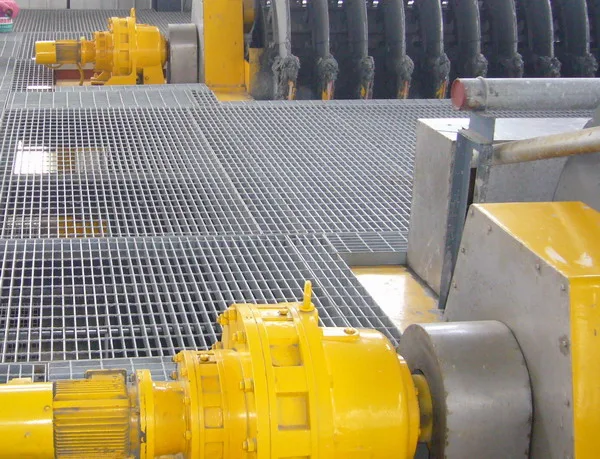
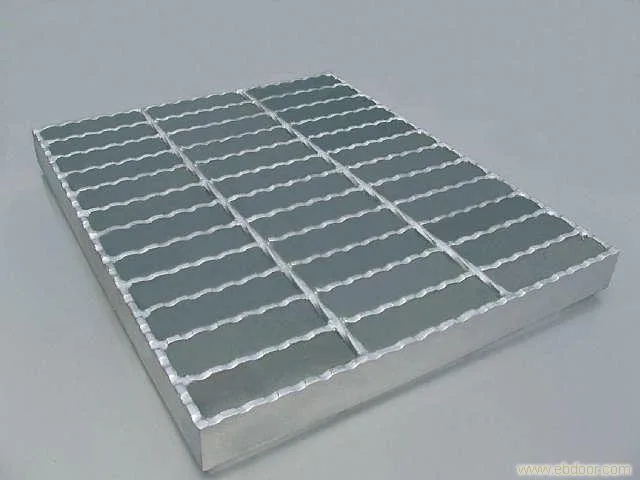
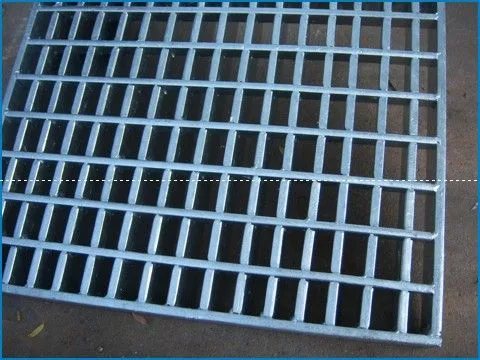
On producing special-shaped steel grating, this article explains item by item, in order: what the key issues are, the applicable standard and inspection, and basic concepts, aiming to give directly applicable judgment methods rather than merely theory. If you have drawings or site dimensions, check them point by point against the notes here; hot-dip galvanized steel grating can follow the same sequence.
What Are the Issues to Note When Producing Special-Shaped Steel Grating
Below we first briefly explain the relevant concepts and basic construction to make the following parameters and sizing content easier to understand.
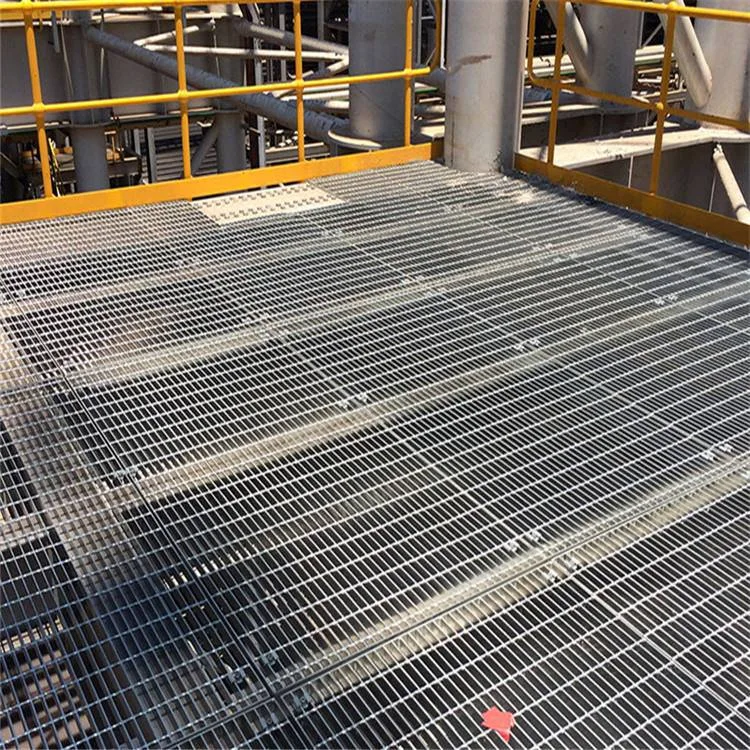
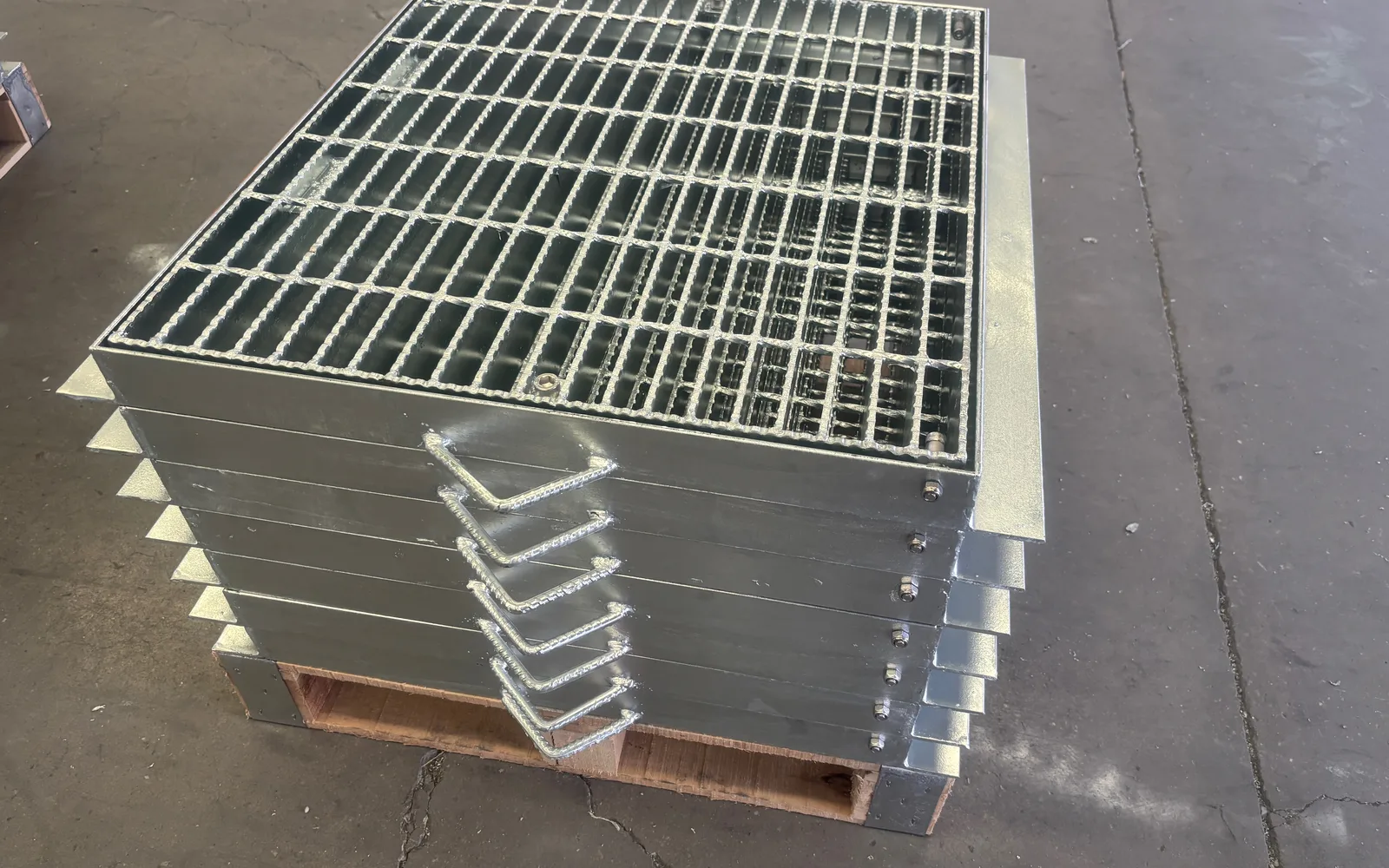
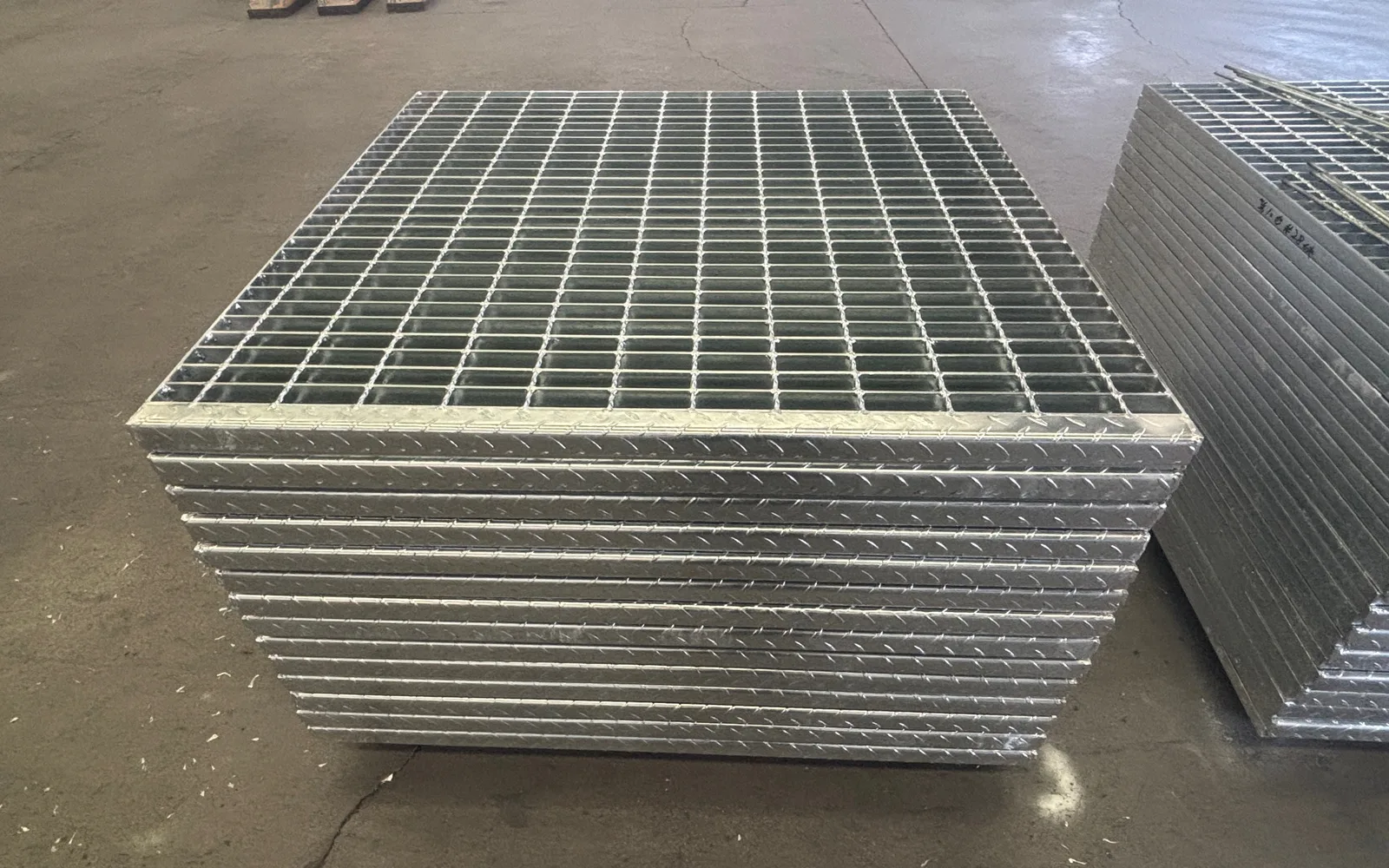
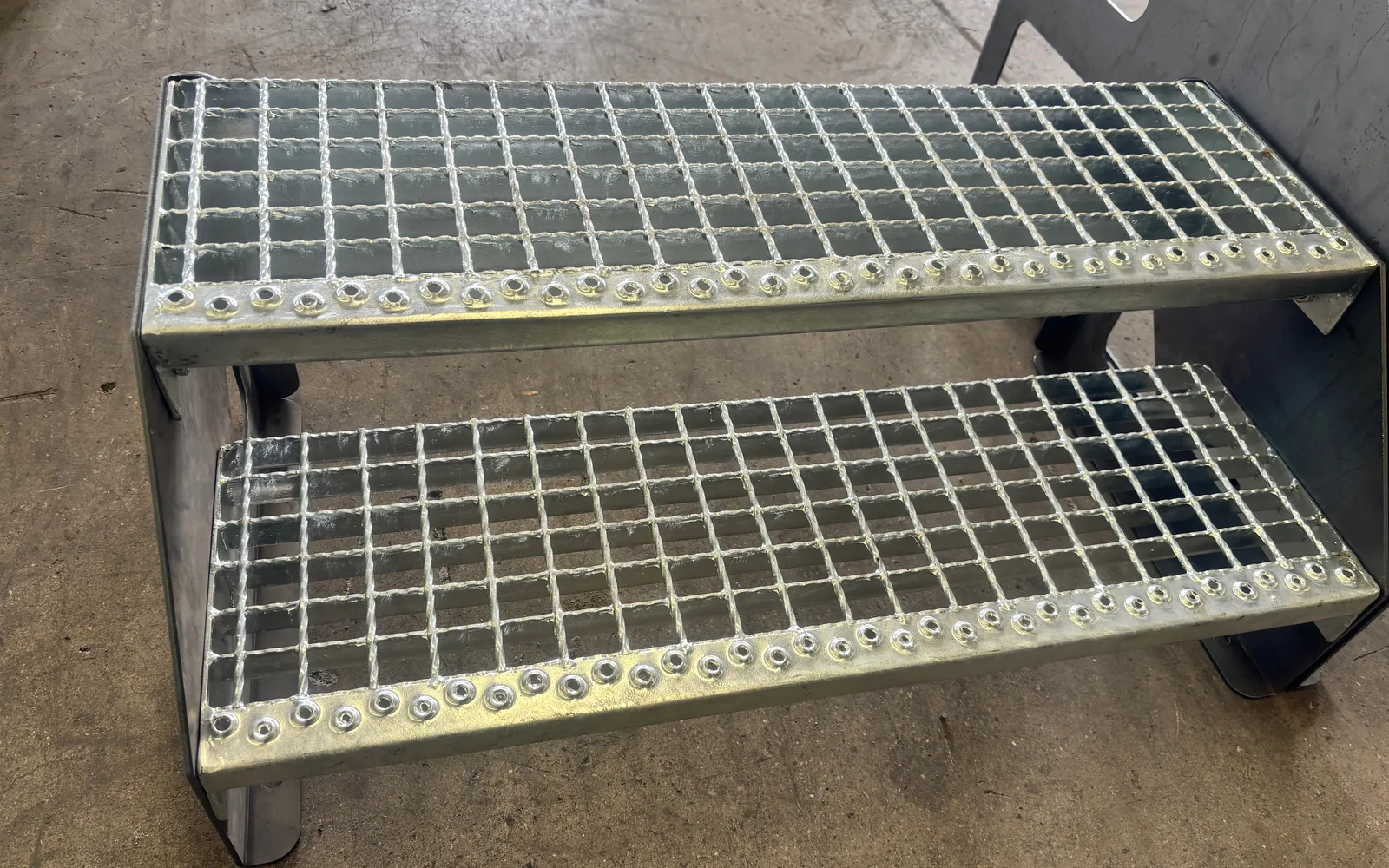
Galvanized steel grating is mainly used for working platforms, but many platforms are not neat rectangles and include many irregular areas. So what needs attention when producing these irregular steel gratings?
Once you grasp these basic concepts, the specifications and sizing recommendations that follow will be much easier to understand.
What is most easily overlooked in specification tables are tolerances and end treatment. Special-shaped steel grating usually has machining allowance in the length direction; if recessed installation is used on site, state the banding and corner-cutting requirements in advance. Hot-dip galvanized steel grating is handled similarly in these details, so mark them clearly on the drawing.
Standards and Inspection
The standards and inspection items to check are as follows:
First, the buyer must supply the site platform drawing or have the manufacturer measure on site. Once the drawing is confirmed, it must be discussed with the buyer to avoid dimensional errors as far as possible.
Second, during production the mold made should be slightly narrower than the measured size for easy installation, but not by too much or the grating will not fit properly; 5mm is the norm for a single piece.
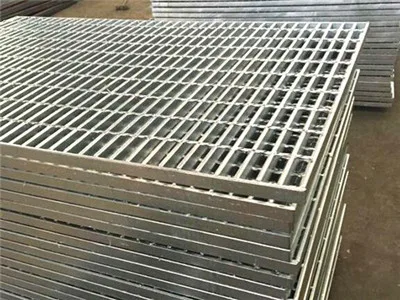
We recommend checking each clause above during acceptance and keeping the factory inspection records.
It should be noted that the specific approach to producing special-shaped steel grating varies with project conditions; what is given here is a general approach rather than a fixed answer. Before execution, confirm the site span, support conditions and traffic requirements, then implement item by item against this section; for hot-dip galvanized steel grating the judgment logic is the same, and a recheck before ordering is still recommended.
Key Points on Issues to Note When Producing Special-Shaped Steel Grating
Then, after production, a trial assembly must be carried out to check whether it matches the drawing. If not, corrections must be made promptly; only once it matches the drawing is it accepted.
From ordering to delivery, the main intermediate steps for special-shaped steel grating are layout confirmation and surface treatment, both taking a relatively fixed time. If the schedule is tight, finalize the layout drawing first so production of hot-dip galvanized steel grating can proceed in parallel.
Standards and Acceptance Requirements for Special-Shaped Steel Grating Production
Finally, production must strictly follow national standards to guarantee the load performance of the grating and eliminate all hazards.
After installation, a full inspection is recommended: panel warping, completeness of fasteners, obvious level differences between adjacent panels. Such issues with special-shaped steel grating are cheapest to fix at acceptance; rework after commissioning is troublesome. Acceptance of hot-dip galvanized steel grating can follow the same standard.
Further notes: Common combinations of hot-dip galvanized steel grating and hot-dip galvanized steel grating
In engineering, hot-dip galvanized steel grating is often used together with the components mentioned in this article. The two differ in load carrying and installation practices; when combining them, pay special attention to the connection of support conditions and fixing methods, as junction treatment is often where problems arise. For unified drawings, submit dimensions of both types and our technicians will process them under the same layout logic.
- For all product specifications and theoretical weights by series, visit Steel Grating Product Center
- To estimate cost by size and quantity, use Instant Quote PageSubmit Requirements
- To see how similar projects were executed, refer to Project Cases field applications
FAQ
What information is needed for custom sizes?
Usually you need to provide the panel dimensions (length x width), bearing bar specs and direction, center-to-center pitch of bearing bars and cross bars, surface treatment, and special requirements such as cutouts, corner notches and banding. Site photos or sketches are even better.
How to choose between hot-dip galvanizing and cold galvanizing?
The two anti-corrosion mechanisms differ: hot-dip galvanizing immerses steel in molten zinc to form a metallurgically bonded coating, thick and long-lasting, suitable for outdoor and humid environments; cold galvanizing is electrochemical deposition with a thinner, more uniform appearance, suitable for dry indoor environments or applications requiring high dimensional precision.
Why do different manufacturers quote different weights for the same specifications?
The main difference lies in the actual measured thickness and tolerance control of the bearing bars. When bars are supplied at the lower tolerance limit, weight per unit area falls below the theoretical value, and load capacity drops accordingly. We recommend specifying thickness tolerance clearly when purchasing.
The above is for sizing and construction reference. To verify specific parameters or request a quotation, please visitInstant Quote Page, or contact our technical staff.
If you already have drawings or site dimensions, submit them directly and we will help verify specifications and layout, avoiding on-site cutting and rework caused by mismatched models. Without drawings, site photos and approximate dimensions are enough for an estimate.