
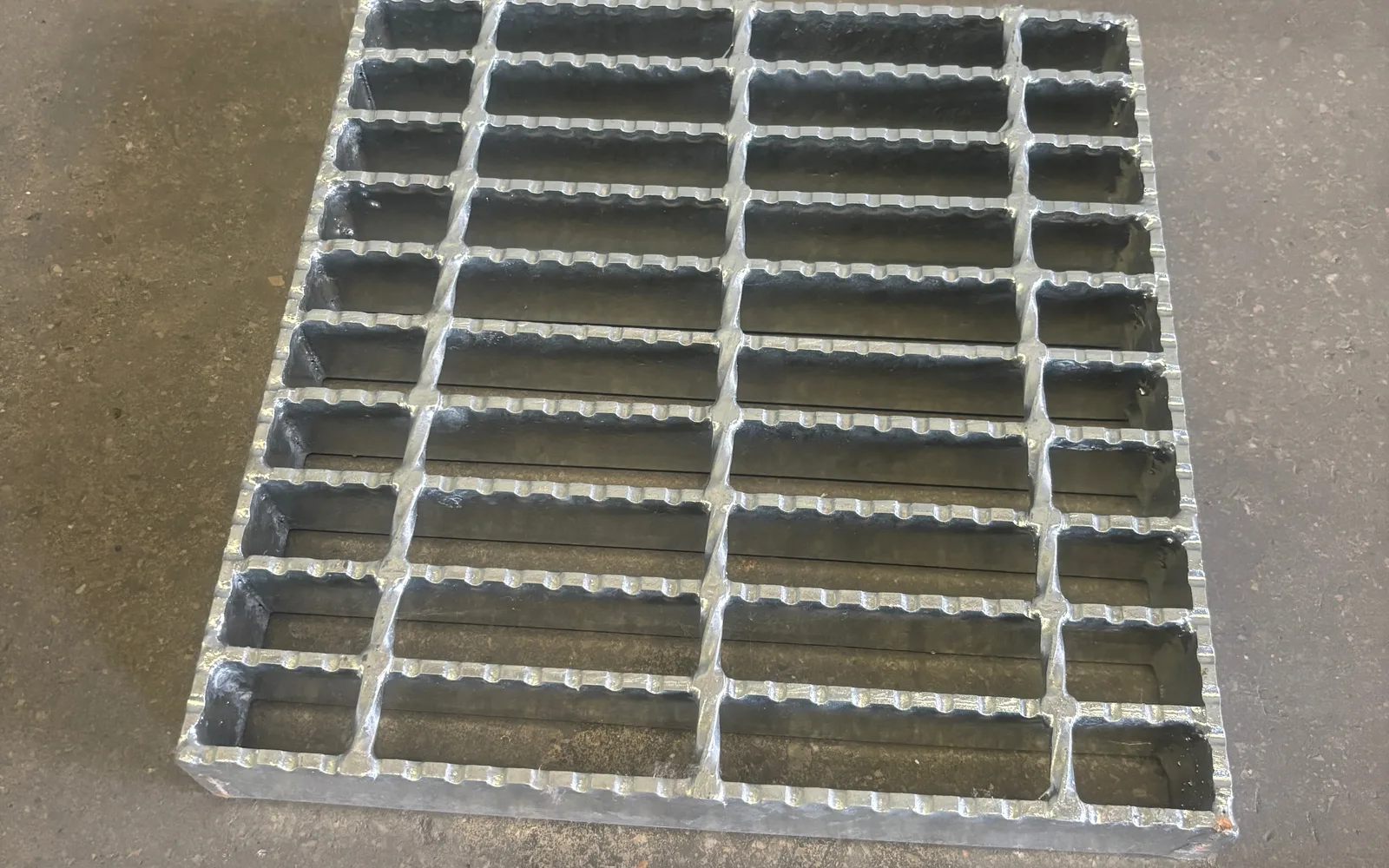
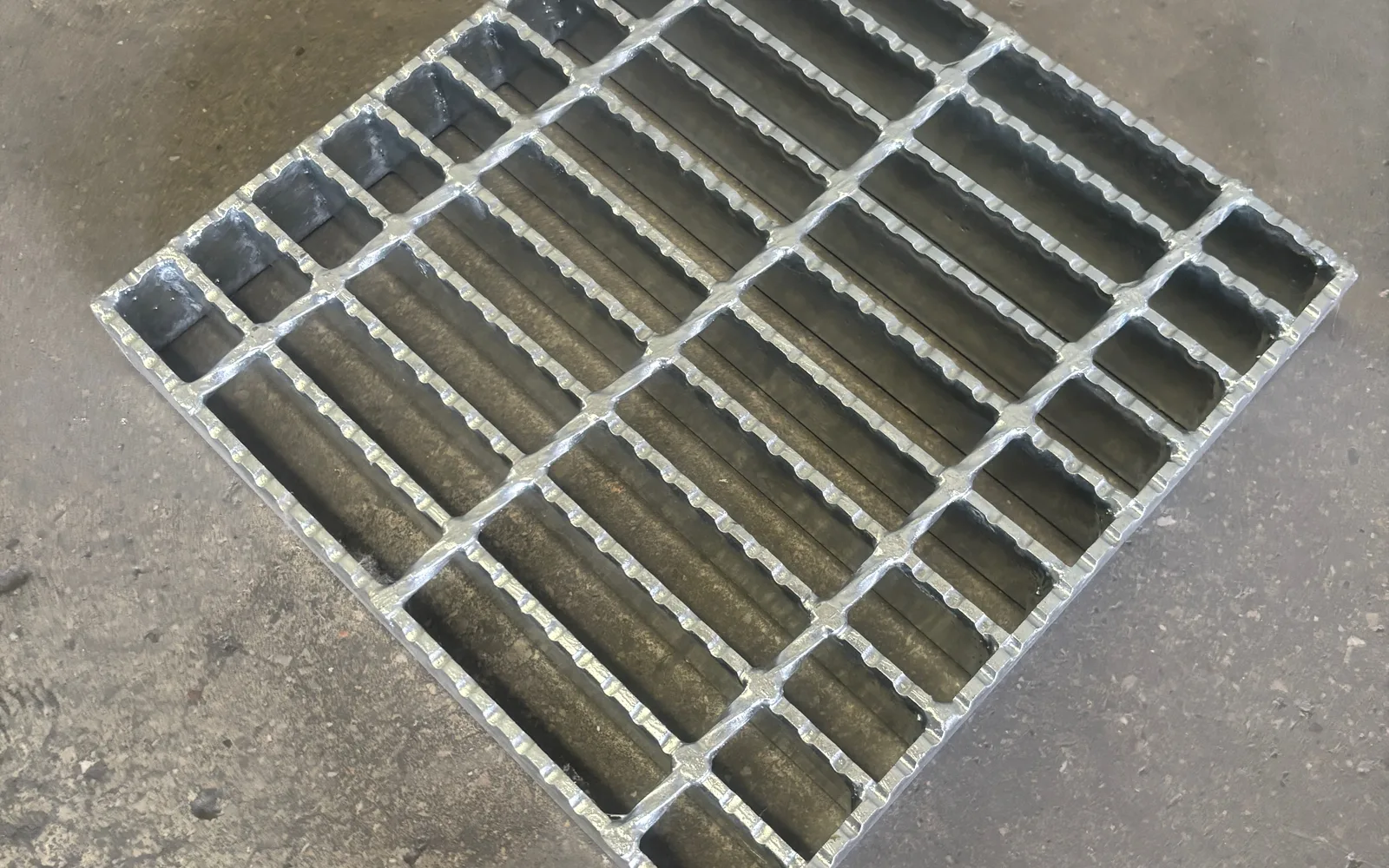
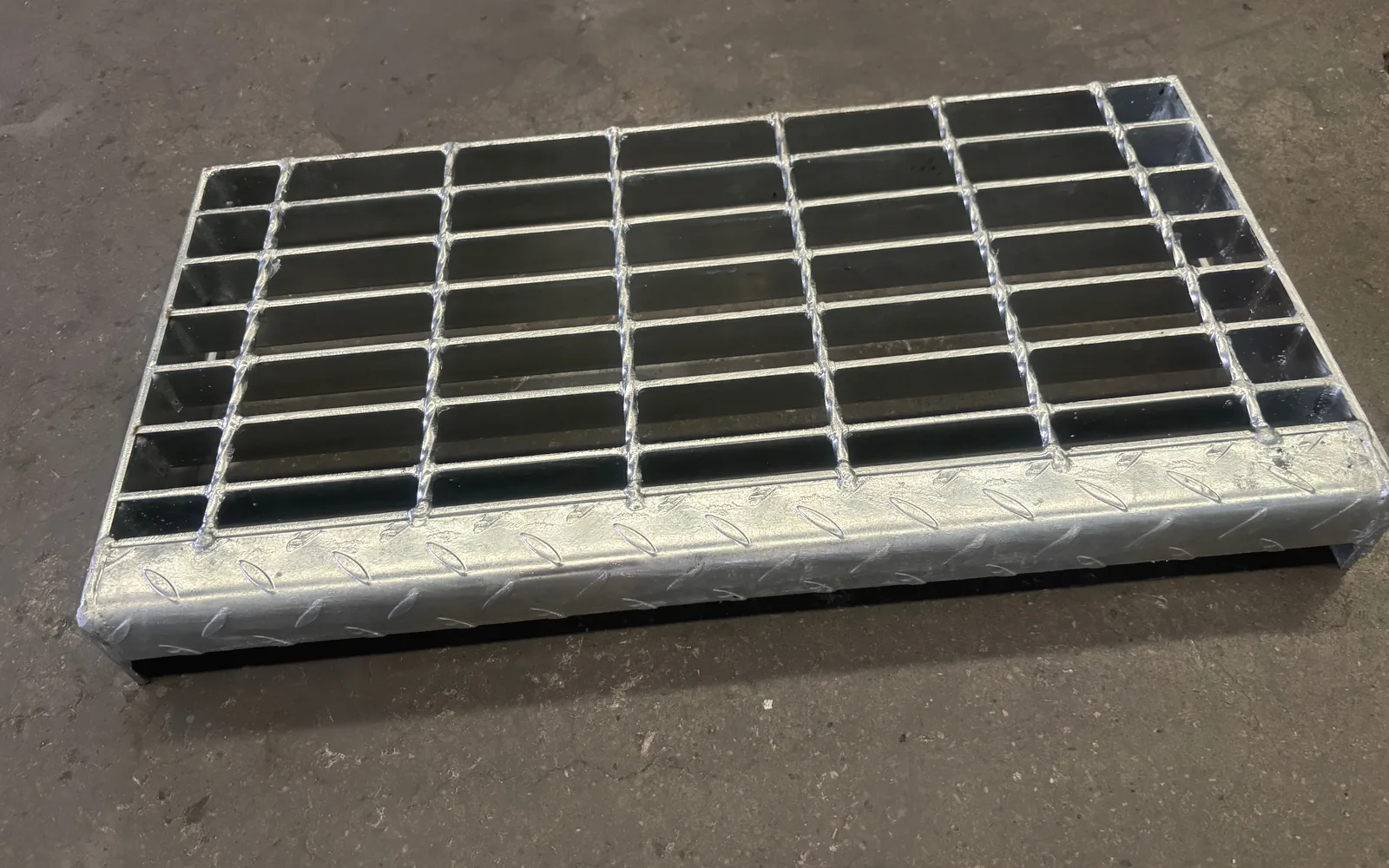




Steel grating is a made-to-drawing product: overall dimensions, bearing bar size, pitch, edge banding and openings can all be set to site conditions. This page explains its structure and common specification forms and gives selection advice for different service environments. For an estimate based on dimensions, you can directly useInstant Quote Page.
Items to Confirm When Selecting Steel Grating
This page does not list a fixed specification table, as such products are usually custom-fabricated to site conditions. We recommend confirming each item in the table above before inquiry: once mismatched with actual site conditions, refabrication is often required later.ProductsCommon specifications are organized by series for reference.
| Items to Confirm | What Needs to Be Clarified | Common Practices |
|---|---|---|
| Span and Support | Clear span between support beams and support surface width | Determine by field-measured dimensions |
| Service Load | Pedestrian, maintenance access or vehicle traffic | Verify by actual traffic type |
| Material Requirements | Carbon steel or stainless steel, grade requirements | Determine by corrosion grade of service environment |
| Dimensions | Panel length and width, whether openings or notches are needed | Custom fabrication per layout drawing |
| Fixing Method | Welded fixing or special clips | Removable covers recommended for positions requiring maintenance |
| Acceptance Requirements | Acceptance Criteria for Flatness, Tolerances and Appearance | Recommended to specify in the technical agreement |
What Is Steel Grating
Steel grating is one specification form in the steel grating product series, and its structural composition, material requirements and processing methods all rest on corresponding standards. Understanding its basic definition and forming principle is the prerequisite for checking parameters and judging applicable conditions; the main aspects are explained below.
Introduction
Once you grasp these basic concepts, the specifications and sizing recommendations that follow will be much easier to understand.
Key Advantages
Compared with traditional solutions, steel grating differs markedly in self-weight, strength, corrosion life and later maintenance cost. In practical selection, the following performance aspects deserve priority comparison:
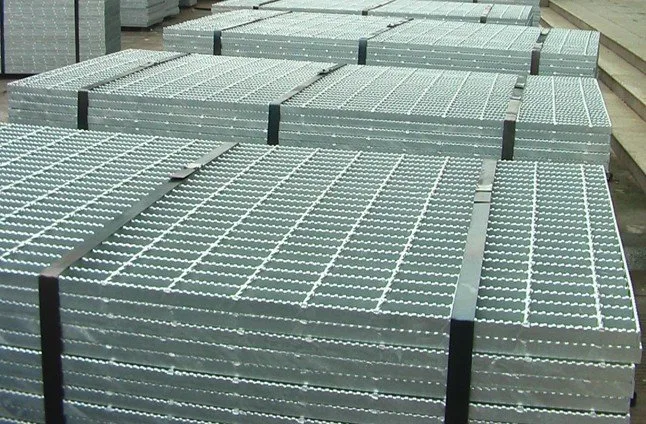
Steel grating is generally made of carbon steel with a hot-dip galvanized surface to prevent oxidation; stainless steel is also available. Steel grating offers ventilation, daylighting, heat dissipation, anti-slip and explosion-proof properties.
Overall, selection should weigh span, load and service environment together.
Steel Grating Specifications
Steel grating is a steel product in which flat bars and cross bars are arranged crosswise at a set pitch and welded by a pressure welding machine or by hand into panels with square mesh openings. Steel grating is mainly used for drainage trench covers, steel structure platform decks and steel stair treads. Cross bars are generally twisted square bars.
Steel Grating Supplementary Notes
Uses
Key Points in Selecting Steel Grating
Confirm each item in the order below during selection to avoid most later rework. Record the conclusion of each step and submit it with your inquiry:
- Step 1 · Define Span and Support Conditions: First measure the clear span between support beams, then confirm the support surface width is sufficient; these two items determine the usable series range.
- Step 2 · Verify Service Load: Check separately for pedestrian, maintenance or vehicular traffic; maintenance and vehicular use differ greatly in bearing bar requirements.
- Step 3 · Determine Material and Surface Treatment: Ordinary carbon steel works for dry indoor environments; hot-dip galvanizing is recommended for outdoor or humid environments; chemical and coastal environments need separate confirmation.
- Step 4 · Confirm Shape and Fixing Method: Including whether cutouts, corner notches and banding are needed, and whether to use welded fixing or special clips.
Once the above conditions are confirmed, proceed to Instant Quote PageEstimate quantities by dimensions, or send the condition list to customer service for model recommendations from our technicians.
Applications of Steel Grating
Steel grating is suitable for alloys, building materials, power stations, boilers, shipbuilding and petrochemicals
Notes on Key Points of Steel Grating
Steel Grating
Steel Grating
Scope of Application & Engineering Fields
, chemical and general industrial plants, municipal construction and other industries, offering ventilation and light transmission, slip resistance, high load capacity, an attractive durable finish, easy cleaning and simple installation. Steel grating has been widely adopted at home and abroad, mainly for industrial platforms, stair treads, handrails, walkway floors, railway bridge side paths, high-level tower platforms, drainage trench covers, manhole covers, road gratings, multi-storey car parks, and fences for institutions, schools, factories, enterprises, sports grounds and garden villas; it is also used for residential exterior windows, balcony guards, and motorway and railway barriers
Comparison of Applicable Working Conditions for Steel Grating
The same specifications last very differently in different environments. The table below gives recommended practices by common service environment for your selection reference:
| Operating Environment | Recommended Practices | Note: |
|---|---|---|
| Outdoor and Open-Air Environments | Hot-dip galvanized surface treatment recommended | Check zinc coating integrity and re-zinc cut edges |
| Chemical or Coastal Environments | Confirm material and anti-corrosion scheme per medium | Avoid galvanic corrosion from direct contact between different metals |
| Vehicle Traffic Areas | Check load class against vehicle types | Note that bearing bars must run parallel to traffic direction |
| Pedestrian and Maintenance Walkways | Choose standard series, balancing walking comfort | Focus on surface flatness and end banding |
| High-Temperature or Large Temperature-Difference Environments | Select material and connection method by temperature | Watch for loosening caused by thermal expansion and contraction |
| Temporary or Short-Term Use | Can be configured with the light-duty series | For short schedules, prioritize easy disassembly and turnover |
Custom Fabrication & Quotation
Common specifications are usually in stock; lead times for shaped parts and bulk orders are determined by specification and production scheduling. For projects needing site measurement and layout design, provide photos and dimensions and we will assist with drawings to reduce on-site cutting. For practices on similar projects, seeProject Cases, for model comparison see Products.
FAQ
What Are the Common Specifications of Steel Grating?
Common specifications are determined by combinations of bearing bar width and thickness, bearing bar pitch, and cross bar pitch; different combinations correspond to different load capacities and theoretical weights. Our Products section lists common models by series; you can also send span and load requirements to customer service for sizing help.
Which surface treatment should I choose?
Hot-dip galvanizing is recommended for outdoor or humid environments; for dry indoor environments, untreated or painted is fine; coastal, chemical and other strongly corrosive environments need thicker zinc coatings or stainless steel, depending on the expected service life.
What mistakes are easy to make during installation?
Three main points: first, bearing bars installed in the wrong direction so loads are carried by cross bars; second, insufficient or missing fixing points; third, welding slag not removed and zinc-rich paint not reapplied after welding. These three cause the most on-site problems.
The above covers the main specifications and selection points for steel grating. To determine a specific model based on on-site span and load, you canInstant Quote PageQuick estimation, or contact customer service directly for sizing advice and layout drawings.