







Many projects focus only on price when purchasing hot-dip galvanized steel grating, ignoring specification matching and anti-corrosion requirements, which often leads to rework later. This article lists the conditions to confirm in order - how to handle missed coating, material and anti-corrosion requirements, and basic concepts - and explains how to choose for common working conditions. The parts relating to hot-dip galvanized steel grating can be used directly as a technical briefing reference.
Selection and Purchasing Advice on Repairing Missed Coating on Hot-Dip Galvanized Steel Grating
Items to confirm before procurement are as follows:
Hot-Dip Galvanized Steel Grating: How to Repair Missed Coating?
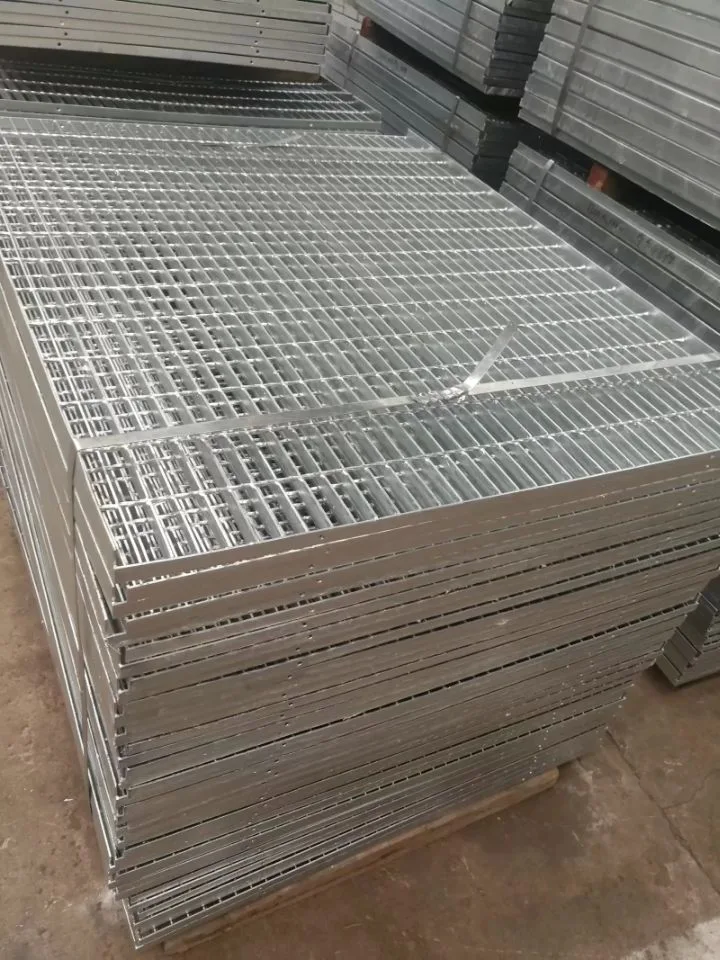
Placing the order after confirming these items effectively avoids specification mismatch and on-site rework.
Actual parameters of the same model may vary slightly between manufacturers; acceptance shall be based on measured values. We recommend sampling key dimensions of hot-dip galvanized steel grating, especially for bulk deliveries. Corresponding parameters of hot-dip galvanized steel grating can be checked the same way; communicate promptly if deviations are found.
Material and Anti-Corrosion Requirements
Common materials and surface treatments are as follows:
Steel grating is generally hot-dip galvanized after production for rust protection, and galvanized grating has strong corrosion resistance and a long service life. However, missed coating spots can appear during hot-dip galvanizing.
Once missed coating is found, the usual method is to cover the area with another anti-corrosion material. The GB/T13912-2002 hot-dip galvanizing standard also explicitly states that "the area of each missed coating surface shall not exceed 10cm",
Once material and surface treatment are decided, we recommend writing zinc coating thickness and appearance requirements into the technical agreement.
For material selection, we do not recommend simply chasing high grades. The material of hot-dip galvanized steel grating should match load requirements and service environment; over-specifying causes unnecessary cost increases. For the corresponding treatment of hot-dip galvanized steel grating, refer to the product page and choose according to actual working conditions.
The repair process for missed coating is roughly as follows
First polish the missed area with coarse sandpaper, then with fine sandpaper until the natural color of the steel is fully exposed. Then spray with silver aerosol paint and zinc-rich aerosol paint, and allow to dry; repeat spraying until the coating is complete and dry.
Common repair materials include aluminum powder paint, silver aerosol paint and zinc-rich aerosol paint. Zinc-rich aerosol paint is recommended for repairing missed coating on steel grating: it costs about the same as ordinary paint but contains up to 36% zinc, making it an ideal product for repairing hot-dip galvanizing misses.
Material and surface treatment determine the on-site durability of hot-dip galvanized steel grating. For the same steel grating, the treatment differs greatly between dry indoor use and coastal or chemical environments; service environment should be raised as the primary condition in selection. The same applies to hot-dip galvanized steel grating.
Service Characteristics of Platform Steel Grating in Power Plants and Wastewater Treatment Plants
In power plants and wastewater treatment plants, steel grating is made to the customer's required standard from flat bearing bars and hot-dip galvanized. It resists oxidation and offers good corrosion resistance; in these plants the grating also provides good ventilation, light transmission, heat dissipation, slip resistance and explosion-proof performance. Drainage is excellent: in rain or snow, water passes quickly into the wastewater basin. It has high load capacity and good slip resistance.
Regarding corrosion protection, one thing is easily overlooked: on-site cutting and welding damage the original coating, and these areas need zinc touch-up after construction, otherwise rust often starts from the cut edges. Hot-dip galvanized steel grating has the same issue; it is best to include this in the technical requirements at the construction disclosure.
Further Reading: Common Combinations of Hot-Dip Galvanized Steel Grating
Hot-dip galvanized steel grating and hot-dip galvanized steel bar grating are different specification forms within the same product system, and the selection logic matches what is described here: first consider the nature of use, then fix the specification by span and load, and finally choose the surface treatment by environment. The two may differ in corrosion and slip-resistance requirements, so specify them separately before ordering rather than lumping them under one generic technical requirement.
- For all product specifications and theoretical weights by series, visit Steel Grating Product Center
- To estimate cost by size and quantity, use Instant Quote PageSubmit Requirements
- To see how similar projects were executed, refer to Project Cases field applications
FAQ
Where can I find specific specifications?
our websiteProductsCommon specifications and theoretical weights are organized by series, also available in Instant Quote PageEstimate by size, or contact us directly for sizing advice.
Can the values in the article be applied directly?
Values in this article come from relevant standard clauses or common industry practice. For actual selection, recalculate based on site span, load class and service environment; direct copying is not recommended.
Why do different manufacturers quote different weights for the same specifications?
The main difference lies in the actual measured thickness and tolerance control of the bearing bars. When bars are supplied at the lower tolerance limit, weight per unit area falls below the theoretical value, and load capacity drops accordingly. We recommend specifying thickness tolerance clearly when purchasing.
The above is for sizing and construction reference. To verify specific parameters or request a quotation, please visitInstant Quote Page, or contact our technical staff.
The above is general guidance. For a specific project, we still recommend submitting span, load class and service environment to our technicians for review. Steel grating is a load-bearing component; rework caused by wrong specification choices costs far more than the time spent on upfront calculation.