
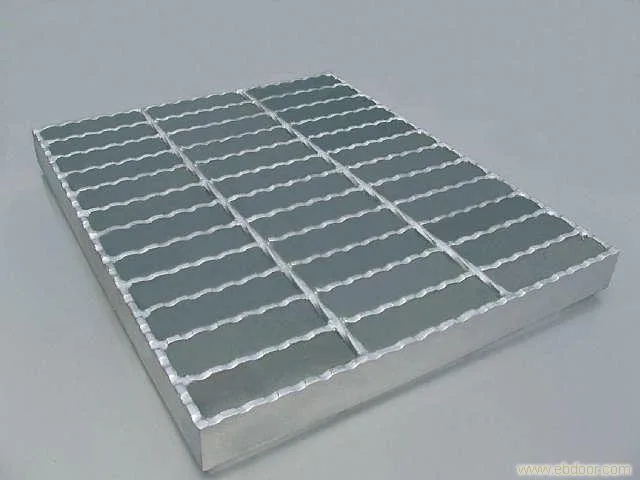
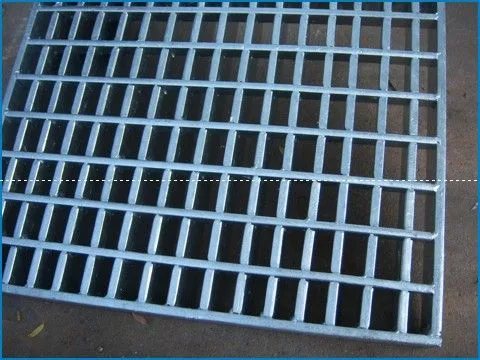
Many projects purchase hot-dip galvanized steel grating based on price alone, overlooking specification matching and corrosion protection requirements, which often leads to rework later. This article lists, in order, the hot-dip galvanizing technology of hot-dip galvanized steel grating, typical application scenarios, and the conditions to confirm during selection, and explains how to choose for common working conditions. Content related to hot-dip galvanized steel grating can be used directly as a reference for technical disclosure.
Material and Surface Treatment in Hot-Dip Galvanizing Requirements
Common materials and surface treatments are as follows:
As a new material, steel grating is widely used in various fields, and hot-dip galvanizing surface treatment gives it exceptional corrosion resistance. So what are the specific requirements for hot-dip galvanizing steel grating?
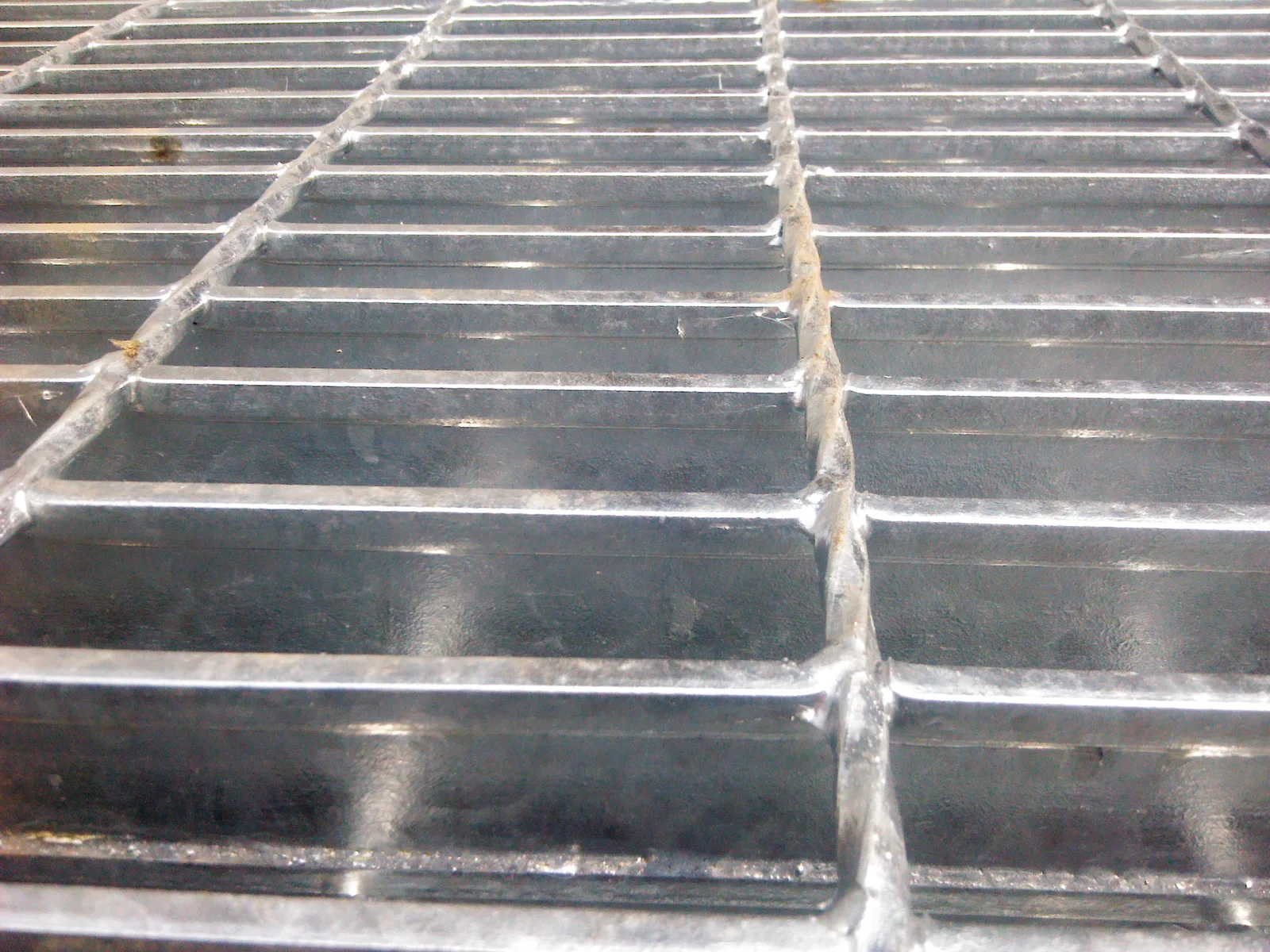
- Before hot-dip galvanizing, the component surface of the steel grating should be treated to ensure the metal surface is clean. Pickling can be used for surface cleaning, but over-pickling should be avoided. Surface grease that cannot be washed off, such as carbon films, oil stains, paint, and welding slag, should be removed before pickling.
- Before hot-dip galvanizing, the component surface of the steel grating should be kept dry, with no residual aqueous solution or other moisture.
- The zinc bath used for hot-dip galvanizing should mainly consist of molten zinc; the total content of impurities in the molten zinc (excluding iron and tin) should not exceed 1.5% of the total mass.
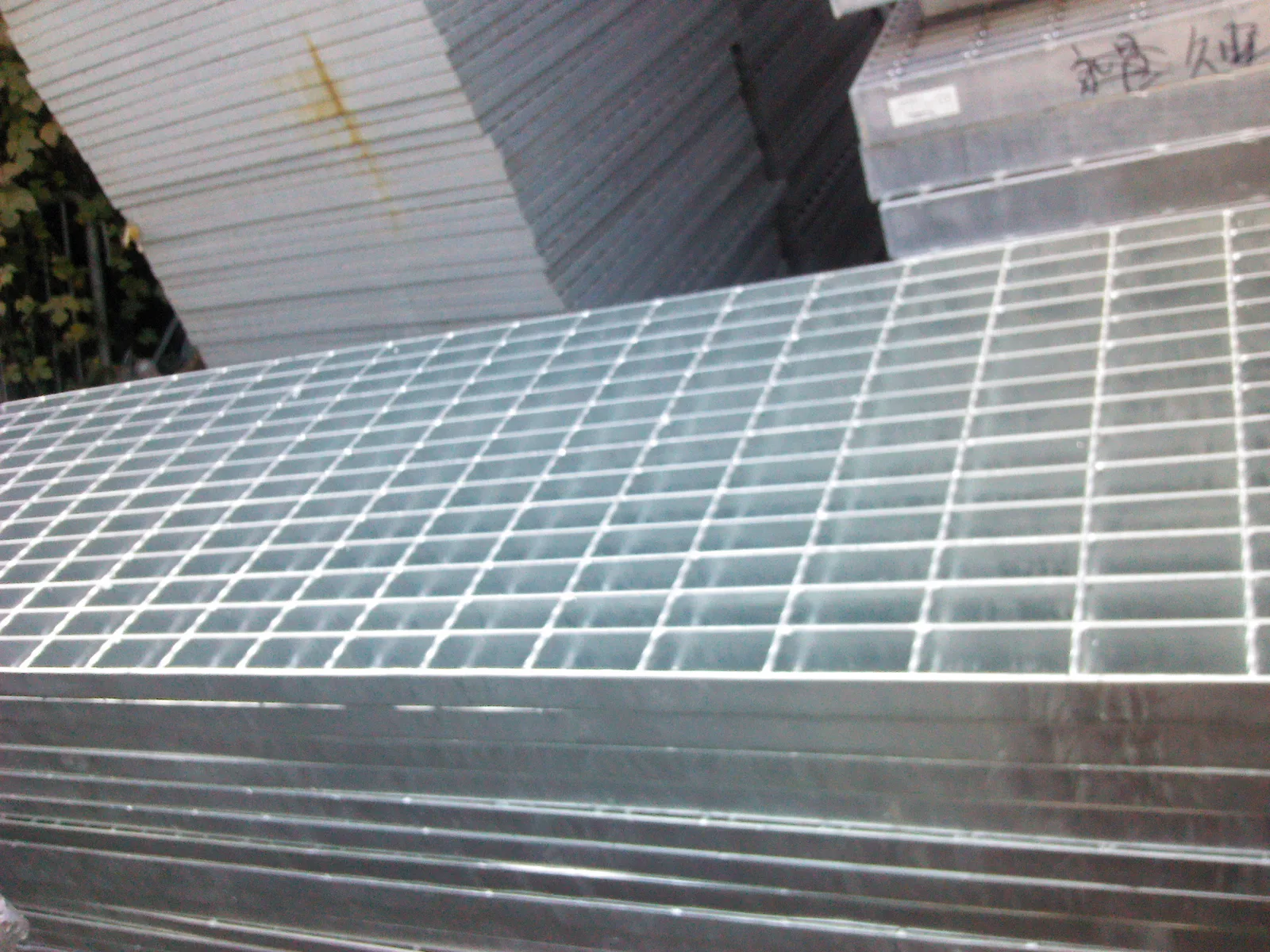
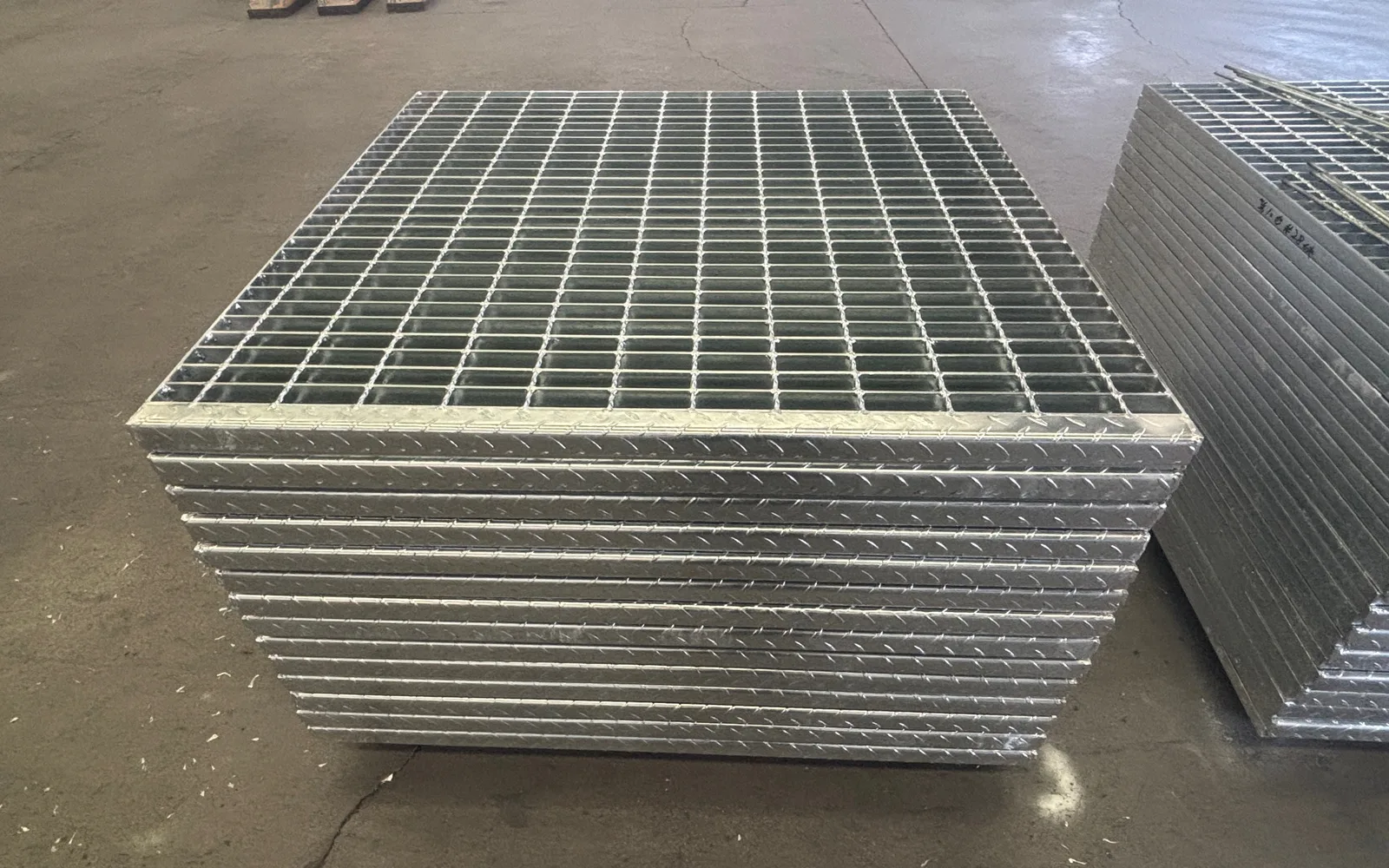
- After hot-dip galvanizing, the surface of the steel grating should be smooth, free of runs, roughness and zinc spikes, free of peeling, and free of residual solution dross.
- When the bearing flat bar thickness is not less than 5 mm, the average zinc coating weight after galvanizing should be not less than 610 g/m2 and the average thickness not less than 85 um; when the bearing flat bar thickness is less than 5 mm, the average zinc coating weight after galvanizing should be not less than 460 g/m2 and the average thickness not less than 65 um; for centrifuged coatings, the zinc coating weight should be not less than 395 g/m2 and the average thickness not less than 55 um. The quality and requirements after galvanizing should comply with GB/T 13912-2002.
- After hot-dip galvanizing, steel grating panels should not be stacked together while the surface is still hot and wet. After being taken out of the galvanizing zinc bath, excess zinc on the steel grating should be immediately removed by centrifugal spinning or blasting.
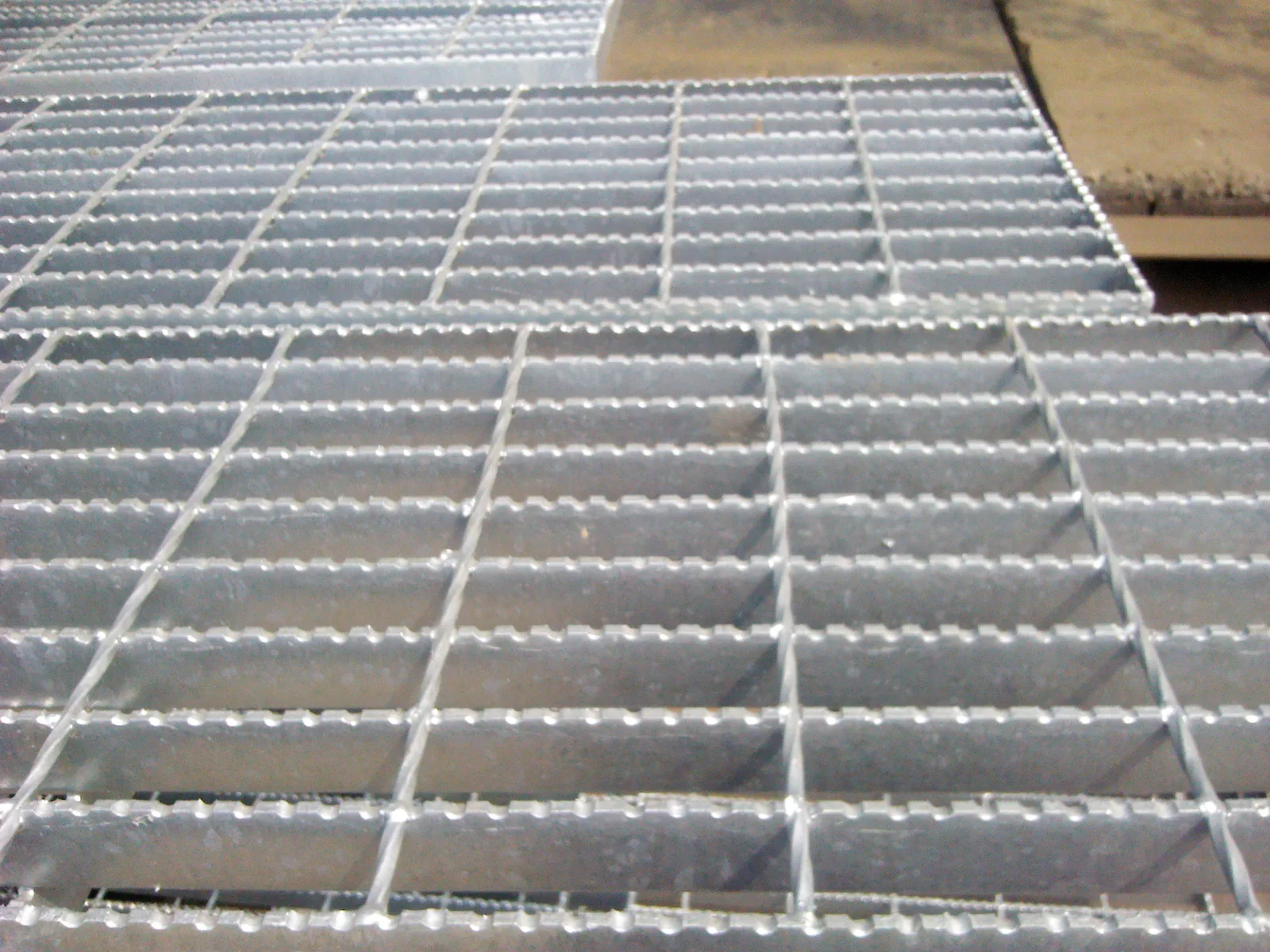
7. After hot-dip galvanizing, the total area of ungalvanized surfaces on each steel grating panel should not exceed 0.5% of the total area, and each ungalvanized area should not exceed 10 cm2. If the ungalvanized area is greater than the above values, that panel should be re-galvanized.
8. After hot-dip galvanizing, if ungalvanized areas exist, they should be repaired by thermal sprayed zinc, zinc-rich coating, or fused zinc alloy, with specific methods referring to GB/T 13912-2002. The repair layer should provide sacrificial anode protection to the steel during the service life of the steel grating. Before repair, oxide scale and other contaminants in the ungalvanized areas should be removed to ensure adhesion between the repair layer and the substrate.
Once material and surface treatment are decided, we recommend writing zinc coating thickness and appearance requirements into the technical agreement.
For material selection, we do not recommend simply chasing high grades. The material of hot-dip galvanized steel grating should match load requirements and service environment; over-specifying causes unnecessary cost increases. For the corresponding treatment of hot-dip galvanized steel grating, refer to the product page and choose according to actual working conditions.
Typical Applications
Main applications are as follows:
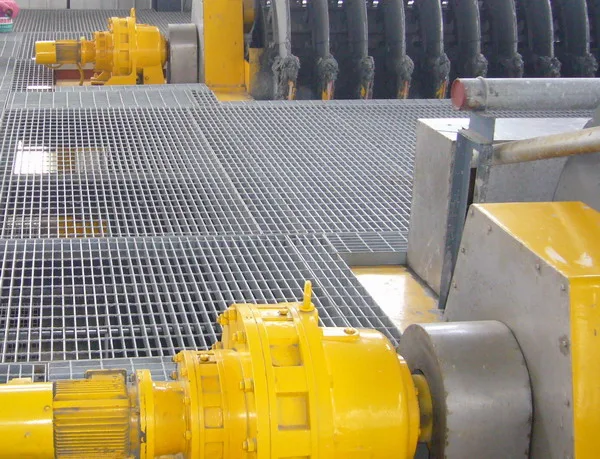
- Industrial Platforms & Maintenance Walkways: equipment platforms and inspection passages in power plants, chemical plants and steel-structure workshops;
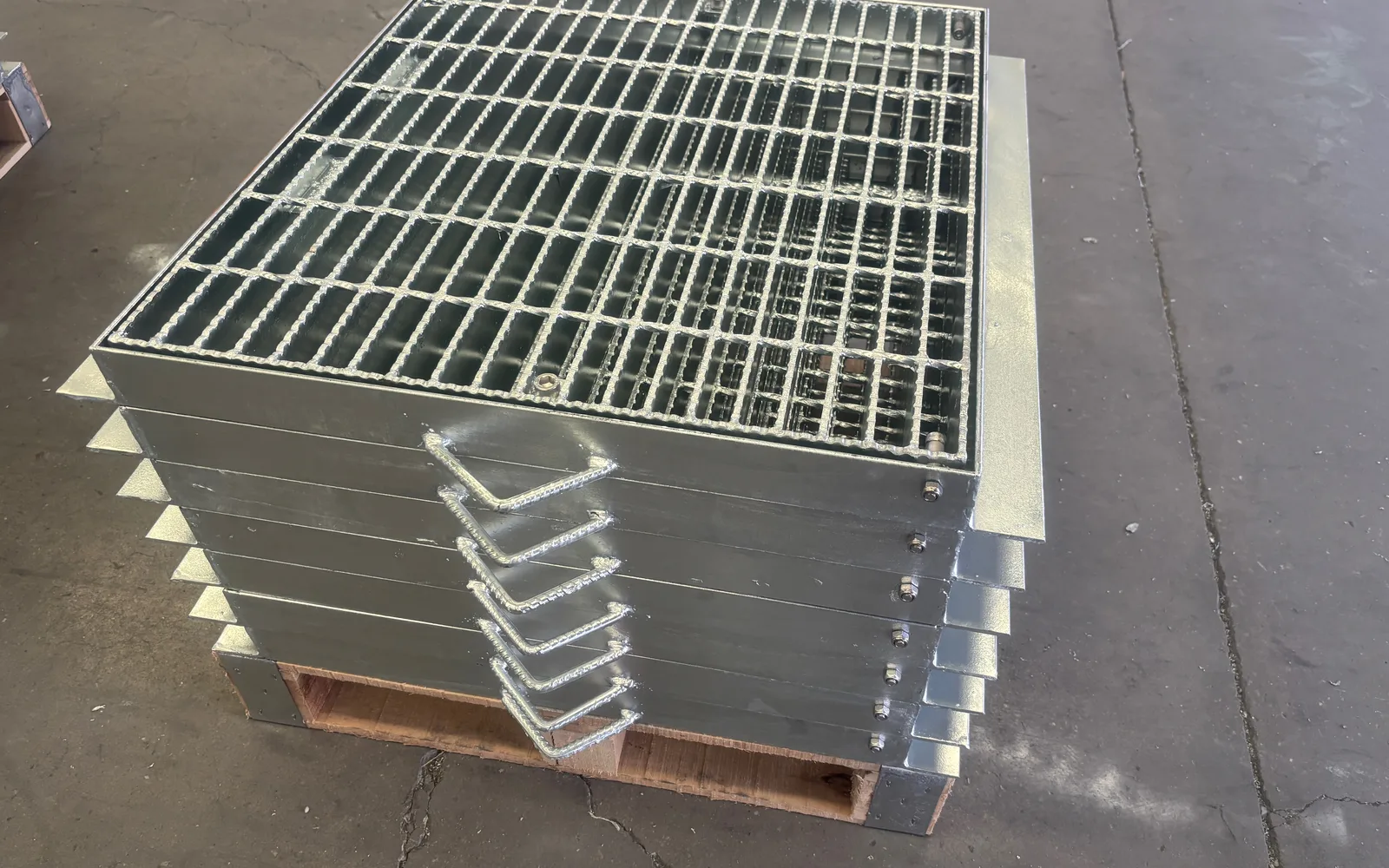
- Municipal & Landscape: road drainage trench covers, rainwater grates, tree grates, park boardwalks;
- Transportation & Ports: wharf trestles, multi-story parking garage lanes, railway bridge walkways;
- Environmental & Water Treatment: walkways in wastewater treatment plants, tank platforms, screening machine platforms;
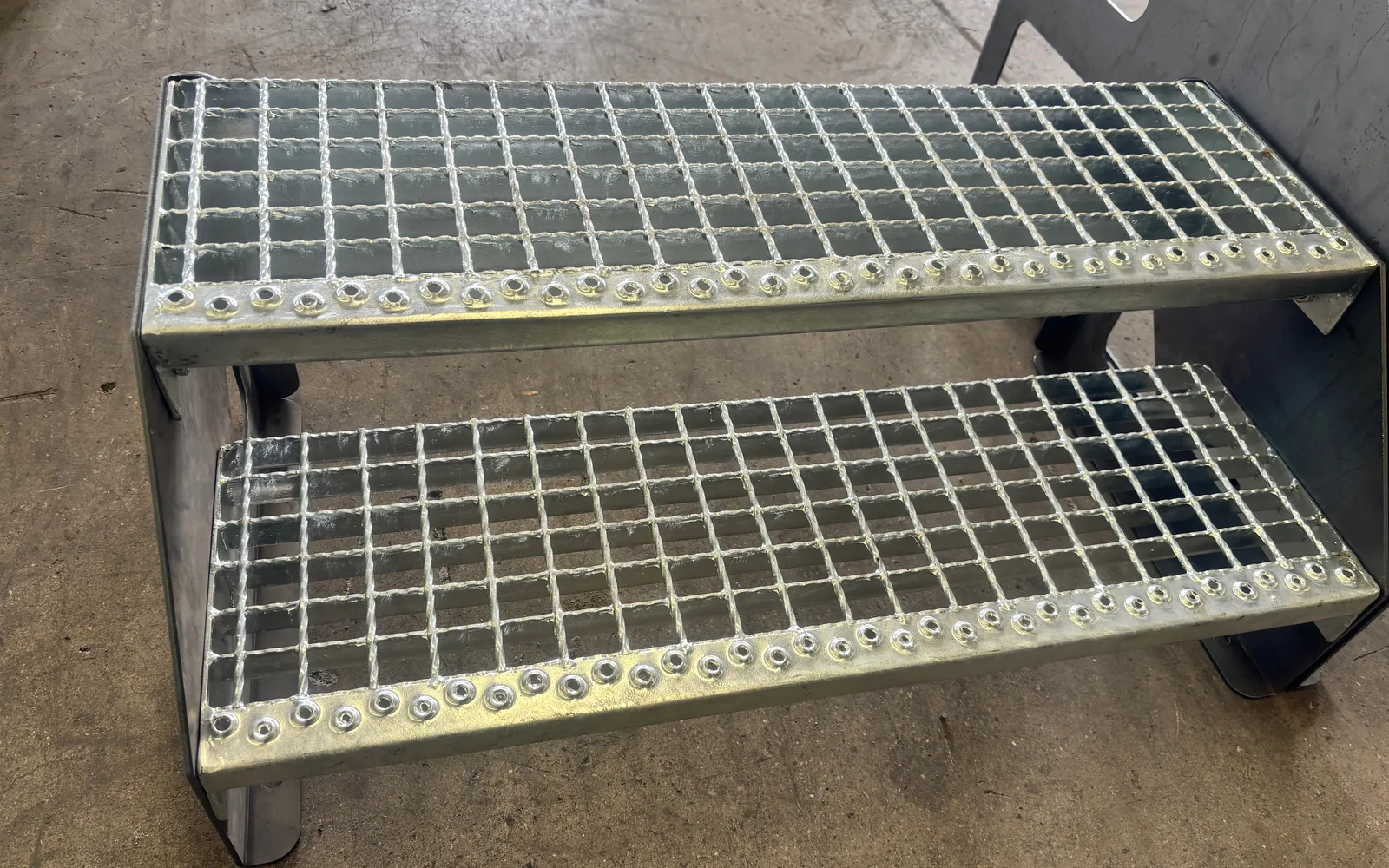
- Others: elevated tower platforms, stair treads, fences and railings, etc.
If your working conditions fall outside the above range, you can provide site photos and dimensions, and our technicians will help assess them.
Different application scenarios place different emphases on hot-dip galvanized steel grating: pedestrian walkways value anti-slip and comfort, vehicle areas value panel stiffness and fixing reliability, and drainage trench covers value flow area and anti-theft. Clarify the usage first, then look at specifications, to avoid detours; the same approach applies to hot-dip galvanized steel grating.
Key Conditions to Confirm During Selection
Items to confirm before procurement are as follows:
- First clarify the span and support beam spacing to determine the required series;
- Then check load requirements by usage type (pedestrian, maintenance, vehicular);
- Finally, determine the surface treatment by service environment (dry indoor, outdoor, coastal, chemical).
Placing the order after confirming these items effectively avoids specification mismatch and on-site rework.
Actual parameters of the same model may vary slightly between manufacturers; acceptance shall be based on measured values. We recommend sampling key dimensions of hot-dip galvanized steel grating, especially for bulk deliveries. Corresponding parameters of hot-dip galvanized steel grating can be checked the same way; communicate promptly if deviations are found.
Further Reading: Key Points for Selecting Hot-Dip Galvanized Steel Grating
Hot-dip galvanized steel grating products are different specification forms within the same product system, and the selection logic is consistent with this article: first clarify the usage, then determine specifications by span and load, and finally determine surface treatment by environment. The two may differ in corrosion and anti-slip requirements; it is advisable to note them separately before ordering rather than writing them as one general technical requirement.
- For all product specifications and theoretical weights by series, visit Steel Grating Product Center
- To estimate cost by size and quantity, use Instant Quote PageSubmit Requirements
- To see how similar projects were executed, refer to Project Cases field applications
FAQ
What information is needed for custom sizes?
Usually you need to provide the panel dimensions (length x width), bearing bar specs and direction, center-to-center pitch of bearing bars and cross bars, surface treatment, and special requirements such as cutouts, corner notches and banding. Site photos or sketches are even better.
Can the values in the article be applied directly?
Values in this article come from relevant standard clauses or common industry practice. For actual selection, recalculate based on site span, load class and service environment; direct copying is not recommended.
Why do different manufacturers quote different weights for the same specifications?
The main difference lies in the actual measured thickness and tolerance control of the bearing bars. When bars are supplied at the lower tolerance limit, weight per unit area falls below the theoretical value, and load capacity drops accordingly. We recommend specifying thickness tolerance clearly when purchasing.
The above is for sizing and construction reference. To verify specific parameters or request a quotation, please visitInstant Quote Page, or contact our technical staff.
If you already have drawings or site dimensions, submit them directly and we will help verify specifications and layout, avoiding on-site cutting and rework caused by mismatched models. Without drawings, site photos and approximate dimensions are enough for an estimate.