




Compound steel grating is a widely used steel grating product in industrial and municipal engineering, and steel cover plate is a common name for the matching or same series. This page explains specification reading, material and surface treatment, applicable working conditions, installation and fixing, customization and quotation item by item. If you already have drawings or on-site dimensions, you can check them directly against the entries here, or go toInstant Quote Page to estimate quantities.
Items to Confirm When Selecting Compound Steel Grating
This page does not list a fixed specification table, as such products are usually custom-fabricated to site conditions. We recommend confirming each item in the table above before inquiry: once mismatched with actual site conditions, refabrication is often required later.ProductsCommon specifications are organized by series for reference.
| Items to Confirm | What Needs to Be Clarified | Common Practices |
|---|---|---|
| Span and Support | Clear span between support beams and support surface width | Determine by field-measured dimensions |
| Service Load | Pedestrian, maintenance access or vehicle traffic | Verify by actual traffic type |
| Material Requirements | Carbon steel or stainless steel, grade requirements | Determine by corrosion grade of service environment |
| Dimensions | Panel length and width, whether openings or notches are needed | Custom fabrication per layout drawing |
| End Treatment | Whether banding or end plates are needed | Banding recommended for open edges |
| Acceptance Requirements | Acceptance Criteria for Flatness, Tolerances and Appearance | Recommended to specify in the technical agreement |
Compound Steel Grating
The points related to compound steel grating are explained further below from a practical application perspective:
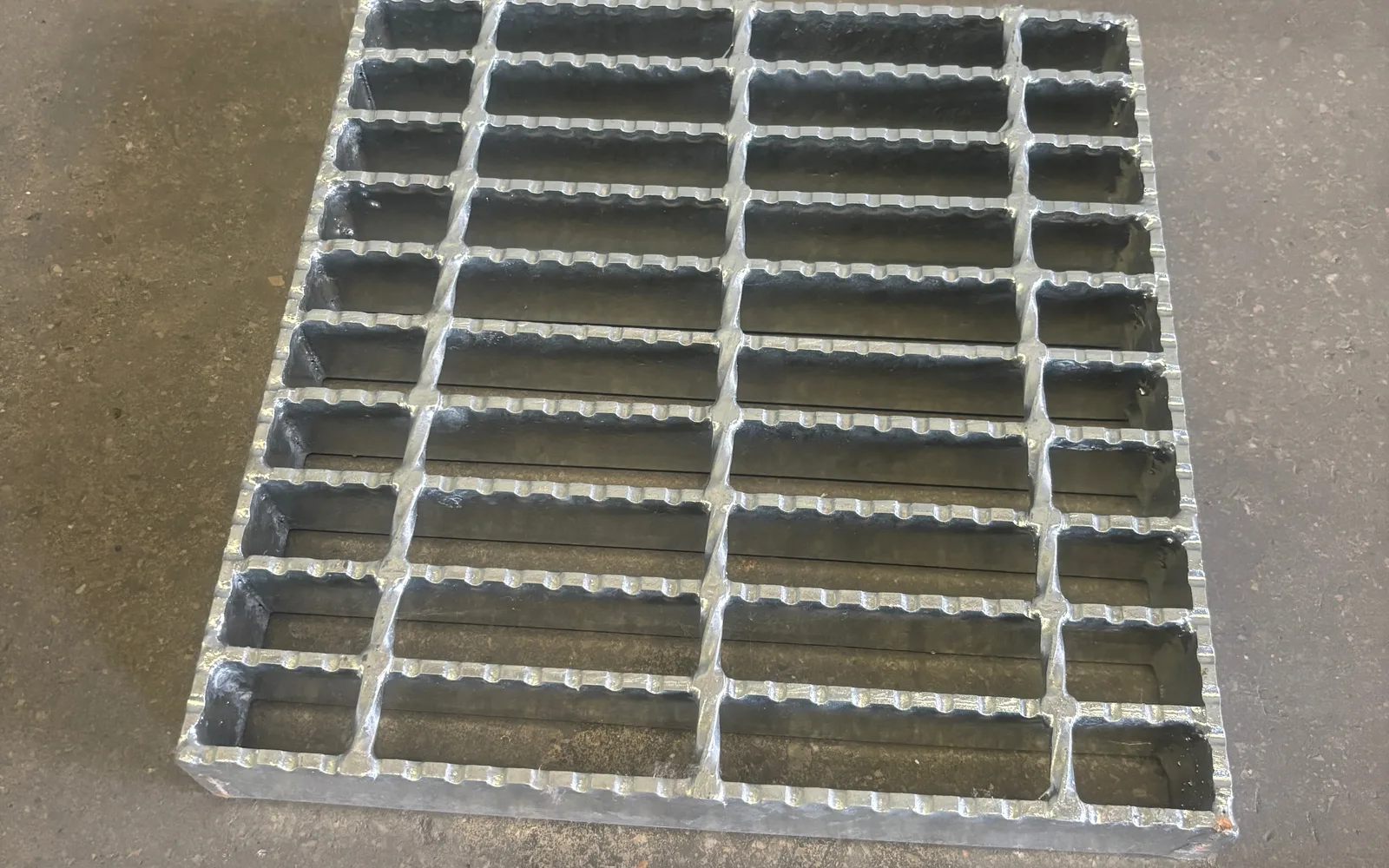
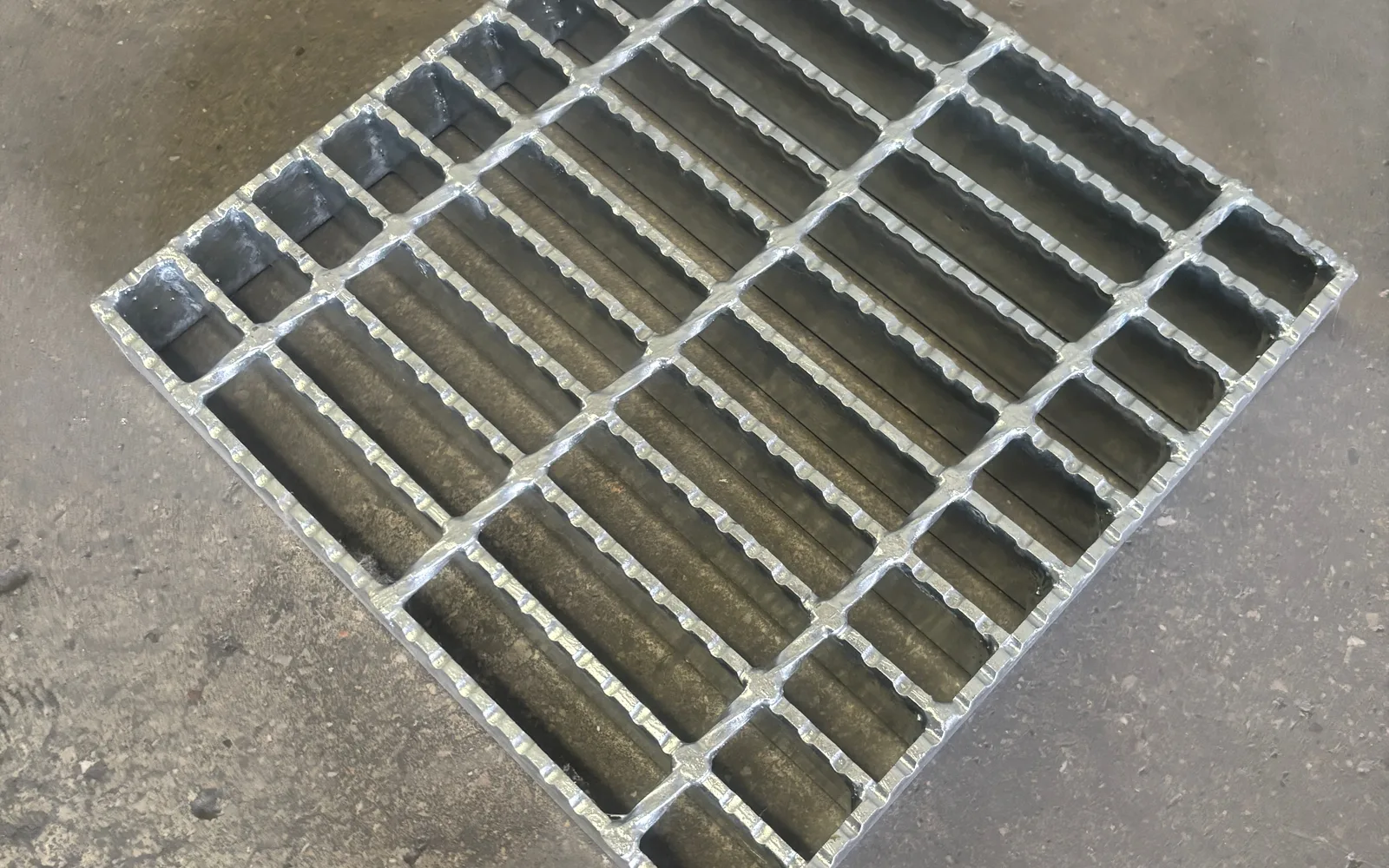
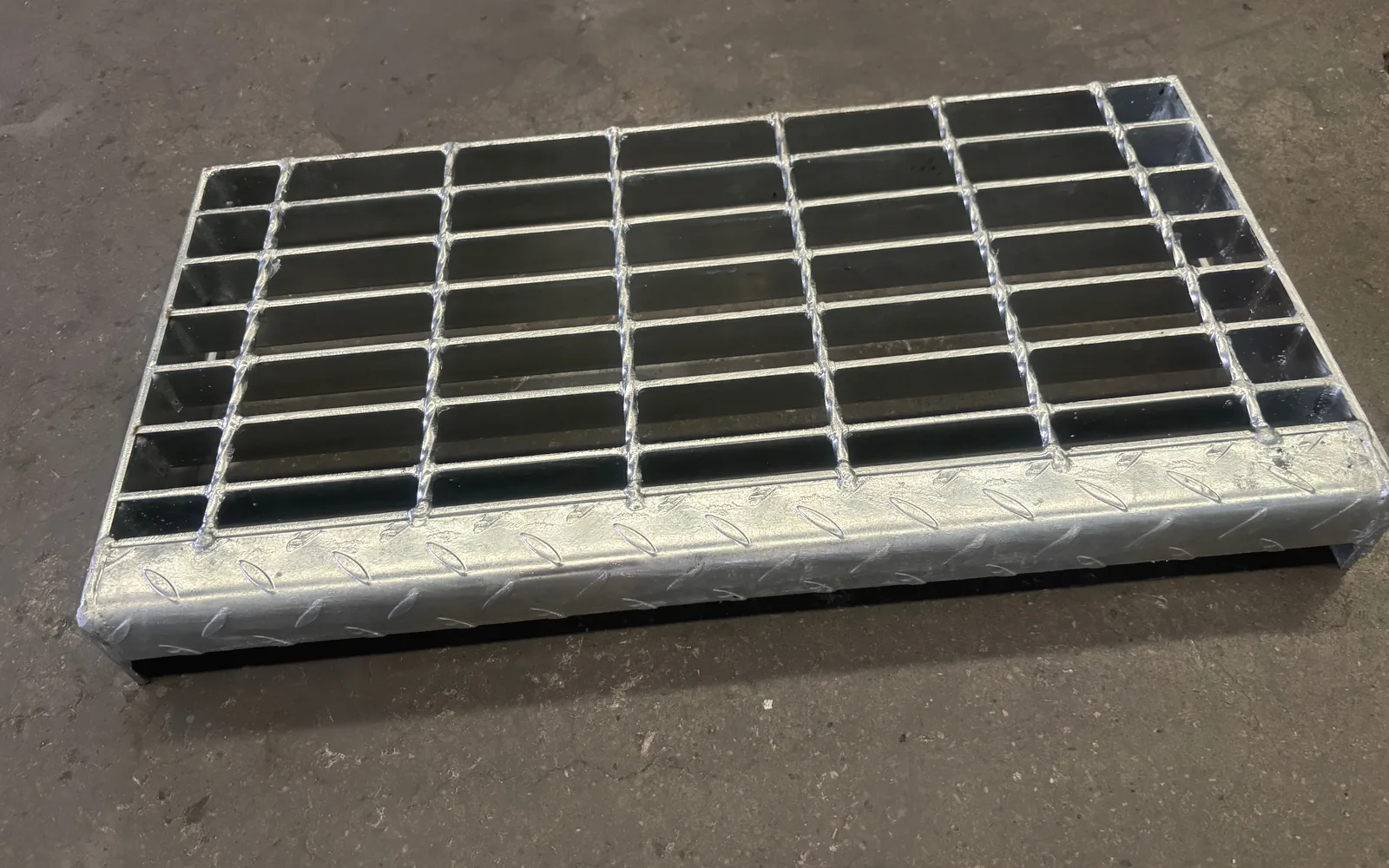
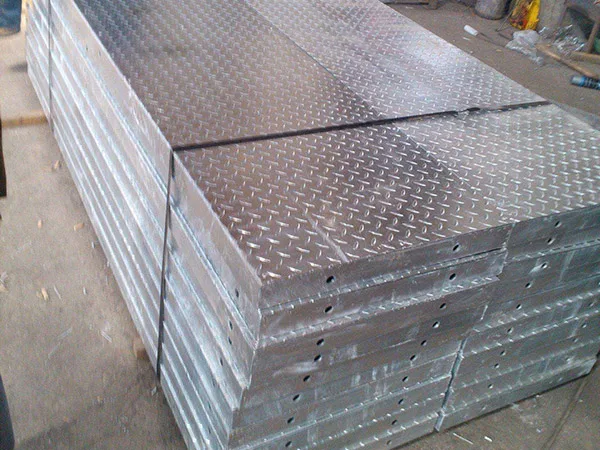
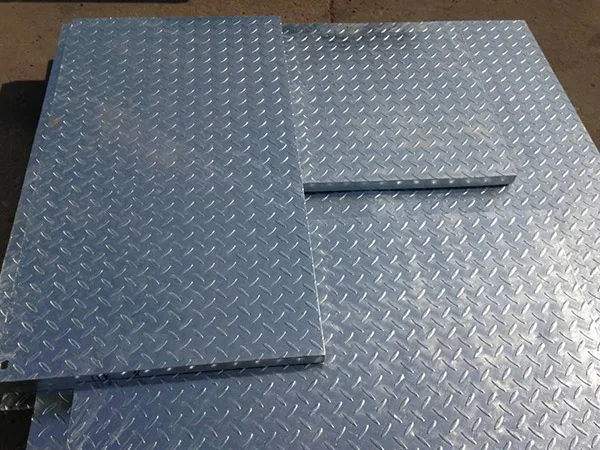
Compound steel grating is a product combining a steel grating with a certain spanning capacity and a checkered plate with a sealed surface; it can be built from any model of steel grating and checkered plate of various thicknesses. But the most commonly used base grating is G323/40/100; the checkered plate is usually 3mm thick, and 4mm, 5mm or 6mm plate can also be used.
The above points can serve as a pre-purchase checklist; confirm each item before moving to the quotation stage.
Compound Steel Grating Features
Compared with traditional solutions, compound steel grating differs clearly in self-weight, strength, corrosion life and later maintenance cost. In real selection, the following performance points are most worth checking first:
Overall, selection should weigh span, load and service environment together.
High strength, lightweight structure
Strong corrosion resistance, durable
Attractive appearance with a bright surface
No dirt accumulation, no rain or snow buildup, no water pooling; self-cleaning and easy to maintain
5. Good ventilation, daylighting, heat dissipation, anti-slip and explosion protection.
6. Easy to install and remove.
Compound Steel Grating Installation
- Directly weld the steel grating or treads onto the supporting steel structure, and brush two coats of zinc-dust paint at the welds.
- Installed with Shanzhiduo dedicated steel grating clips, which do not damage the galvanized coating and allow easy disassembly and reassembly. Each clip set includes one top clamp, one bottom clamp, and one M8 round-head bolt and nut each.
- Stainless steel installation clips or bolted connections and other fastening methods can be provided as needed.
- The installation gap for steel grating is generally 100mm.
- Make sure the installation is firm and reliable, and check regularly to prevent clips from loosening or falling off. Steel grating near vibration sources is best welded or fitted with rubber pads.
Selection Points for Compound Steel Grating
Confirm each item in the order below during selection to avoid most later rework. Record the conclusion of each step and submit it with your inquiry:
- Step 1 · Define Span and Support Conditions: First measure the clear span between support beams, then confirm the support surface width is sufficient; these two items determine the usable series range.
- Step 2 · Verify Service Load: Check separately for pedestrian, maintenance or vehicular traffic; maintenance and vehicular use differ greatly in bearing bar requirements.
- Step 3 · Determine Material and Surface Treatment: Ordinary carbon steel works for dry indoor environments; hot-dip galvanizing is recommended for outdoor or humid environments; chemical and coastal environments need separate confirmation.
- Step 4 · Confirm Shape and Fixing Method: Including whether cutouts, corner notches and banding are needed, and whether to use welded fixing or special clips.
Once the above conditions are confirmed, proceed to Instant Quote PageEstimate quantities by dimensions, or send the condition list to customer service for model recommendations from our technicians.
Compound Steel Grating: Applicable Working Conditions
The same specifications last very differently in different environments. The table below gives recommended practices by common service environment for your selection reference:
| Operating Environment | Recommended Practices | Note: |
|---|---|---|
| Indoor Dry Environments | Made of standard carbon steel with surface treatment as required | Focus on span and load; environmental impact is minimal |
| Outdoor and Open-Air Environments | Hot-dip galvanized surface treatment recommended | Check zinc coating integrity and re-zinc cut edges |
| Humid or Water Treatment Environments | Use a higher corrosion protection grade with matching fasteners | Regularly inspect fixing points and surface corrosion |
| Chemical or Coastal Environments | Confirm material and anti-corrosion scheme per medium | Avoid galvanic corrosion from direct contact between different metals |
| Vehicle Traffic Areas | Check load class against vehicle types | Note that bearing bars must run parallel to traffic direction |
| Temporary or Short-Term Use | Can be configured with the light-duty series | For short schedules, prioritize easy disassembly and turnover |
Custom Fabrication & Quotation
Compound steel grating supports made-to-drawing customization: overall dimensions, bearing bar size and pitch, banding type, openings and cut corners can all be processed to site conditions; for irregular parts and bulk orders, a layout drawing can be confirmed before production is scheduled. To estimate the quantity required, you canInstant Quote PageTry a size-based estimate; for model recommendations, browse ProductsCompare with similar specifications, then confirm with our service team.
FAQ
What mistakes are easy to make during installation?
Three main points: first, bearing bars installed in the wrong direction so loads are carried by cross bars; second, insufficient or missing fixing points; third, welding slag not removed and zinc-rich paint not reapplied after welding. These three cause the most on-site problems.
Which surface treatment should I choose?
Hot-dip galvanizing is recommended for outdoor or humid environments; for dry indoor environments, untreated or painted is fine; coastal, chemical and other strongly corrosive environments need thicker zinc coatings or stainless steel, depending on the expected service life.
Can it be custom-made to site dimensions?
Yes. Bearing bar specs, pitch, panel dimensions and banding forms can all be custom-made to drawings; cutouts, corner notches and shaped cutting are also supported. For bulk orders, a layout drawing can be confirmed before production.
Above are the common parameters and application scenarios for compound steel grating. Models differ considerably with span and load, so it is recommended toInstant Quote PageEnter actual dimensions for an estimate, or contact customer service to confirm the final selection.