
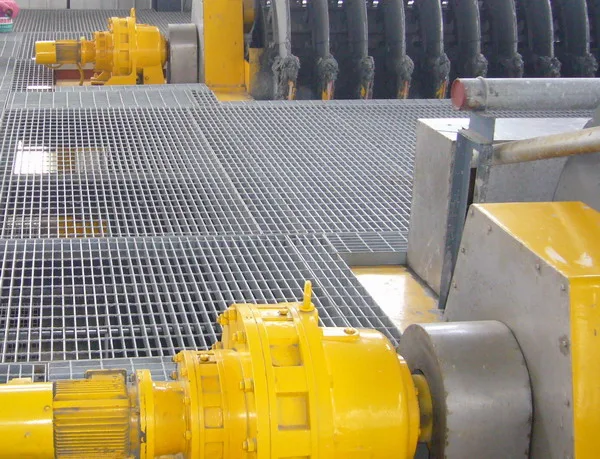
This article covers galvanized steel grating in three parts - what its fixing methods are, material and anti-corrosion requirements, and basic concepts - each followed by practical suggestions. If you are comparing solutions or preparing procurement, check the items in order; the parts involving galvanized grating can be confirmed against this article, adjusting where site conditions differ.
What Are the Fixing Methods for Galvanized Steel Grating
Below we first briefly explain the relevant concepts and basic construction to make the following parameters and sizing content easier to understand.
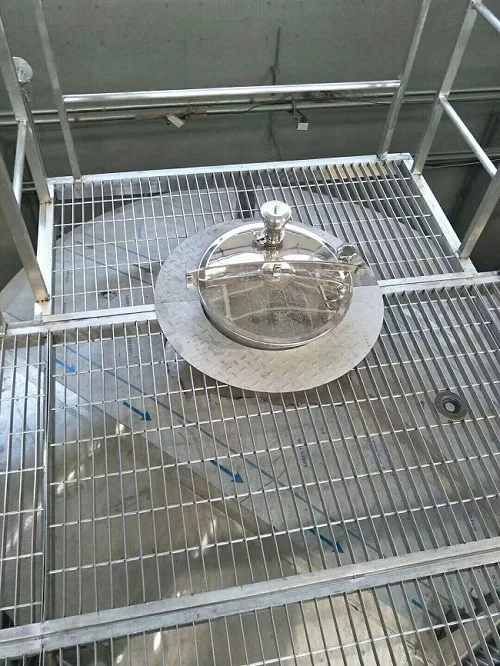
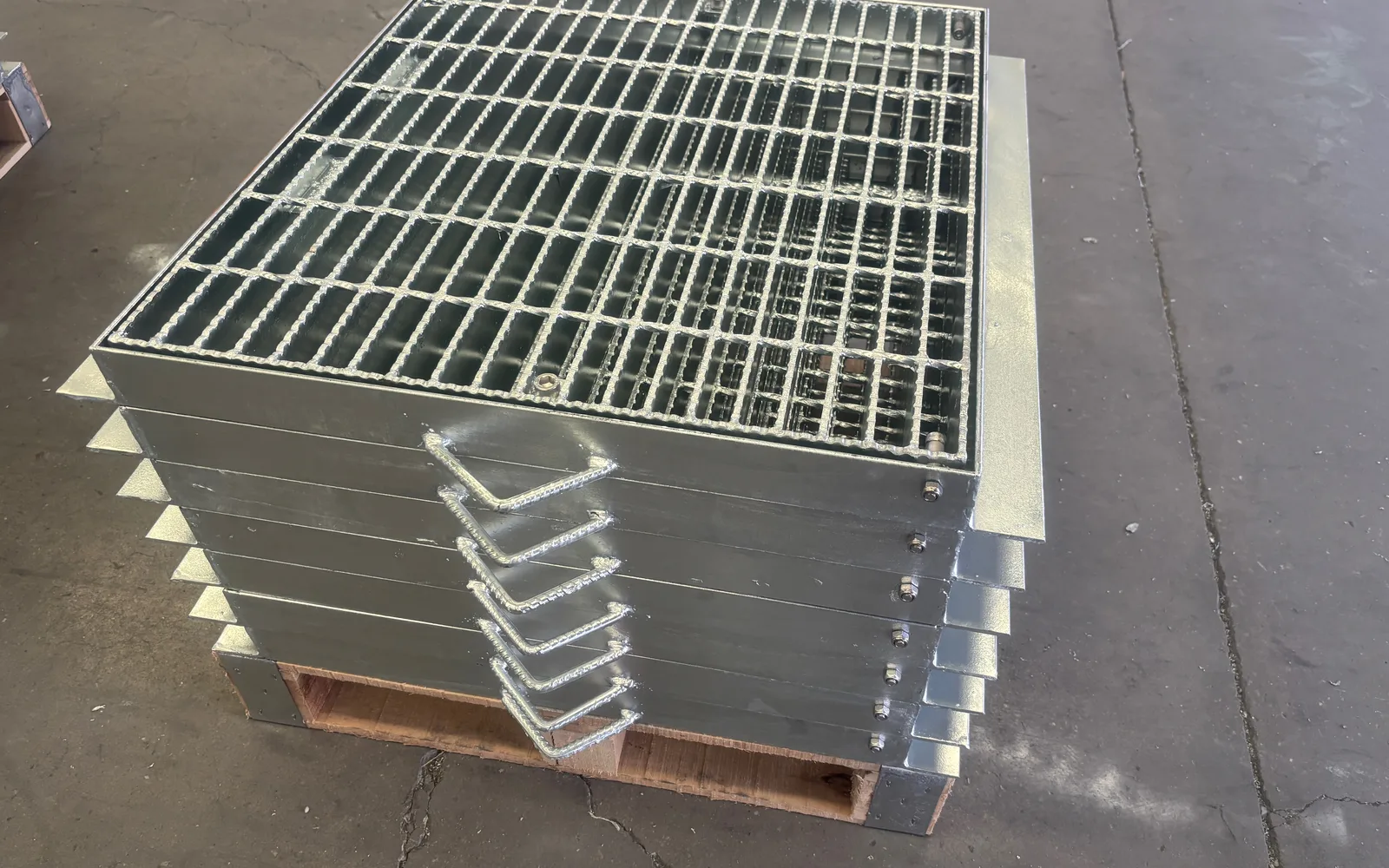
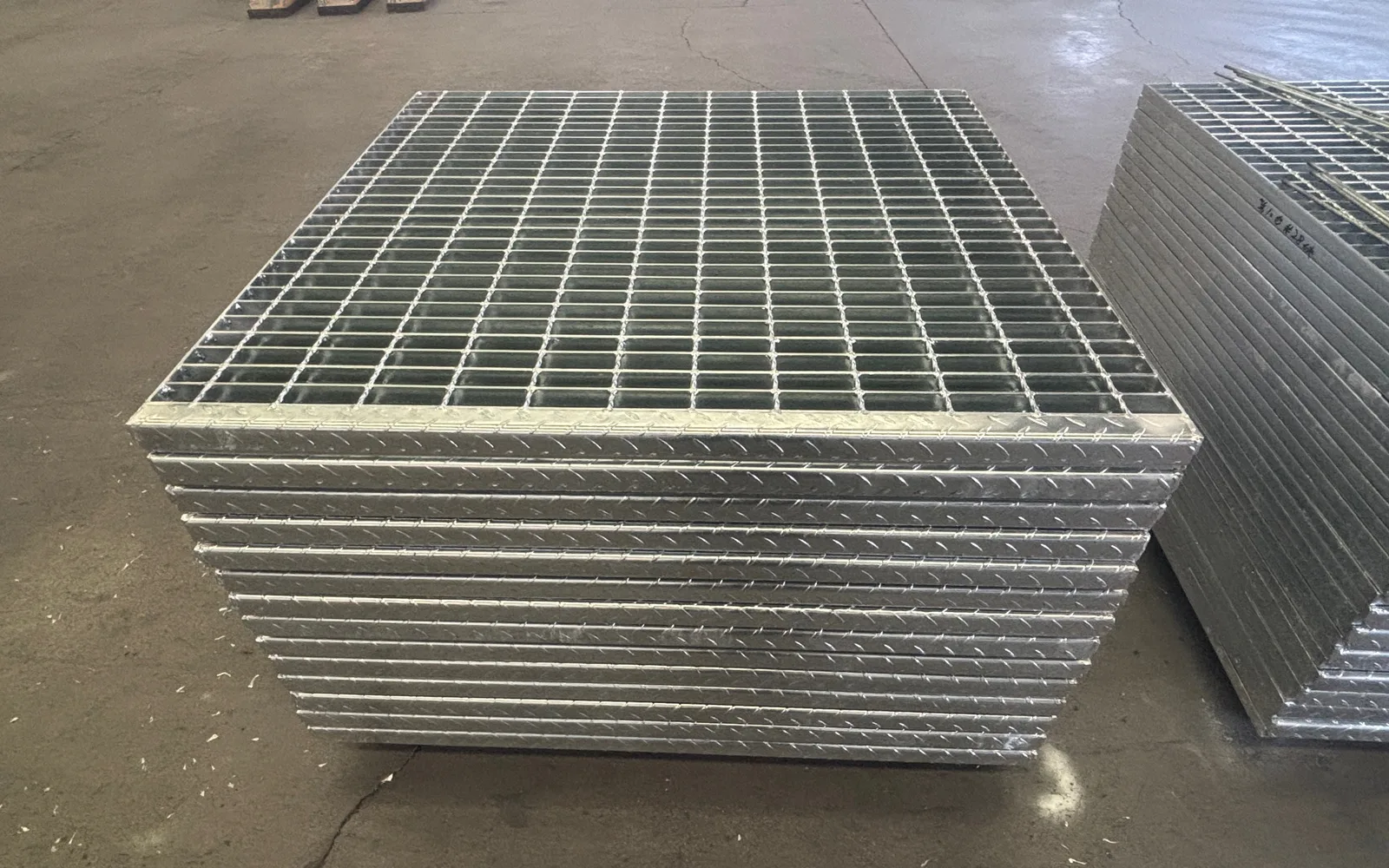
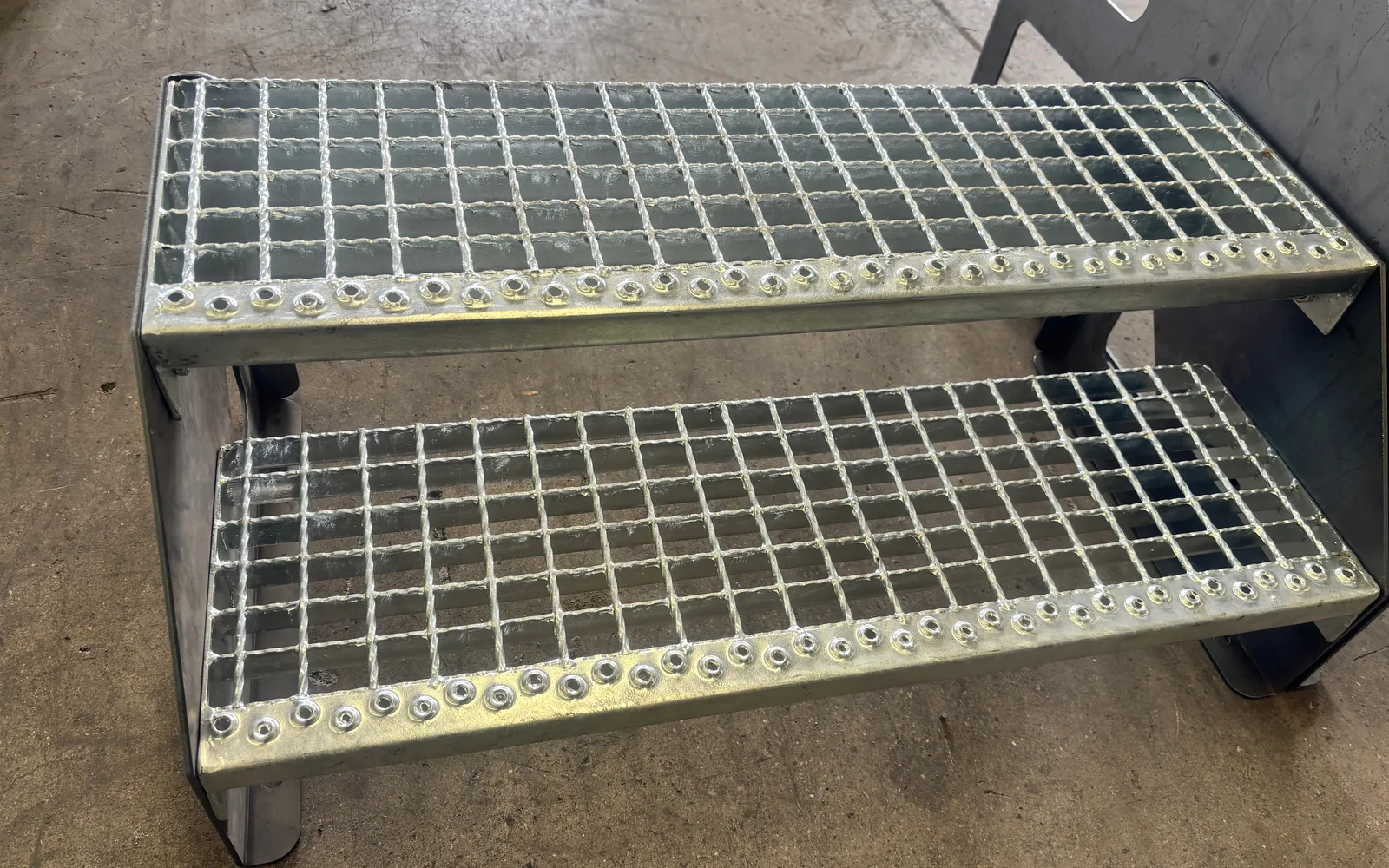
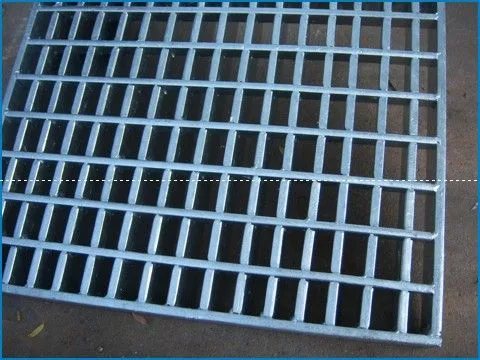
Hot-dip galvanized steel plate refers to the surface treatment of steel plates: hot-dip galvanizing, cold galvanizing and anti-rust paint. Hot-dip galvanizing offers the best anti-corrosion effect at a moderate price and is the most commonly used. It is also simply called hot galvanizing, and the product is also known as hot-dip galvanized steel plate or galvanized steel grating.
Once you grasp these basic concepts, the specifications and sizing recommendations that follow will be much easier to understand.
The same model may vary slightly between manufacturers; acceptance should be based on actual measurements. Key dimensions of galvanized steel grating should be spot-checked, especially for batch deliveries. Corresponding parameters of galvanized grating can be verified the same way; communicate promptly if deviations are found.
Material and Anti-Corrosion Requirements
Material and surface treatment are key to service life. Common practices and suitable environments are as follows:
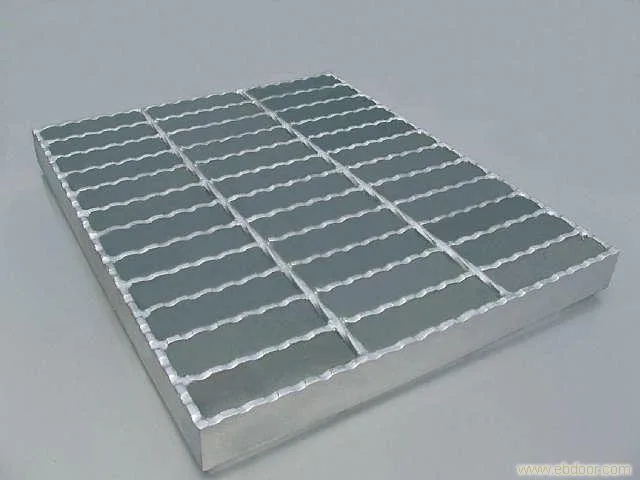
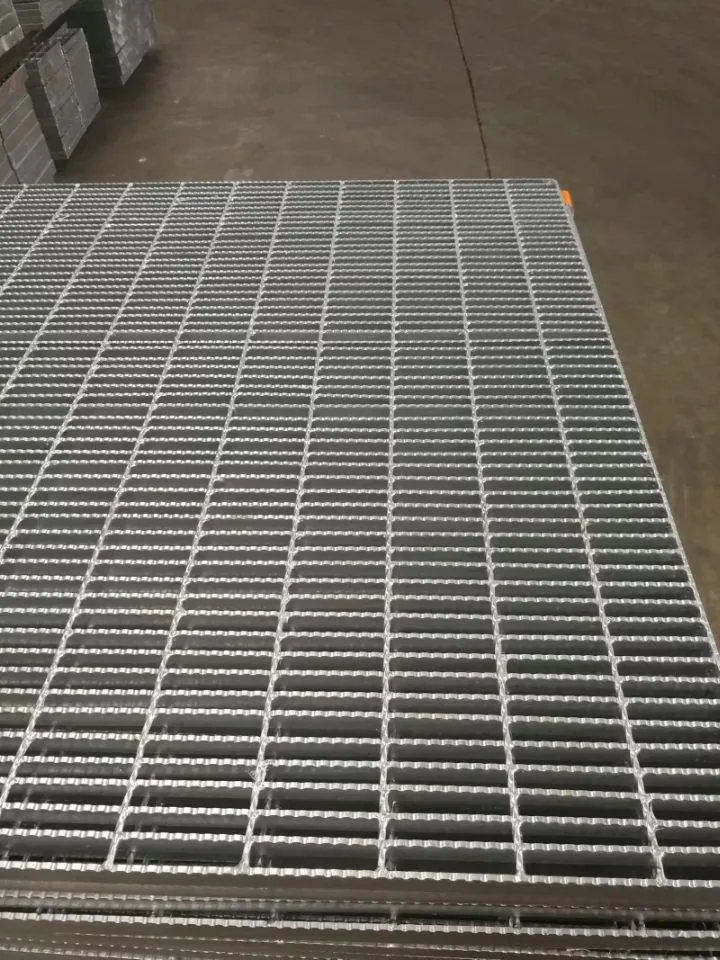
Production of hot-dip galvanized steel plate (hot-dip galvanized steel grating): pressure-welded or press-locked steel grating after hot-dip galvanizing becomes hot-dip galvanized steel grating. Hot-dip galvanized steel plate is brighter, smoother, more attractive and more stable than hand-welded grating.
Types of hot-dip galvanized steel plate (hot-dip galvanized steel grating): by production process, it is divided into machine pressure-welded and press-locked types; by the surface shape of the bearing bars, into serrated hot-dip galvanized steel plate (marked with the letter S, G), plain flat hot-dip galvanized steel plate and I-shaped plate, as well as compound hot-dip galvanized steel plate.
Once material and surface treatment are decided, we recommend writing zinc coating thickness and appearance requirements into the technical agreement.
For material selection, pursuing high grades alone is not recommended. The material of galvanized steel grating should match load requirements and service environment; over-specifying causes unnecessary cost increases. For the treatment of hot-dip galvanized steel grating, refer to the product page and choose according to actual service conditions.
Installation and Construction Points of the Fixing Methods for Galvanized Steel Grating
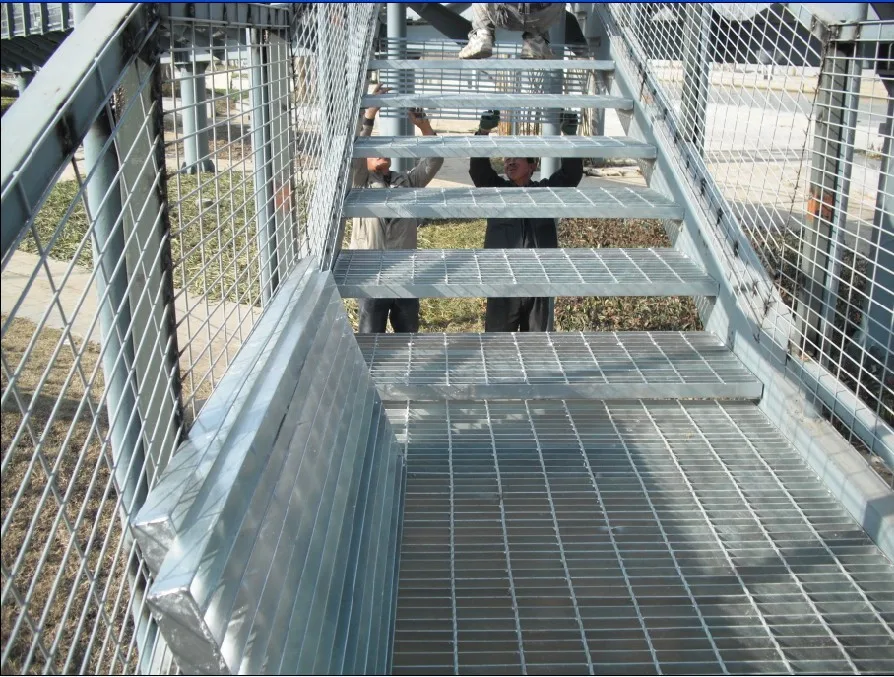
Two methods can be used: direct welding and installation clips. Welding offers permanent fixing without loosening; the position is at the first bearing bar of each corner of the panel, with weld length not less than 20mm and weld height not less than 3mm.
The advantage of clips is that they do not damage the hot-dip galvanized layer and allow easy disassembly. Each panel needs at least 4 sets of clips, increasing with panel length. The safest method is not to use bottom clips but to weld the screw heads directly onto the beam, ensuring the steel grating will not slide off the beam due to clip loosening.
Materials and surface treatment determine the field durability of galvanized steel grating. The same steel grating needs very different treatments in dry indoor versus coastal or chemical environments; the service environment should be raised as the primary condition in selection. The same applies to hot-dip galvanized steel grating.
Further notes: How to combine galvanized grating and hot-dip galvanized steel grating in use
Galvanized grating and hot-dip galvanized steel grating are different specification forms within the same product system. The selection logic is the same as described in this article: first the usage type, then span and load to determine specifications, and finally the environment to determine surface treatment. Their corrosion protection and anti-slip requirements may differ; state them separately when ordering rather than writing one general technical requirement.
- For all product specifications and theoretical weights by series, visit Steel Grating Product Center
- To estimate cost by size and quantity, use Instant Quote PageSubmit Requirements
- To see how similar projects were executed, refer to Project Cases field applications
FAQ
What maintenance is required during daily use?
Maintenance mainly involves periodically checking whether fasteners are loose, whether touch-up paint has peeled off, and whether the panel surface shows obvious deformation or rust. Issues found should be dealt with promptly; overall maintenance is minimal.
Can the values in the article be applied directly?
Values in this article come from relevant standard clauses or common industry practice. For actual selection, recalculate based on site span, load class and service environment; direct copying is not recommended.
How to choose between hot-dip galvanizing and cold galvanizing?
The two anti-corrosion mechanisms differ: hot-dip galvanizing immerses steel in molten zinc to form a metallurgically bonded coating, thick and long-lasting, suitable for outdoor and humid environments; cold galvanizing is electrochemical deposition with a thinner, more uniform appearance, suitable for dry indoor environments or applications requiring high dimensional precision.
The above is for sizing and construction reference. To verify specific parameters or request a quotation, please visitInstant Quote Page, or contact our technical staff.
The above is general guidance. For a specific project, we still recommend submitting span, load class and service environment to our technicians for review. Steel grating is a load-bearing component; rework caused by wrong specification choices costs far more than the time spent on upfront calculation.