







Many projects only focus on price when purchasing spray-painted steel grating, ignoring specification matching and anti-corrosion requirements, leading to rework later. This article lists, in the order of what correct spray-painting is, the supplementary process points, and paint selection, all the conditions to confirm, and explains how to make trade-offs under common conditions; content related to hot-dip galvanized steel grating can directly serve as a reference for technical disclosure.
What Is the Correct Spray-Painting Process for Steel Grating
This section first clarifies the basic concepts, structural forms and common names, laying the groundwork for what follows.
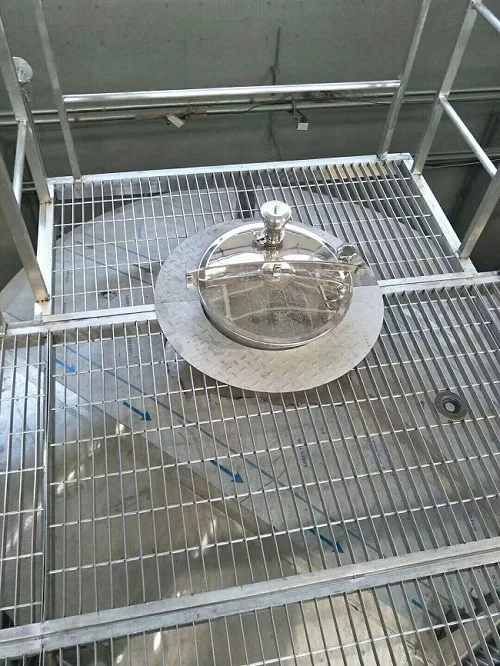
As a surface treatment for steel grating, spray-painting provides a certain anti-corrosion function; compared with galvanized and stainless steel grating it is cheaper, and it is also a grating product favored by suppliers. So, what should be noted before spray-painting steel grating to ensure a longer service life?
Once you grasp these basic concepts, the specifications and sizing recommendations that follow will be much easier to understand.
Material and surface treatment determine the on-site durability of spray-painted steel grating. Even for the same steel grating, the treatment differs greatly between dry indoor use and coastal or chemical environments, so the service environment should be raised as the primary condition during selection. This judgment holds equally for galvanized grating.
Supplementary Notes on the Correct Spray-Painting Process
The following aspects most need to be confirmed in advance in actual procurement and use:
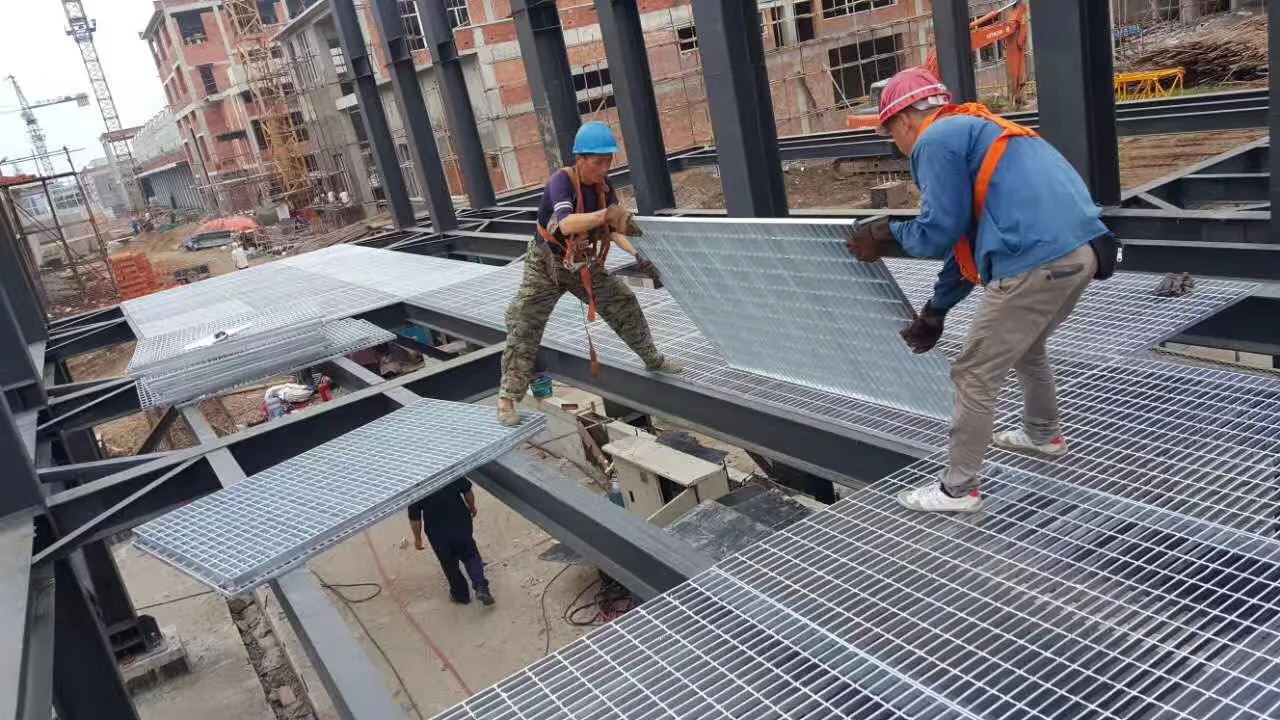
The following work must be completed before painting steel grating
The above points can serve as a pre-purchase checklist; confirm each item before moving to the quotation stage.
For material selection, do not simply chase the highest grade. The material of spray-painted steel grating should match the load requirements and service environment; over-specifying causes unnecessary cost increases. The corresponding treatment for hot-dip galvanized steel grating can be found on the product page, chosen against actual conditions.
Selecting the paint for steel grating;
Additional key points are as follows:
The above points can serve as a pre-purchase checklist; confirm each item before moving to the quotation stage.
Quotes for the same specification may fluctuate between batches with the steel market; this is normal for steel products such as spray-painted steel grating. If the procurement schedule allows, lock in prices early; the procurement of galvanized grating can also be planned on the same rhythm.
Check the performance and color of the paint;
As for service life, the actual lifespan of spray-painted steel grating depends heavily on the environment. The difference between dry indoor environments and coastal or chemical environments is very obvious; making the environment clear at the selection stage is more effective than remediation later, and the same applies to hot-dip galvanized steel grating.
Thoroughly mix the paint;
It should be noted that the specific practice for spray-painted steel grating varies with project conditions; what this article gives are general guidelines rather than fixed answers. In actual execution, it is recommended to first confirm the site span, support conditions and traffic requirements, then implement the items of this section one by one; for hot-dip galvanized steel grating the judgment logic is the same, and it is still advisable to double-check before ordering.
Adjust the paint viscosity;
It should be noted that the specific practice for spray-painted steel grating varies with project conditions; what this article gives are general guidelines rather than fixed answers. In actual execution, it is recommended to first confirm the site span, support conditions and traffic requirements, then implement the items of this section one by one; for hot-dip galvanized steel grating the judgment logic is the same, and it is still advisable to double-check before ordering.
Filter and purify the paint;
This section describes the common practice for spray-painted steel grating in most projects. If your site conditions are special - for example corrosive media, large temperature differences, or frequent disassembly - the treatment should be adjusted accordingly. Hot-dip galvanized steel grating also needs separate confirmation under such conditions; consult with site photos before deciding.
Adjust the paint color;
Finally, good weather is also one of the essential factors for spray painting
Then, when spraying, choose the right paint and appropriate viscosity for the steel grating being sprayed, determined by the paint type, air pressure, nozzle size and the needs of the sprayed surface.
The selection of spray-painted steel grating ultimately comes down to the drawings. It is recommended to mark the layout direction, fixing method and end treatment together, to avoid improvising on site. If design conditions are missing, submit the site dimensions and photos; hot-dip galvanized steel grating can also be laid out on the same basis.
Nozzle orifice of 0.5mm-0.8mm;
This section describes the common practice for spray-painted steel grating in most projects. If your site conditions are special - for example corrosive media, large temperature differences, or frequent disassembly - the treatment should be adjusted accordingly. Hot-dip galvanized steel grating also needs separate confirmation under such conditions; consult with site photos before deciding.
Air pressure supplied to the spray gun generally 0.3-0.6MPa;
This part on spray-painted steel grating may look basic, but it is often the source of later disputes. Stating the structure, material and surface treatment clearly in communication is far more reliable than agreeing only on a name. The selection of hot-dip galvanized steel grating can follow the same breakdown approach.
Distance between nozzle and the grating surface generally 20-30cm;
This part on spray-painted steel grating may look basic, but it is often the source of later disputes. Stating the structure, material and surface treatment clearly in communication is far more reliable than agreeing only on a name. The selection of hot-dip galvanized steel grating can follow the same breakdown approach.
The spray direction should be as perpendicular as possible to the grating surface;
5: When operating, each spray pass should overlap the edge of the previously sprayed pass (an overlap of 1/3 is best); the gun moving speed should remain even, never fast then slow.
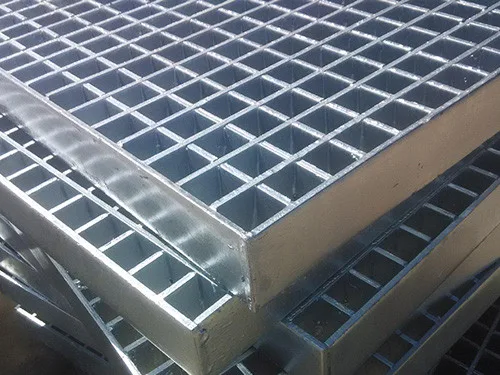
Since the paint odor is heavy, spray in a ventilated, open space to help the paint air-dry. When our technicians strictly follow the above procedure for grating spray painting, the product's service life and appearance can be assured to the greatest extent.
When reading this content, it is recommended to view it together with the following sections: only when the spray-painted steel grating itself is clear first will specifications and installation be covered later. If you only need a quick conclusion, start with the key points of this section; if it comes to procurement, the related requirements for hot-dip galvanized steel grating should also be written into the technical agreement.
Further reading: Selection points for hot-dip galvanized steel grating and galvanized grating
Hot-dip galvanized steel grating and galvanized grating are different specification forms within the same product system. The selection logic is the same as described in this article: first the usage type, then span and load to determine specifications, and finally the environment to determine surface treatment. Their corrosion protection and anti-slip requirements may differ; state them separately when ordering rather than writing one general technical requirement.
- For all product specifications and theoretical weights by series, visit Steel Grating Product Center
- To estimate cost by size and quantity, use Instant Quote PageSubmit Requirements
- To see how similar projects were executed, refer to Project Cases field applications
FAQ
What maintenance is required during daily use?
Maintenance mainly involves periodically checking whether fasteners are loose, whether touch-up paint has peeled off, and whether the panel surface shows obvious deformation or rust. Issues found should be dealt with promptly; overall maintenance is minimal.
What information is needed for custom sizes?
Usually you need to provide the panel dimensions (length x width), bearing bar specs and direction, center-to-center pitch of bearing bars and cross bars, surface treatment, and special requirements such as cutouts, corner notches and banding. Site photos or sketches are even better.
Where can I find specific specifications?
our websiteProductsCommon specifications and theoretical weights are organized by series, also available in Instant Quote PageEstimate by size, or contact us directly for sizing advice.
The above is for sizing and construction reference. To verify specific parameters or request a quotation, please visitInstant Quote Page, or contact our technical staff.
Note that this article presents sizing approaches and general practice, and does not constitute a strength commitment for any specific project. For load-bearing safety-critical areas, the design drawings and on-site calculations shall prevail; contact our technical staff if in doubt.