
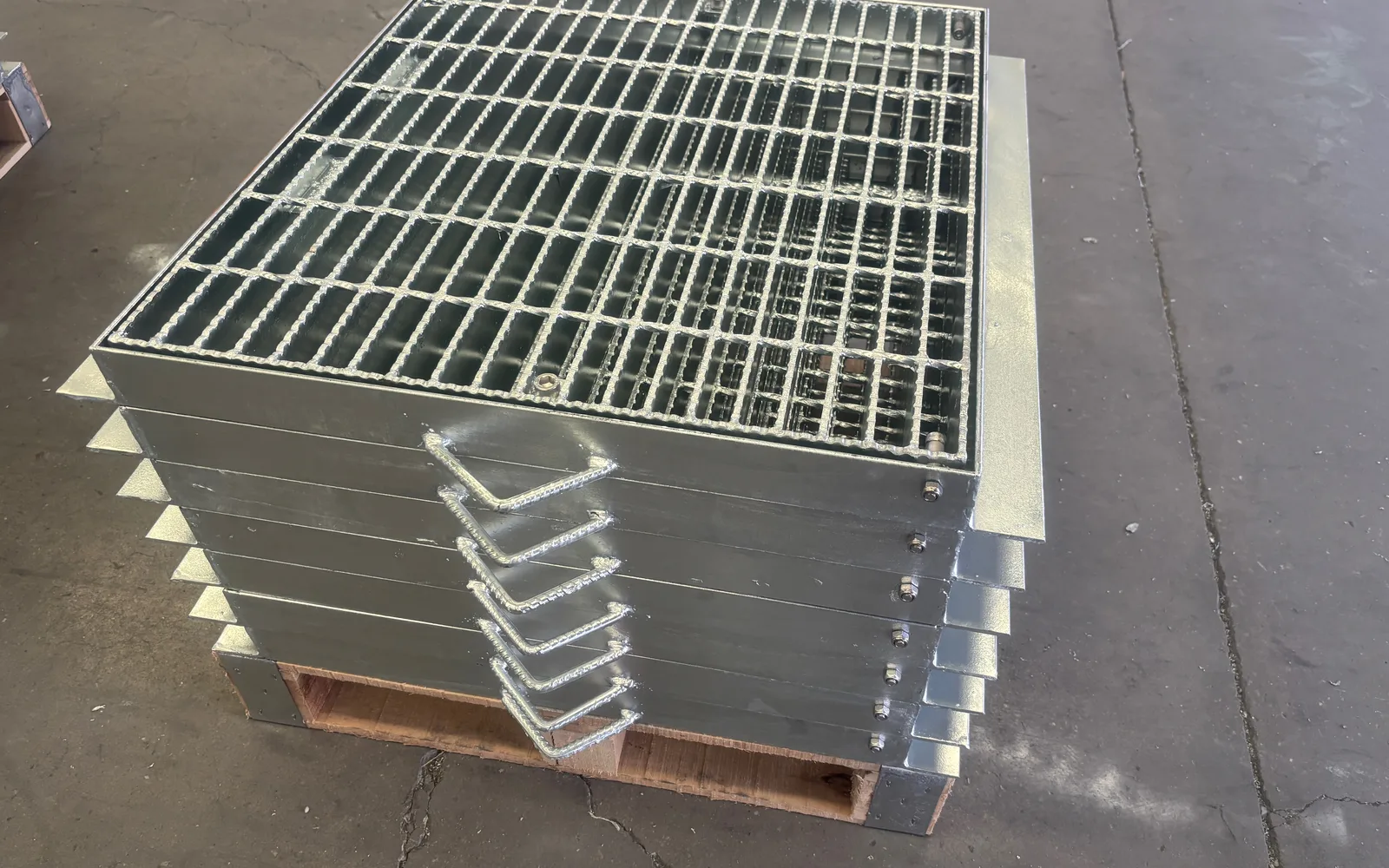
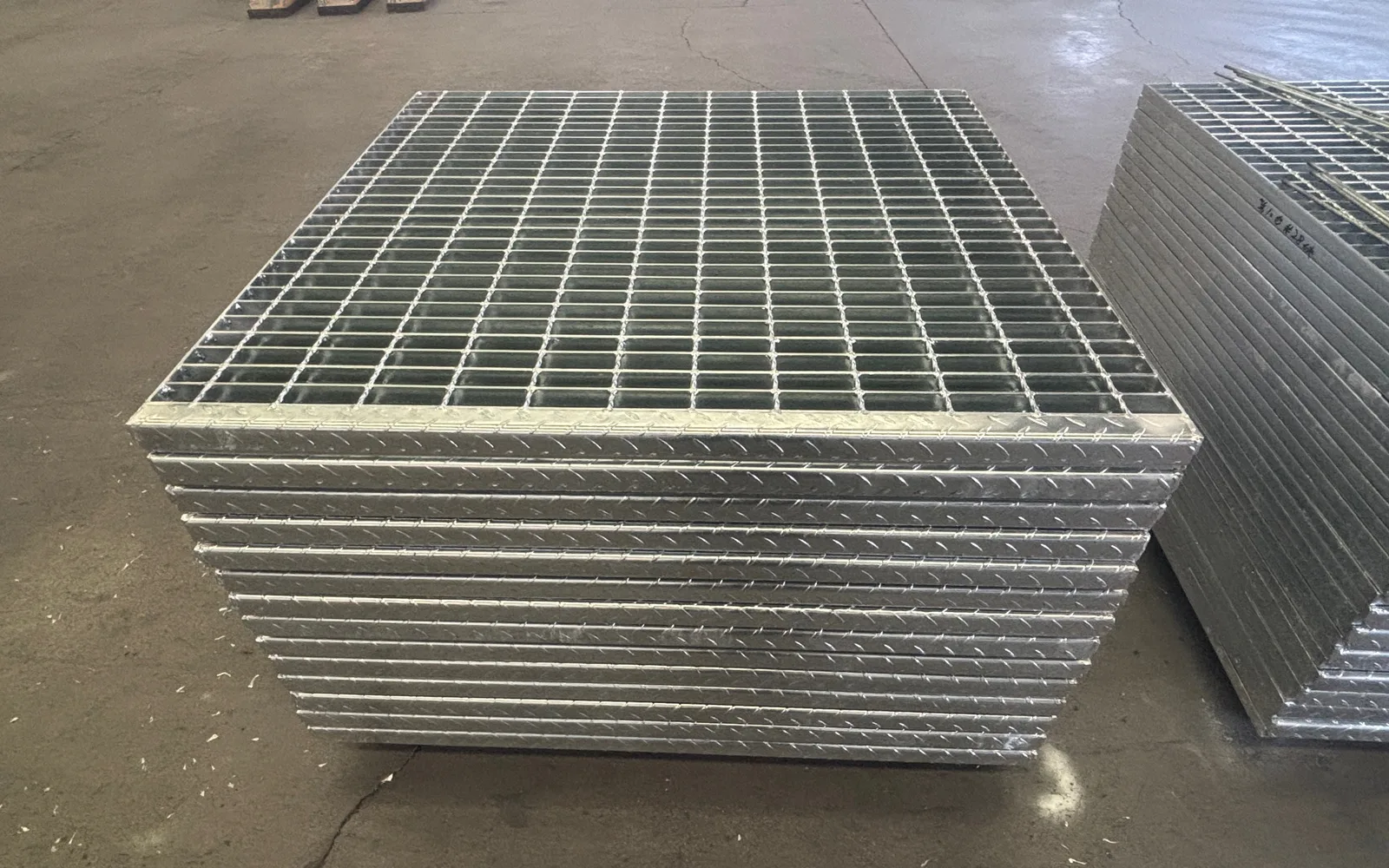
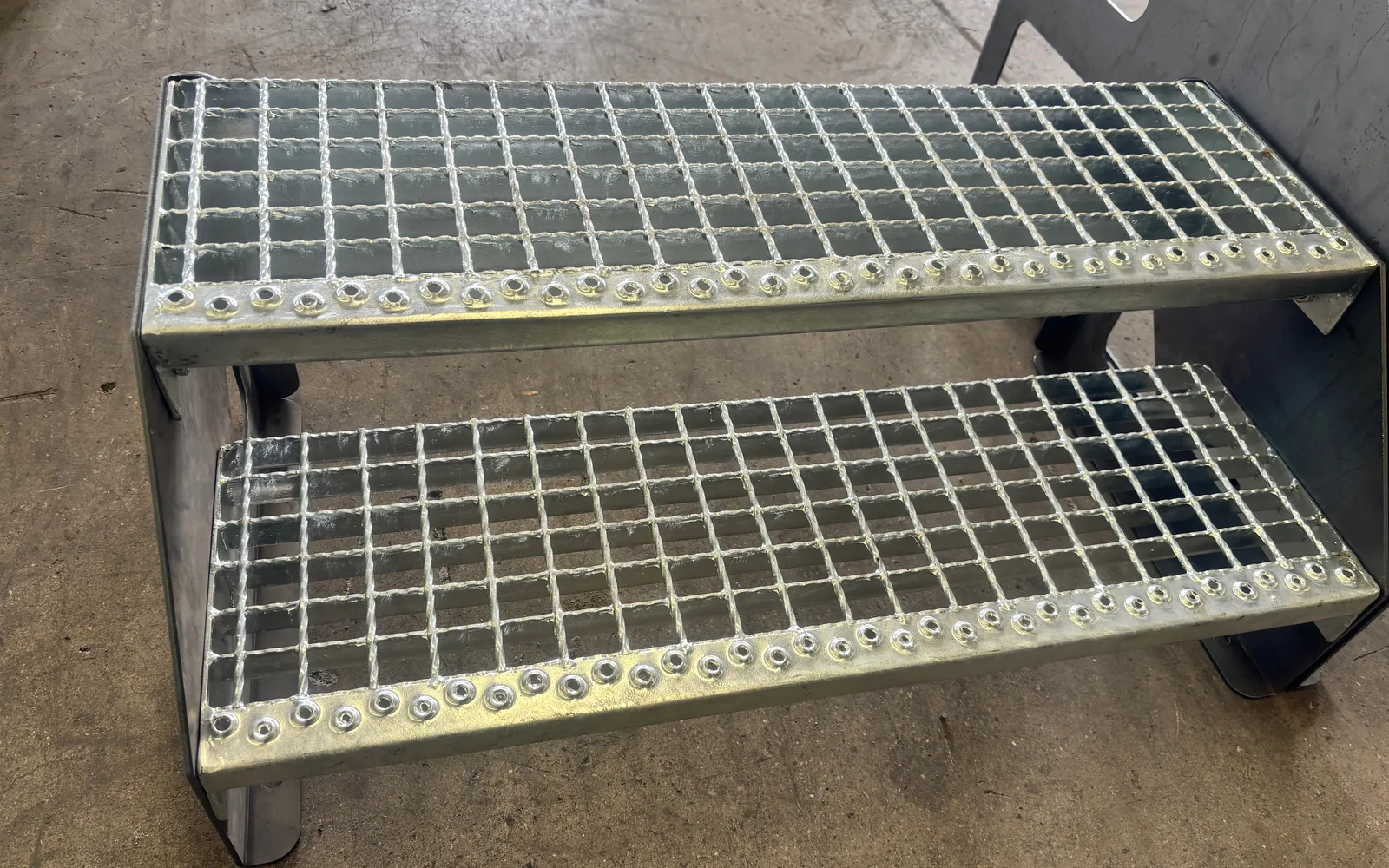
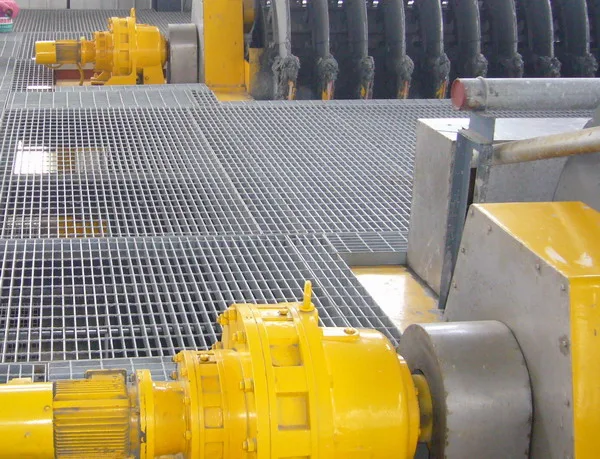
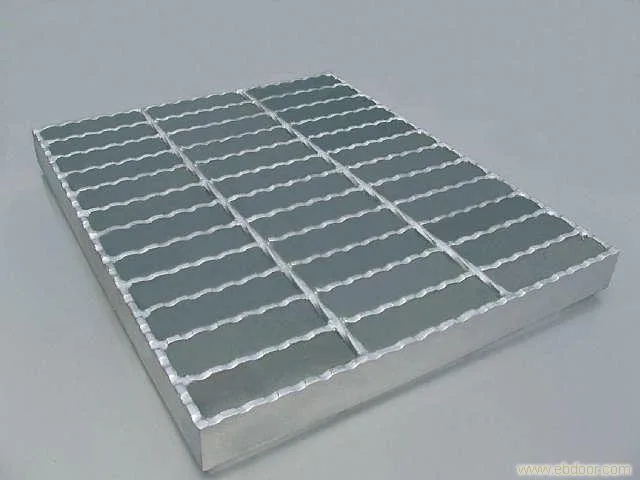
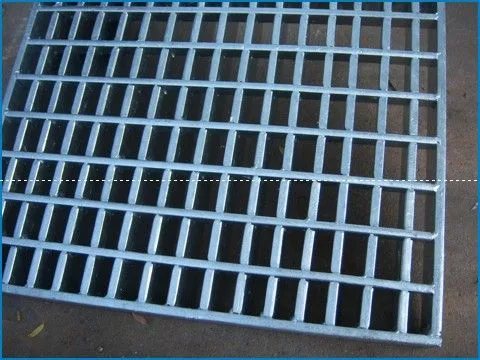
This article introduces steel grating in the order of control and treatment measures for deformation, installation and fixing methods, and basic concepts. Each section gives executable judgment methods as far as possible; if you only need quick conclusions, read the key points at the start of each section. The same approach applies to steel grating specifications.
Key Points on Control and Treatment Measures for Steel Grating Deformation
The following aspects most need to be confirmed in advance in actual procurement and use:
Control and Treatment Measures for Steel Grating Deformation
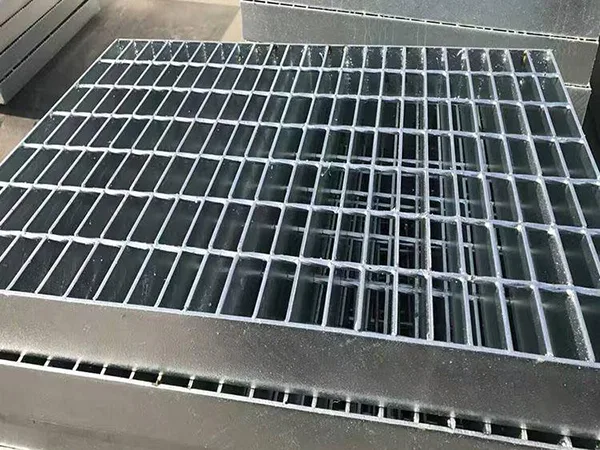
The above points can serve as a pre-purchase checklist; confirm each item before moving to the quotation stage.
In terms of price composition, the cost of steel grating is mainly affected by the steel market, specifications and dimensions, surface treatment, and machining difficulty, among which zinc coating thickness and special-shape machining have a large impact on unit price. State these items clearly when inquiring so that quotations are comparable; the price factors of hot-dip galvanized steel grating are basically the same.
Installation and Fixing Method
Key points for construction and fixing are as follows:
Controlling the welding deformation of steel grating is the key issue in improving welding quality. During welding, the quality of each process should be controlled, and operators should strengthen training in common welding techniques to accumulate welding skills and experience, improving the welding quality of steel grating. Whether manual or automatic welding technology is used, welding experience and the choice of welding process are very important. Therefore, in addition to common welding training and skill accumulation, operators must also select welding processes reasonably, so that welding quality improvement has far-reaching significance.
- Technical measures to reduce steel grating deformation during welding. Pay attention to the following two aspects during welding. First, minimize the longitudinal plastic compressive force generated during the heating stage. Longitudinal plastic compressive force includes: pre-tension (mechanical stretching and preset thermal tension), equivalent heat input reduction methods (various cooling fixtures, heat-absorbing substances pre-deposited on both sides of the weld, etc.), and uniform preheating methods with cooling gradients. Second, maximize longitudinal plastic deformation during the cooling process, including constrained dynamic thermal gradient stretching (with weld cooling) and static thermal gradient stretching.
- Rigid fixing welding method. Welding fixtures or combined fixtures are used to weld the steel grating workpieces after rigid fixing, with the aim of increasing assembly rigidity and reducing the tendency to deform during welding, ensuring the geometry of the assembly. If the weld of the steel grating is relatively long, weights can be pressed on both sides of the weld to reduce weld deformation.
- Deformation control measures for steel grating after welding. The most scientific method is to use multi-point heating to correct the convex-concave deformation of the steel grating. Usually, the heating point diameter is not less than 15 mm, and the distance between heating points should be set based on the deformation of the panel, generally in the range of 50-100 mm. Deformation of welded steel components can be overcome by post-weld heat treatment methods that eliminate residual stress, indicating that to better prevent springback deformation of stainless steel thin plates after welding and stabilize component dimensions, rigid fixing with gap samples, strips, and plate samples can be used; post-weld heat treatment of components can effectively overcome plate welding deformation.
After installation, check each panel's fixing points and flatness; put into use only after confirming no warping or looseness.
After installation is complete, an overall inspection is recommended: whether the panel surface is warped, whether the fasteners are complete, and whether the height difference between adjacent panels is obvious. Such problems with steel grating are cheapest to fix at the acceptance stage; rework after they are put into use is much more troublesome. Acceptance points for hot-dip galvanized steel grating can follow the same standard.
Further Reading: Common Combinations of Steel Grating Specifications and Hot-Dip Galvanized Steel Grating
Besides what this article covers, steel grating specifications and models are also common in actual projects. It shares similarities with this article's subject in structure and fabrication; for selection, check span, load and service environment in the same order. If both types of components are used in the same project, we recommend unifying material and surface treatment to avoid later galvanic corrosion or inconsistent appearance.
- For all product specifications and theoretical weights by series, visit Steel Grating Product Center
- To estimate cost by size and quantity, use Instant Quote PageSubmit Requirements
- To see how similar projects were executed, refer to Project Cases field applications
FAQ
What maintenance is required during daily use?
Maintenance mainly involves periodically checking whether fasteners are loose, whether touch-up paint has peeled off, and whether the panel surface shows obvious deformation or rust. Issues found should be dealt with promptly; overall maintenance is minimal.
What information is needed for custom sizes?
Usually you need to provide the panel dimensions (length x width), bearing bar specs and direction, center-to-center pitch of bearing bars and cross bars, surface treatment, and special requirements such as cutouts, corner notches and banding. Site photos or sketches are even better.
Why do different manufacturers quote different weights for the same specifications?
The main difference lies in the actual measured thickness and tolerance control of the bearing bars. When bars are supplied at the lower tolerance limit, weight per unit area falls below the theoretical value, and load capacity drops accordingly. We recommend specifying thickness tolerance clearly when purchasing.
The above is for sizing and construction reference. To verify specific parameters or request a quotation, please visitInstant Quote Page, or contact our technical staff.
The above is general guidance. For a specific project, we still recommend submitting span, load class and service environment to our technicians for review. Steel grating is a load-bearing component; rework caused by wrong specification choices costs far more than the time spent on upfront calculation.