







This article explains hot-dip galvanized steel grating in order: what steel grating is, fixing and installation methods, and performance features, giving directly actionable judgment methods rather than just principles. If you have drawings or site dimensions, check them against the key points; hot-dip galvanized steel grating can follow the same evaluation order.
What Is Steel Grating
Below we first briefly explain the relevant concepts and basic construction to make the following parameters and sizing content easier to understand.
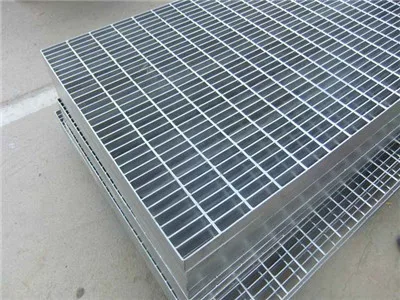
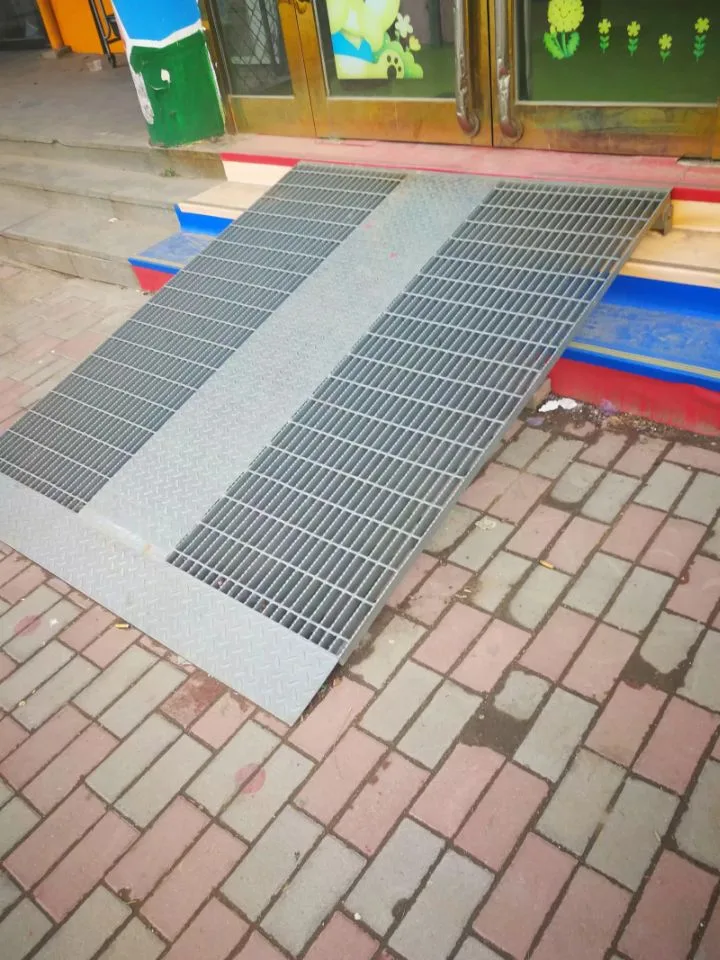
Compound steel grating is a product combining steel grating with a certain spanning capacity and a checkered plate with a sealed surface, and can be formed with any model of steel grating and checkered plates of different thicknesses. The most commonly used grating base plate is G323/40/100; the checkered plate is commonly 3mm thick, and 4mm, 5mm or 6mm plates can also be used.
- Generally, before the galvanizing process, if the grating surface is not thoroughly cleaned and welding slag or anti-spatter agent remains, an oxide film forms on the surface, continuously affecting the adhesion of the zinc layer to the grating surface.
- Second, the grating material is Q235 flat steel. The grating itself is a product with relatively high carbon content, which lowers the relevant potential; if acceleration occurs on the surface of grating workpieces, current efficiency will surely keep decreasing.
- If the state of the grating is improperly handled, for example when grating bundles are too dense during binding, local parts of the grating will be shielded, gradually leading to an overly thin coating.
Once you grasp these basic concepts, the specifications and sizing recommendations that follow will be much easier to understand.
The most easily overlooked items in a specification table are tolerances and end treatment. The length direction of hot-dip galvanized steel grating usually retains machining allowance; if site installation is recessed, edge closing and corner-cutting requirements should be stated in advance. Hot-dip galvanized steel grating is handled similarly in such details; mark them clearly on the drawings.
Installation and Fixing Method
On-site construction generally follows the steps and technical requirements below; complete the technical disclosure before starting work:
We sometimes use dedicated steel grating installation clips to install grating, which does not damage the galvanized layer and allows easy disassembly. Each set of installation clips includes one upper clip, one lower clip, one M8 round-head bolt and one nut. Steel grating is welded by gas-shielded welding through loads and cross bars arranged at certain intervals.
After installation, check each panel's fixing points and flatness; put into use only after confirming no warping or looseness.
Do not simply pursue high material grades. The material of hot-dip galvanized steel grating should match load requirements and service environment; over-specifying causes unnecessary cost increases. For hot-dip galvanized steel grating, refer to the product page and select per actual working conditions.
Performance Features of Steel Grating
Its overall performance focuses on the following aspects; we suggest comparing item by item in actual selection:
Durability features of steel grating: the hot-dip galvanized surface treatment gives steel grating quite good corrosion resistance and a beautiful glossy surface; good ventilation, daylighting, heat dissipation, explosion-proof and anti-slip performance; it also resists dust accumulation.
Steel grating features: high-strength, lightweight structure. Strong grid welding gives steel grating high load capacity, light weight, easy hoisting structure and attractive appearance.
Overall, selection should weigh span, load and service environment together.
Material and surface treatment determine the durability of hot-dip galvanized steel grating on site. Even for the same grating, treatment differs greatly between dry indoor use and coastal or chemical environments; the service environment should be stated as the primary condition during selection. The same judgment applies to hot-dip galvanized steel grating panels.
Scope of Application & Engineering Fields
Steel grating is widely used for platforms in petrochemicals, power plants, water and wastewater treatment plants, municipal engineering and environmental sanitation engineering; it is also used in walkways, trestles, trench covers, casings, ladders, fences, guardrails and other facilities.
Different parts of the same scene often have different requirements. Take hot-dip galvanized steel grating as an example: specifications for main passages and corner areas, frequently used areas and occasional maintenance areas can be set separately; hot-dip galvanized steel grating panels should also be combined on a zoned basis, balancing safety and cost.
Further reading: Selection points for hot-dip galvanized steel grating and hot-dip galvanized steel grating
Besides what this article covers, hot-dip galvanized steel grating is also common in actual projects. It shares similarities with this article's subject in structure and fabrication; for selection, check span, load and service environment in the same order. If both types of components are used in the same project, we recommend unifying material and surface treatment to avoid later galvanic corrosion or inconsistent appearance.
- For all product specifications and theoretical weights by series, visit Steel Grating Product Center
- To estimate cost by size and quantity, use Instant Quote PageSubmit Requirements
- To see how similar projects were executed, refer to Project Cases field applications
FAQ
What information is needed for custom sizes?
Usually you need to provide the panel dimensions (length x width), bearing bar specs and direction, center-to-center pitch of bearing bars and cross bars, surface treatment, and special requirements such as cutouts, corner notches and banding. Site photos or sketches are even better.
Why do different manufacturers quote different weights for the same specifications?
The main difference lies in the actual measured thickness and tolerance control of the bearing bars. When bars are supplied at the lower tolerance limit, weight per unit area falls below the theoretical value, and load capacity drops accordingly. We recommend specifying thickness tolerance clearly when purchasing.
What maintenance is required during daily use?
Maintenance mainly involves periodically checking whether fasteners are loose, whether touch-up paint has peeled off, and whether the panel surface shows obvious deformation or rust. Issues found should be dealt with promptly; overall maintenance is minimal.
The above is for sizing and construction reference. To verify specific parameters or request a quotation, please visitInstant Quote Page, or contact our technical staff.
Note that this article presents sizing approaches and general practice, and does not constitute a strength commitment for any specific project. For load-bearing safety-critical areas, the design drawings and on-site calculations shall prevail; contact our technical staff if in doubt.