
Many projects focus only on price when purchasing hot-dip galvanized steel grating, ignoring specification matching and anti-corrosion requirements, which often leads to rework later. This article lists the conditions to confirm one by one - following the order of cleaning methods, basic concepts and core principles - and explains how to make trade-offs under common working conditions. Content relating to hot-dip galvanized steel grating can be used directly as a reference for technical briefings.
Key Points on How to Clean Hot-Dip Galvanized Steel Grating
Additional key points are as follows:
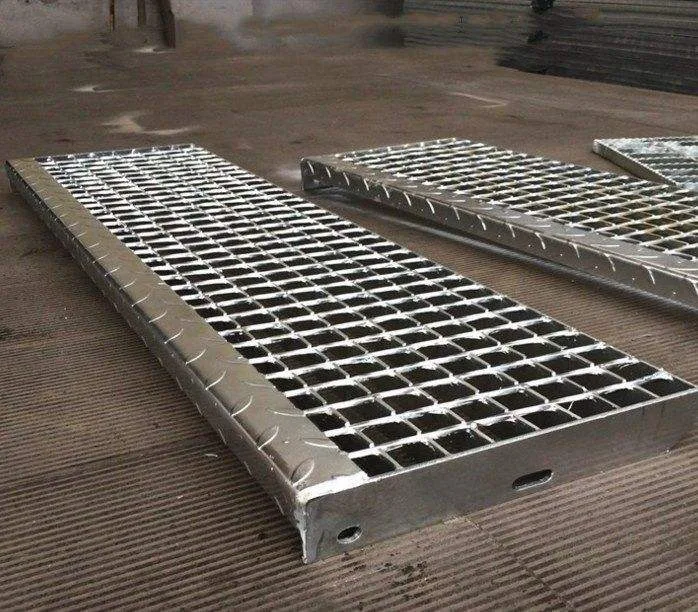
How to clean the tail end of galvanized steel grating? The rough surface at the tail end of galvanized steel grating generally appears in process layouts where external air wiping is followed by internal air wiping. This rough surface is relatively short but thick and pronounced, often hanging in the form of zinc droplets.
These phenomena occur mainly because the galvanized steel grating is inclined during internal air wiping, so un-solidified zinc continues to flow out after wiping. Some flows away, while some forms droplet-like hanging shapes at the pipe openings and solidifies as the temperature gradually drops.
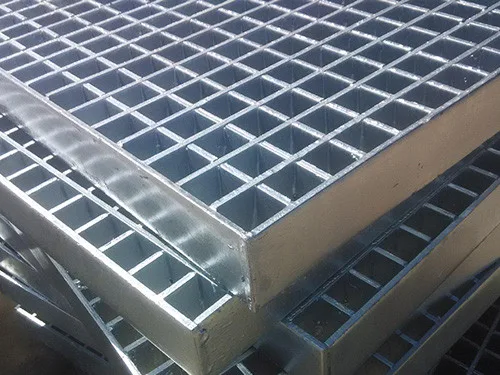
The above points can serve as a pre-purchase checklist; confirm each item before moving to the quotation stage.
For material selection, do not simply chase high grades. The material of hot-dip galvanized steel grating should match the load requirements and service environment; over-specifying causes unnecessary cost increases. The corresponding treatment for hot-dip galvanized steel grating can be found on the product page, chosen against actual conditions.
Basic Concepts of How to Clean Hot-Dip Galvanized Steel Grating
This section first clarifies the basic concepts, structural forms and common names, laying the groundwork for what follows.
The cause of this phenomenon is mainly that the wiping steam, when suddenly ejected from the pipe opening, spreads outward all around. This spreading steam forces the zinc liquid inside the galvanized steel grating to flow and splash around. Due to the viscosity of the zinc, part of it drips along the outer lower edge of the pipe opening and, after cooling, becomes short, thick zinc nodules. The solutions are: eliminate the inclination; raise the tail end of the grating and rotate it on the cooling bed until solidified; add wiping facilities around the tail pipe opening. The zinc nodules at this pipe opening are very thick and affect the service life of pipe threading tools, so they cannot be ignored.
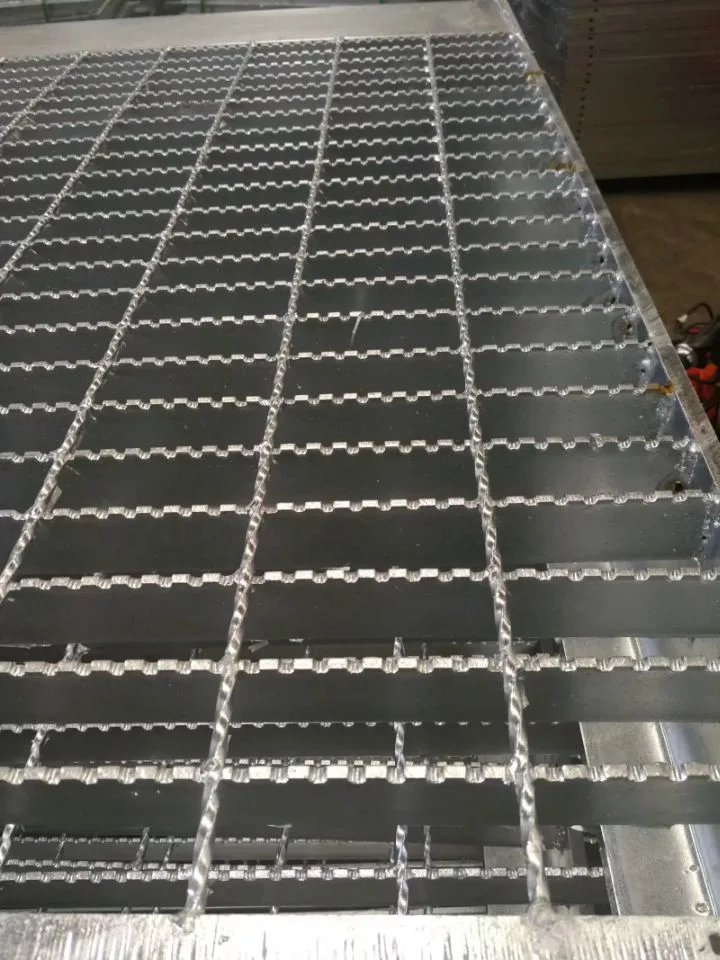
Once you grasp these basic concepts, the specifications and sizing recommendations that follow will be much easier to understand.
Regarding corrosion protection, one thing is easily overlooked: on-site cutting and welding damage the original coating, and these areas need zinc touch-up after construction, otherwise rust often starts from the cut edges. Hot-dip galvanized steel grating has the same issue; it is best to include this in the technical requirements at the construction disclosure.
Supplementary Notes on How to Clean Hot-Dip Galvanized Steel Grating
In actual production, experience can decide whether filing is needed. If experience suggests that thin zinc nodules have little effect on threading tools, filing is unnecessary; if they are considered to have an effect, such pieces must be picked out and processed before being sent for pipe threading.
Materials and surface treatment determine the field durability of hot-dip galvanized steel grating. The same steel grating requires very different treatments in dry indoor conditions versus coastal or chemical environments, so the service environment should be raised as the primary condition during selection. The same applies to hot-dip galvanized steel grating.
Further Reading: Common Pairings of Hot-Dip Galvanized Steel Grating and Hot-Dip Galvanized Steel Grating
If a project uses hot-dip galvanized steel grating together with hot-dip galvanized steel grating, we recommend planning them on the same layout drawing. This way edge closing, fixing and cutouts at junctions can be handled uniformly, avoiding dimension conflicts during installation and making later maintenance easier.
- For all product specifications and theoretical weights by series, visit Steel Grating Product Center
- To estimate cost by size and quantity, use Instant Quote PageSubmit Requirements
- To see how similar projects were executed, refer to Project Cases field applications
FAQ
What maintenance is required during daily use?
Maintenance mainly involves periodically checking whether fasteners are loose, whether touch-up paint has peeled off, and whether the panel surface shows obvious deformation or rust. Issues found should be dealt with promptly; overall maintenance is minimal.
Where can I find specific specifications?
our websiteProductsCommon specifications and theoretical weights are organized by series, also available in Instant Quote PageEstimate by size, or contact us directly for sizing advice.
How to choose between hot-dip galvanizing and cold galvanizing?
The two anti-corrosion mechanisms differ: hot-dip galvanizing immerses steel in molten zinc to form a metallurgically bonded coating, thick and long-lasting, suitable for outdoor and humid environments; cold galvanizing is electrochemical deposition with a thinner, more uniform appearance, suitable for dry indoor environments or applications requiring high dimensional precision.
The above is for sizing and construction reference. To verify specific parameters or request a quotation, please visitInstant Quote Page, or contact our technical staff.
Note that this article presents sizing approaches and general practice, and does not constitute a strength commitment for any specific project. For load-bearing safety-critical areas, the design drawings and on-site calculations shall prevail; contact our technical staff if in doubt.