
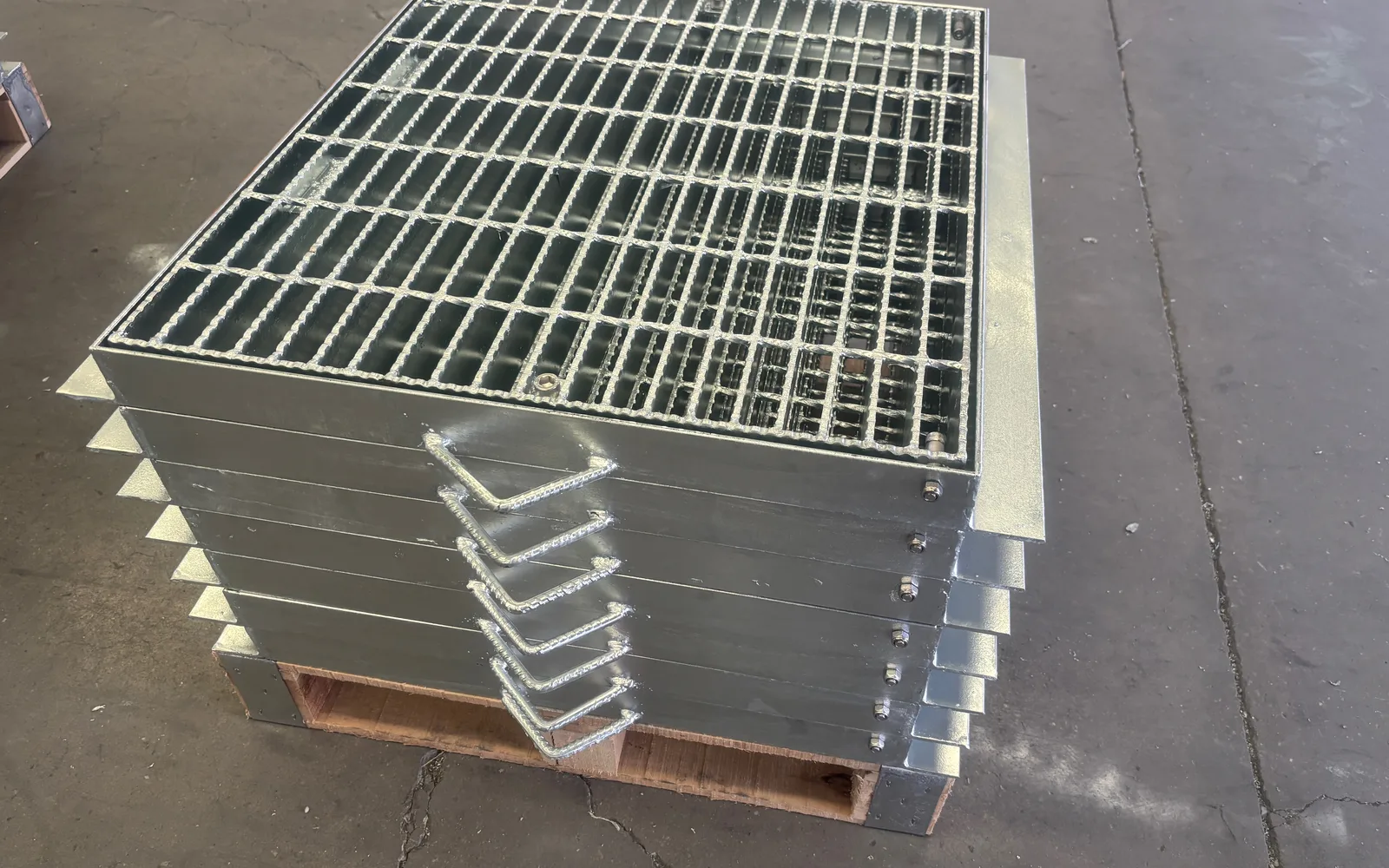
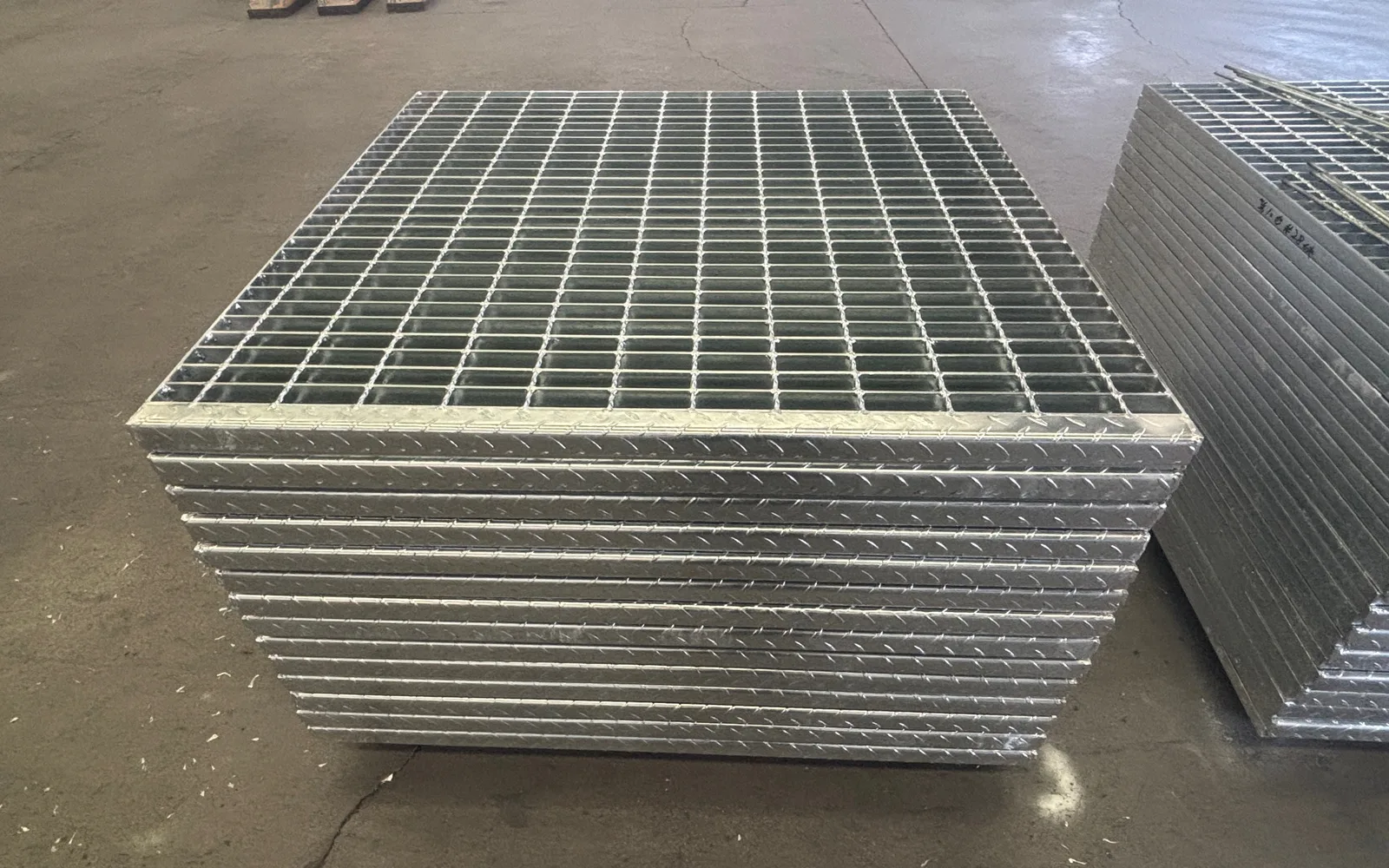
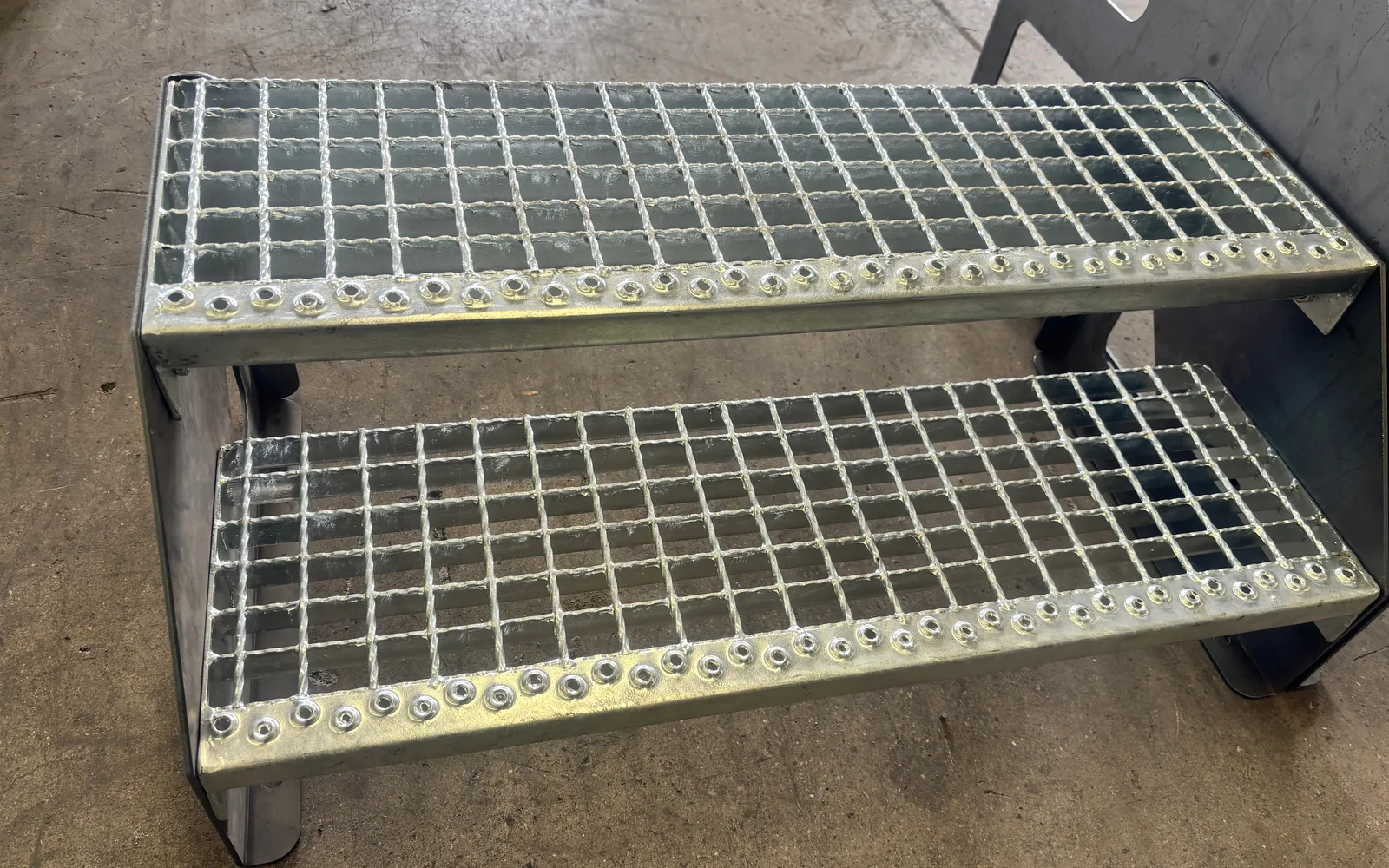
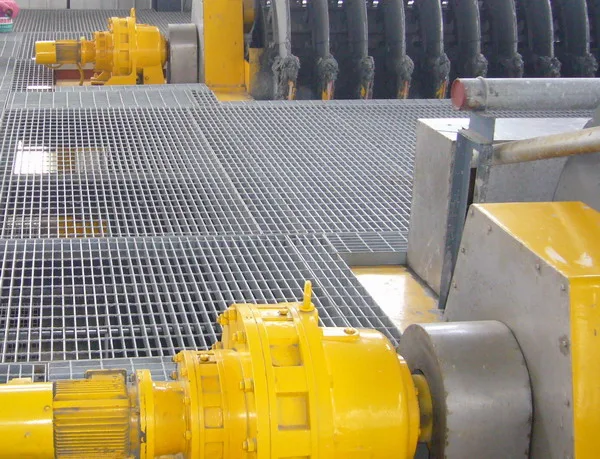
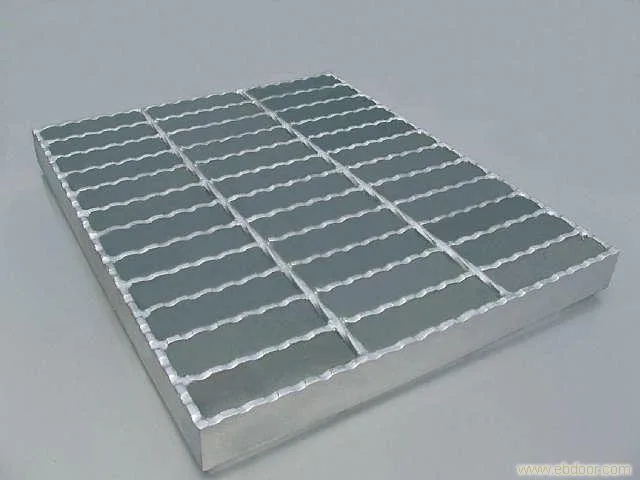
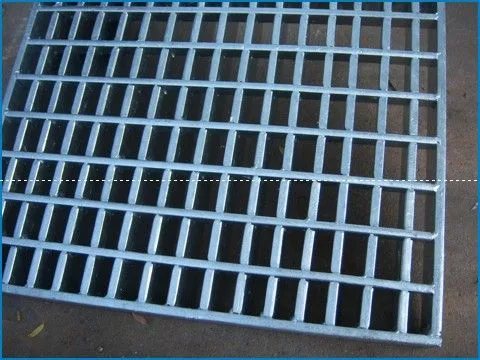
This article introduces stainless steel grating in the order of what it is, material and anti-corrosion requirements, and basic concepts. Each part gives actionable judgment methods; for quick conclusions read the key points at the start of each part. The same applies to hot-dip galvanized steel grating.
What Is Steel Grating
Below we first briefly explain the relevant concepts and basic construction to make the following parameters and sizing content easier to understand.
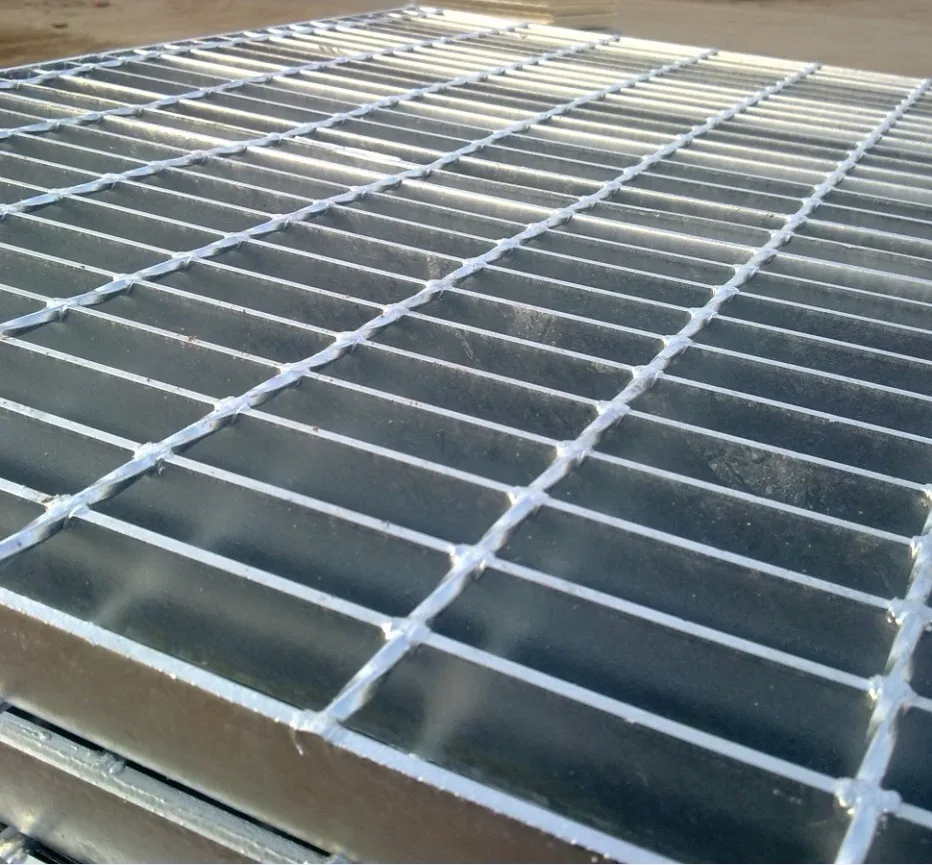
Stainless steel grating is a type of steel grating, but differs from ordinary grating. First in material: stainless steel grating uses stainless steel while ordinary grating uses carbon steel or stainless steel. Second, its surface receives no anti-corrosion treatment such as painting or hot-dip galvanizing; instead it is polished to remove welding slag and marks. The stainless steel used has different grades and compositions; common grades for grating are 304, 201, 316, 316L, 310 and 310S, chosen according to actual conditions and requirements.
Once you grasp these basic concepts, the specifications and sizing recommendations that follow will be much easier to understand.
Actual parameters of the same model may vary slightly between manufacturers; acceptance should be based on measured values. Sample-check key dimensions of stainless steel grating, especially for bulk deliveries. Check parameters of hot-dip galvanized steel grating the same way and communicate deviations promptly.
Material and Anti-Corrosion Requirements
Common materials and surface treatments are as follows:
Welding wire on stainless steel platform grating leaves black weld spots that look unsightly, so stainless steel grating requires polishing. Its production process is almost identical to ordinary grating; it simply skips painting or hot-dip galvanizing and instead uses surface polishing to remove welding slag and scars, making the surface bright as new and the whole panel attractive. Basic welding requirements apply: weld points must be firm, without weld seams, burrs or other defects, and welded surfaces must be flat and smooth.
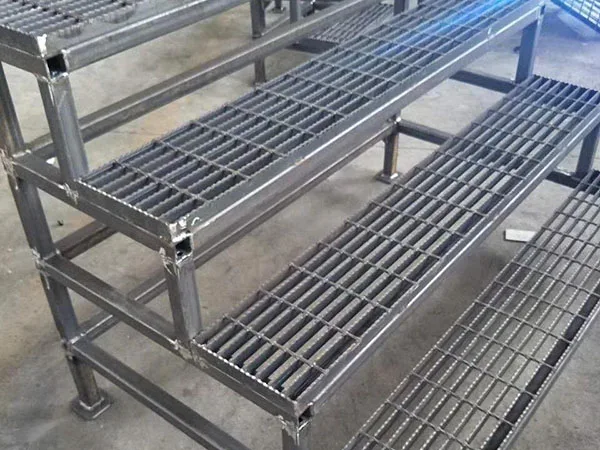
Polishing makes metal surfaces very bright and glossy; stainless products are usually polished for appearance. Polishing methods include physical and chemical treatments. Besides removing impurities and the iron-rich layer from the stainless substrate, polishing gathers chromium and nickel on the surface to form a passive film, improving rust resistance 2-3 times. After electropolishing, stainless steel grating is bright as new, attractive, rust-free and long-lasting. Only after polishing can stainless steel grating be considered a true finished product.
Once material and surface treatment are decided, we recommend writing zinc coating thickness and appearance requirements into the technical agreement.
Do not simply pursue the highest grade in material selection. Materials should match load requirements and service environment; over-specifying adds unnecessary cost. For corresponding treatments of hot-dip galvanized steel grating, refer to the product page and select per actual conditions.
Further notes: How to combine hot-dip galvanized steel grating and hot-dip galvanized steel grating in use
If a project uses both hot-dip galvanized steel grating and hot-dip galvanized steel grating, we recommend planning them on the same layout drawing. This way edge closing, fixing and cutouts at junctions can be handled uniformly, avoiding dimension conflicts during installation and making later maintenance easier.
- For all product specifications and theoretical weights by series, visit Steel Grating Product Center
- To estimate cost by size and quantity, use Instant Quote PageSubmit Requirements
- To see how similar projects were executed, refer to Project Cases field applications
FAQ
What information is needed for custom sizes?
Usually you need to provide the panel dimensions (length x width), bearing bar specs and direction, center-to-center pitch of bearing bars and cross bars, surface treatment, and special requirements such as cutouts, corner notches and banding. Site photos or sketches are even better.
Can the values in the article be applied directly?
Values in this article come from relevant standard clauses or common industry practice. For actual selection, recalculate based on site span, load class and service environment; direct copying is not recommended.
What is most often overlooked during installation and acceptance?
First, bearing bars installed in the wrong direction reduce load capacity; second, insufficient fixing points or missing zinc touch-up paint; third, support beam spacing inconsistent with the layout drawing. These three items are most often overlooked on site.
The above is for sizing and construction reference. To verify specific parameters or request a quotation, please visitInstant Quote Page, or contact our technical staff.
If you already have drawings or site dimensions, submit them directly and we will help verify specifications and layout, avoiding on-site cutting and rework caused by mismatched models. Without drawings, site photos and approximate dimensions are enough for an estimate.