
Regarding press-locked steel grating, this article explains what it is (also called press-lock grating), points to note during production and basic concepts in turn, giving directly actionable criteria rather than theory alone. If you have drawings or site dimensions, check them against the points here; hot-dip galvanized steel grating can follow the same sequence.
Points to note in production of press-locked steel grating, also called press-lock steel grating
Typical production steps and control points are as follows:
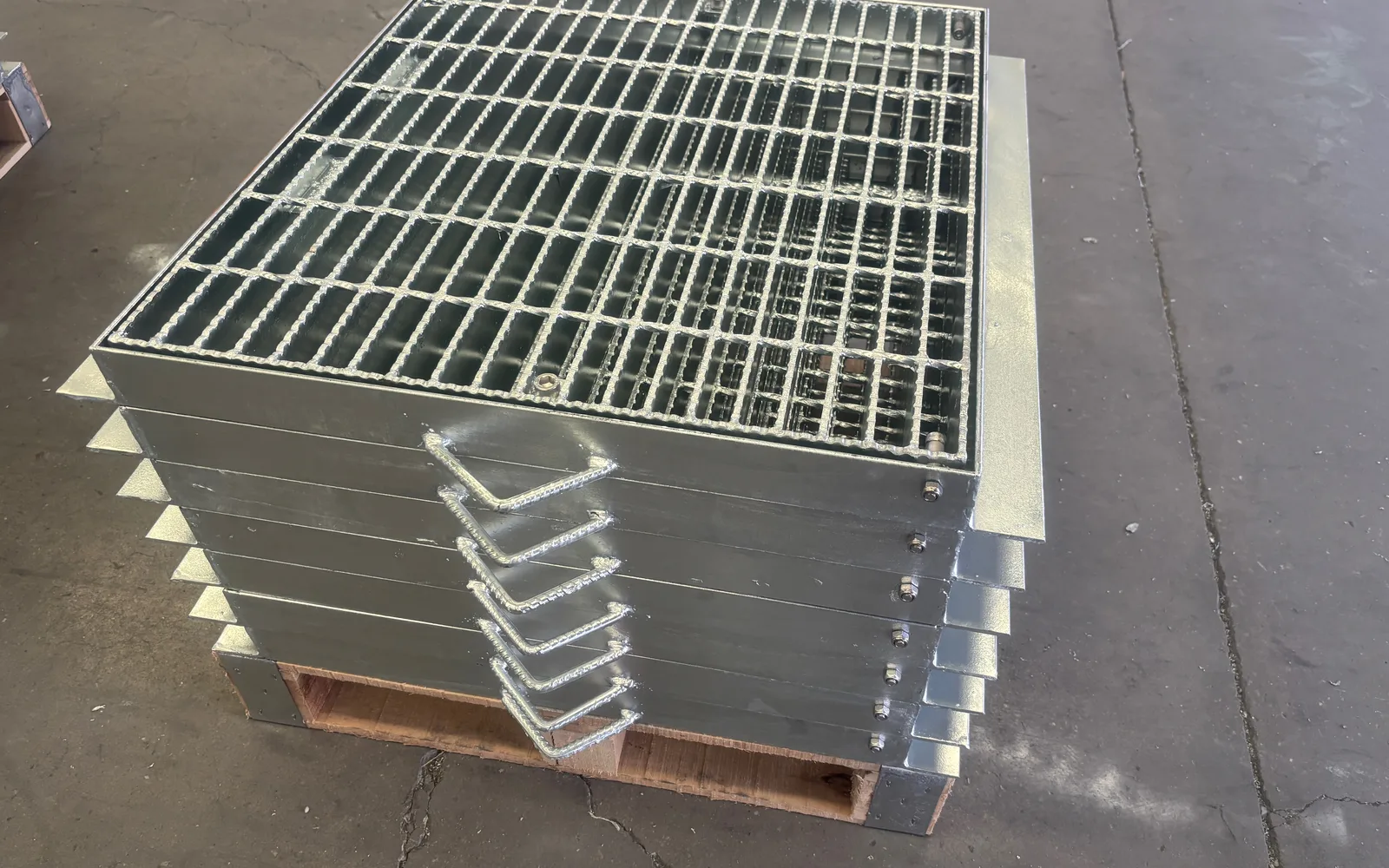
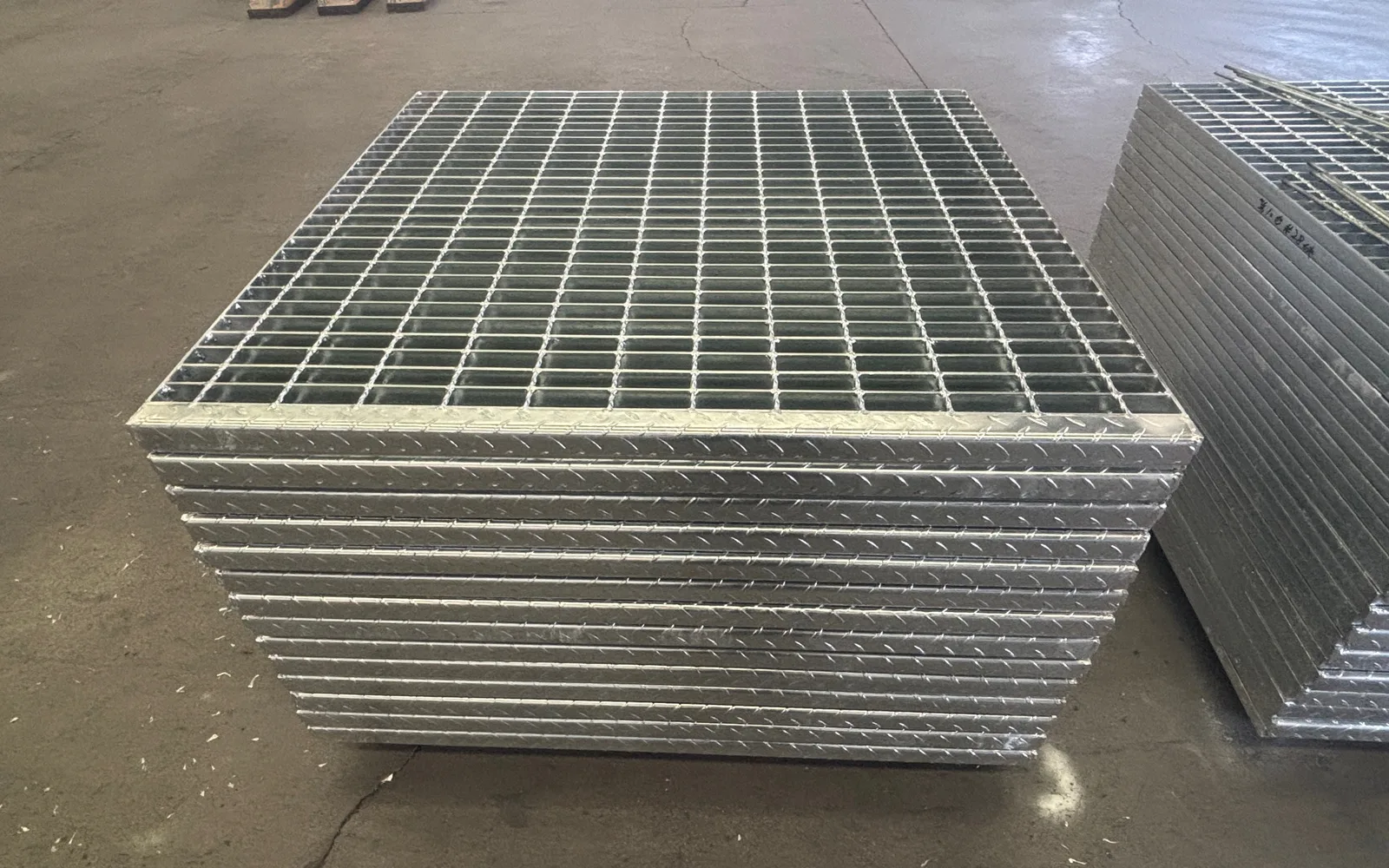
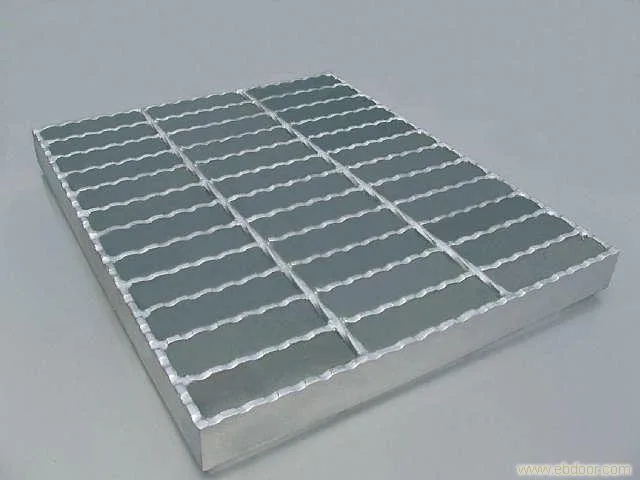
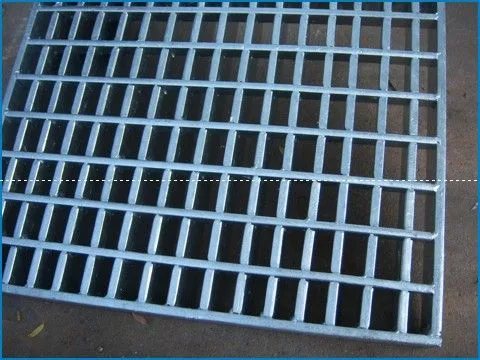
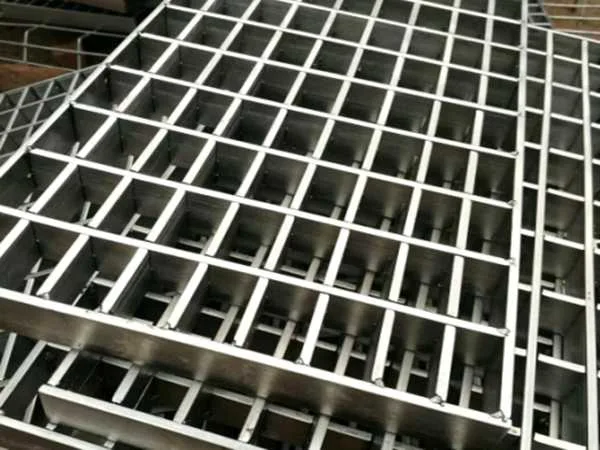
Press-locked steel grating is a type of steel grating, also known as interlocked steel grating or press-lock steel grating. It is made from plain carbon flat bars, stainless steel, brass plate or aluminium plate of given sizes through slotting (punching), interlocking, welding and finishing.
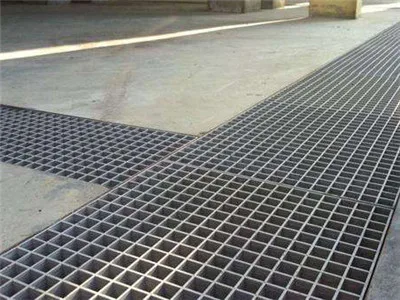
Press-locked steel grating combines the high strength, corrosion resistance and low maintenance of standard steel grating with its own features: uniform and precise assembly, light and elegant structure, natural harmony and refined style.
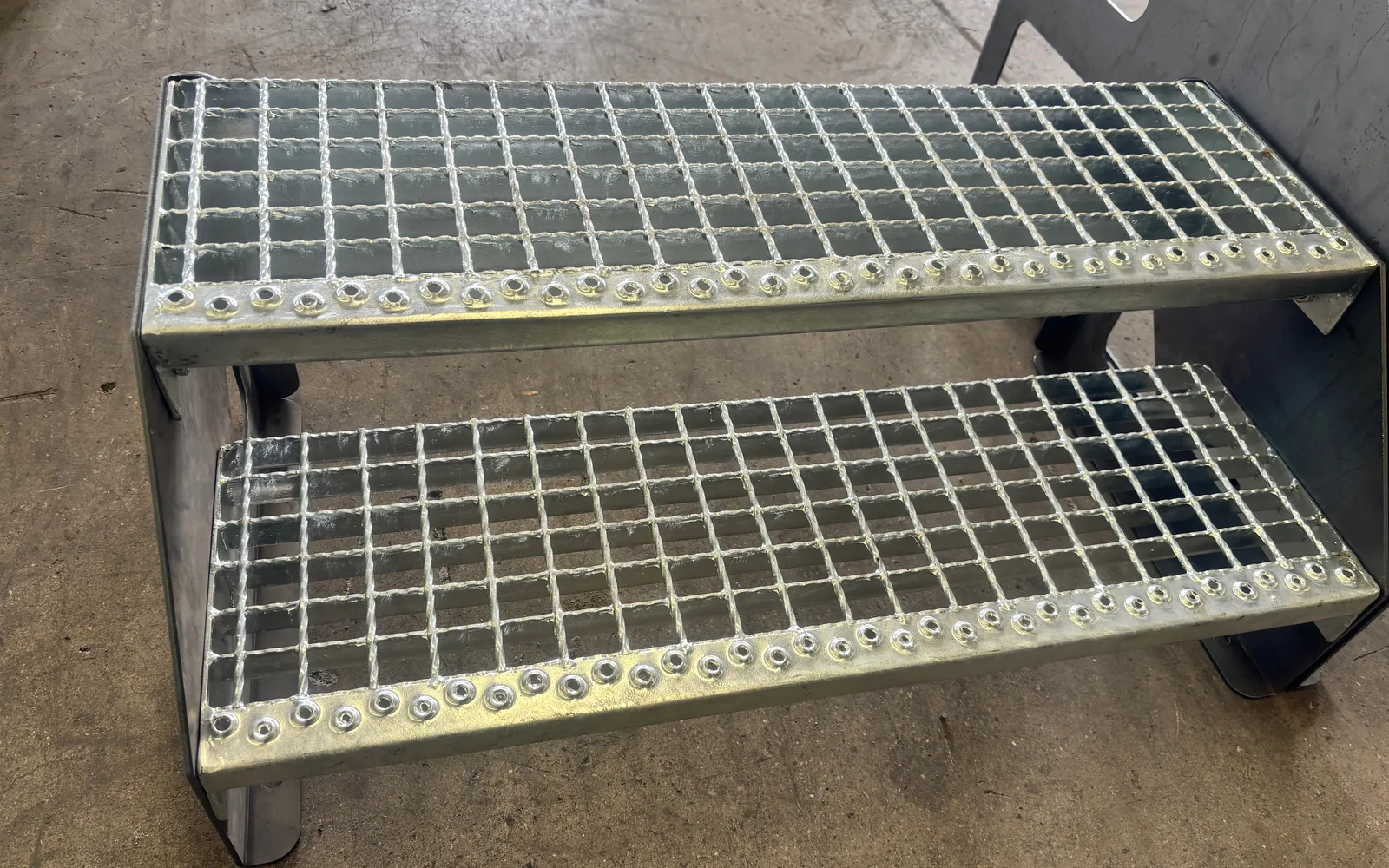
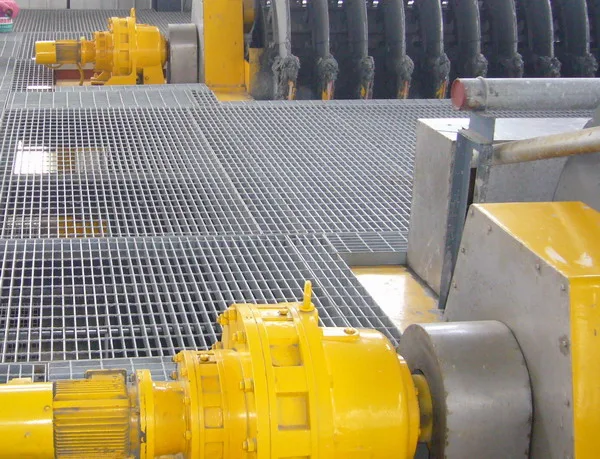
Press-locked steel grating can be widely used for trench covers, steel stair treads and pit covers.
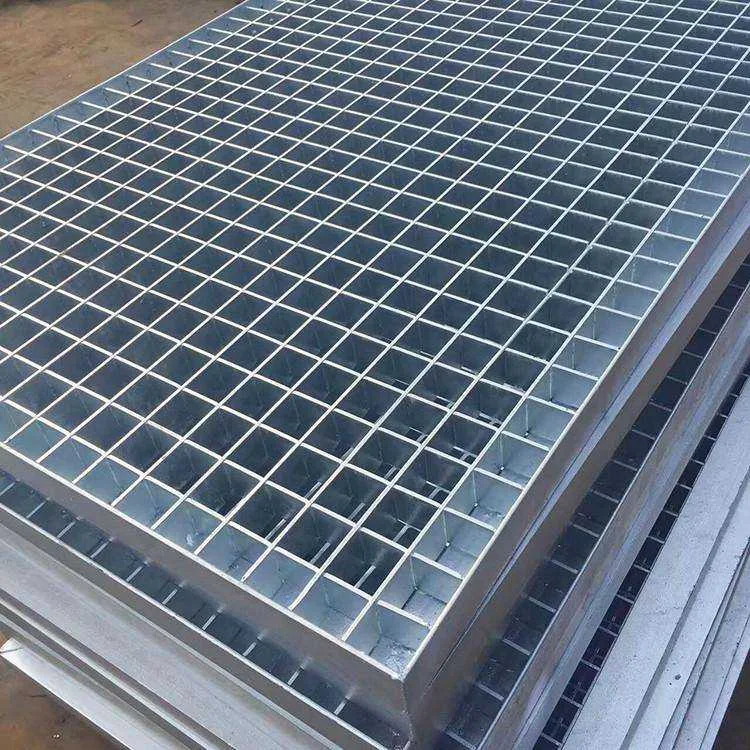
Only when control points of each process are implemented can dimensional accuracy and appearance quality of finished products be guaranteed.
A practical tip for specification confirmation: list the flat bar size, bearing bar pitch, cross bar pitch and overall dimensions together on the purchase order. Listing only one or two of them often results in a delivery mismatch. The full specification notation for press-locked steel grating is given on the product page; number each panel against the layout drawing before ordering, and the same applies to galvanized steel grating.
What Points Need Attention in the Production of Press-Locked Steel Grating?
Main processing steps and requirements are as follows:
- When punching press-locked steel grating, check whether the holes are uniform and to standard; whether the raw flat bars deform or bend after punching, whether this affects welding, and whether asymmetric openings cause hole distortion and quality problems in the grating.
- Check whether the welding of press-locked steel grating is firm and neat, whether there are cold welds or missed welds, whether the diagonals are parallel, and whether weld points have opened - all of which affect the quality and appearance of the grating.
- Finally, press-locked steel grating can be finished by hot-dip galvanizing, cold galvanizing or spray painting for surface treatment.
Only when control points of each process are implemented can dimensional accuracy and appearance quality of finished products be guaranteed.
The process choice directly determines the finished performance of press-locked steel grating. Welding and press-locking each suit different situations, so neither is simply better; the choice depends on load requirements and service environment. The same logic applies to process selection for galvanized steel grating.
Further notes: How to combine hot-dip galvanized steel grating and galvanized grating in use
If a project uses both hot-dip galvanized steel grating and galvanized grating, we recommend planning them on the same layout drawing. This way edge closing, fixing and cutouts at junctions can be handled uniformly, avoiding dimension conflicts during installation and making later maintenance easier.
- For all product specifications and theoretical weights by series, visit Steel Grating Product Center
- To estimate cost by size and quantity, use Instant Quote PageSubmit Requirements
- To see how similar projects were executed, refer to Project Cases field applications
FAQ
Can the values in the article be applied directly?
Values in this article come from relevant standard clauses or common industry practice. For actual selection, recalculate based on site span, load class and service environment; direct copying is not recommended.
Why do different manufacturers quote different weights for the same specifications?
The main difference lies in the actual measured thickness and tolerance control of the bearing bars. When bars are supplied at the lower tolerance limit, weight per unit area falls below the theoretical value, and load capacity drops accordingly. We recommend specifying thickness tolerance clearly when purchasing.
How to choose between hot-dip galvanizing and cold galvanizing?
The two anti-corrosion mechanisms differ: hot-dip galvanizing immerses steel in molten zinc to form a metallurgically bonded coating, thick and long-lasting, suitable for outdoor and humid environments; cold galvanizing is electrochemical deposition with a thinner, more uniform appearance, suitable for dry indoor environments or applications requiring high dimensional precision.
The above is for sizing and construction reference. To verify specific parameters or request a quotation, please visitInstant Quote Page, or contact our technical staff.
Note that this article presents sizing approaches and general practice, and does not constitute a strength commitment for any specific project. For load-bearing safety-critical areas, the design drawings and on-site calculations shall prevail; contact our technical staff if in doubt.