
On steel grating manufacturing processes and platform steel grating, this article covers fabrication methods, classification of platform steel grating, and basic concepts in turn, giving actionable criteria rather than theory alone. Those with drawings or site dimensions can check against the key points; welded steel grating can follow the same order.
How Steel Grating Is Made
Main processing steps and requirements are as follows:
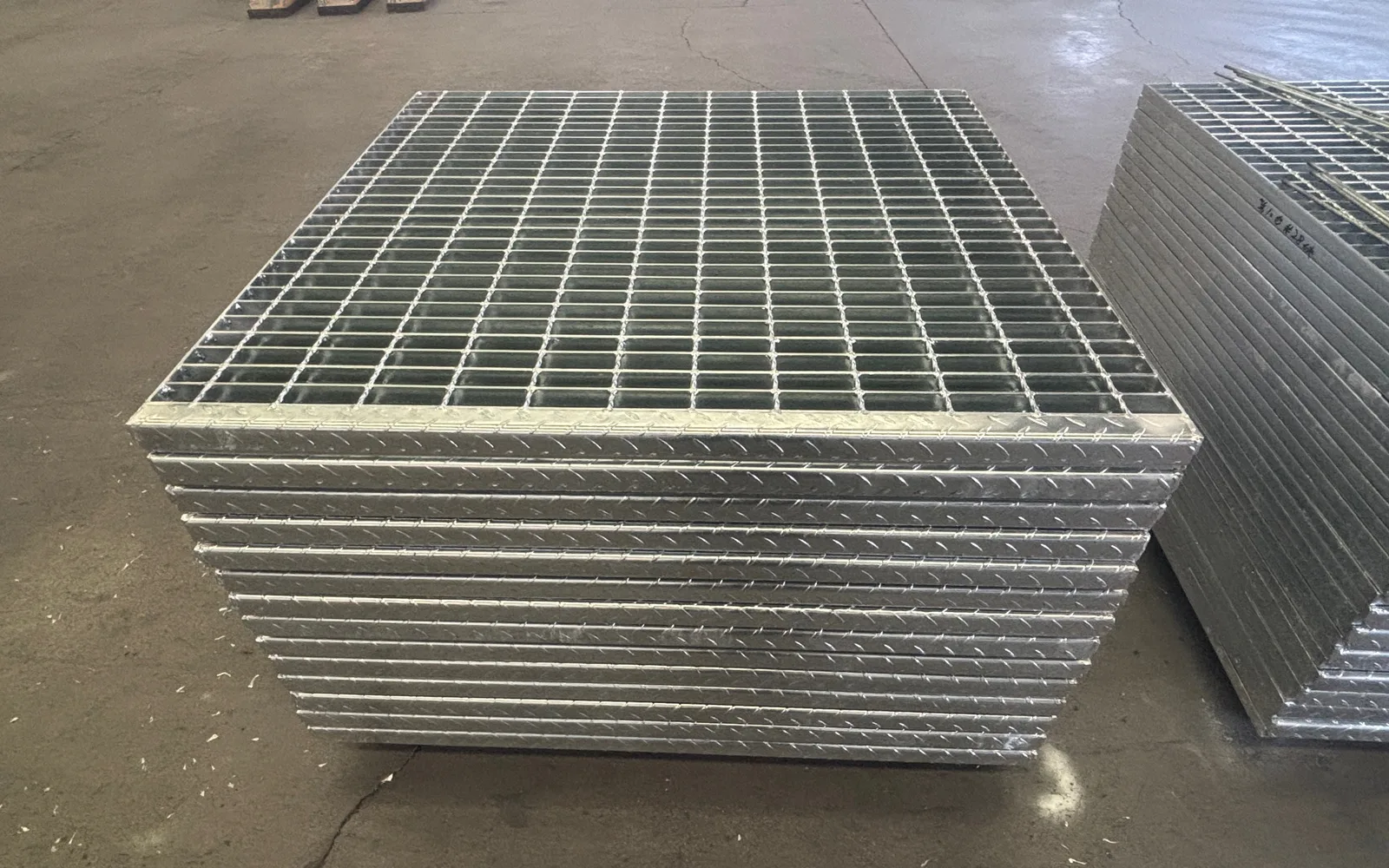
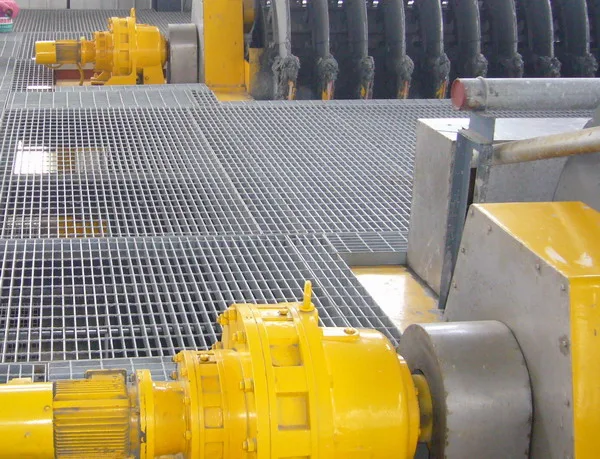
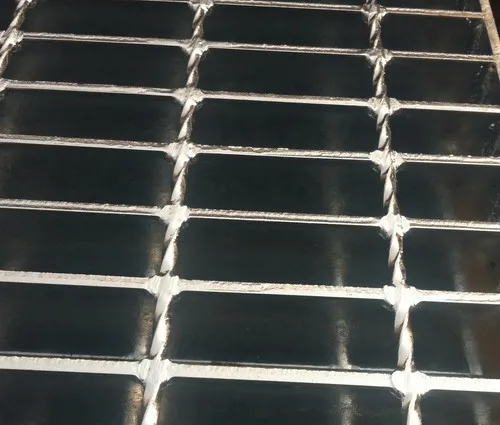
There are two methods: machine pressure welding and hand fabrication. Machine pressure welding uses a high-pressure resistance welding machine; a robotic arm automatically lays cross bars over evenly arranged bearing bars, and powerful welding power and hydraulic force press the cross bars into the bearing bars, yielding high-quality grating with firm, stable weld points and very high stability and strength. In hand fabrication, holes are first punched in the bearing bars and the cross bars are inserted and tack-welded; gaps exist between cross bars and bearing bars, and not every contact point can be welded, so welding is less secure and strength is reduced. Applications: steel grating is widely used in petrochemicals, municipal engineering, port engineering, machinery, power and water plants, the steel industry, manufacturing, food processing, and many other industries.
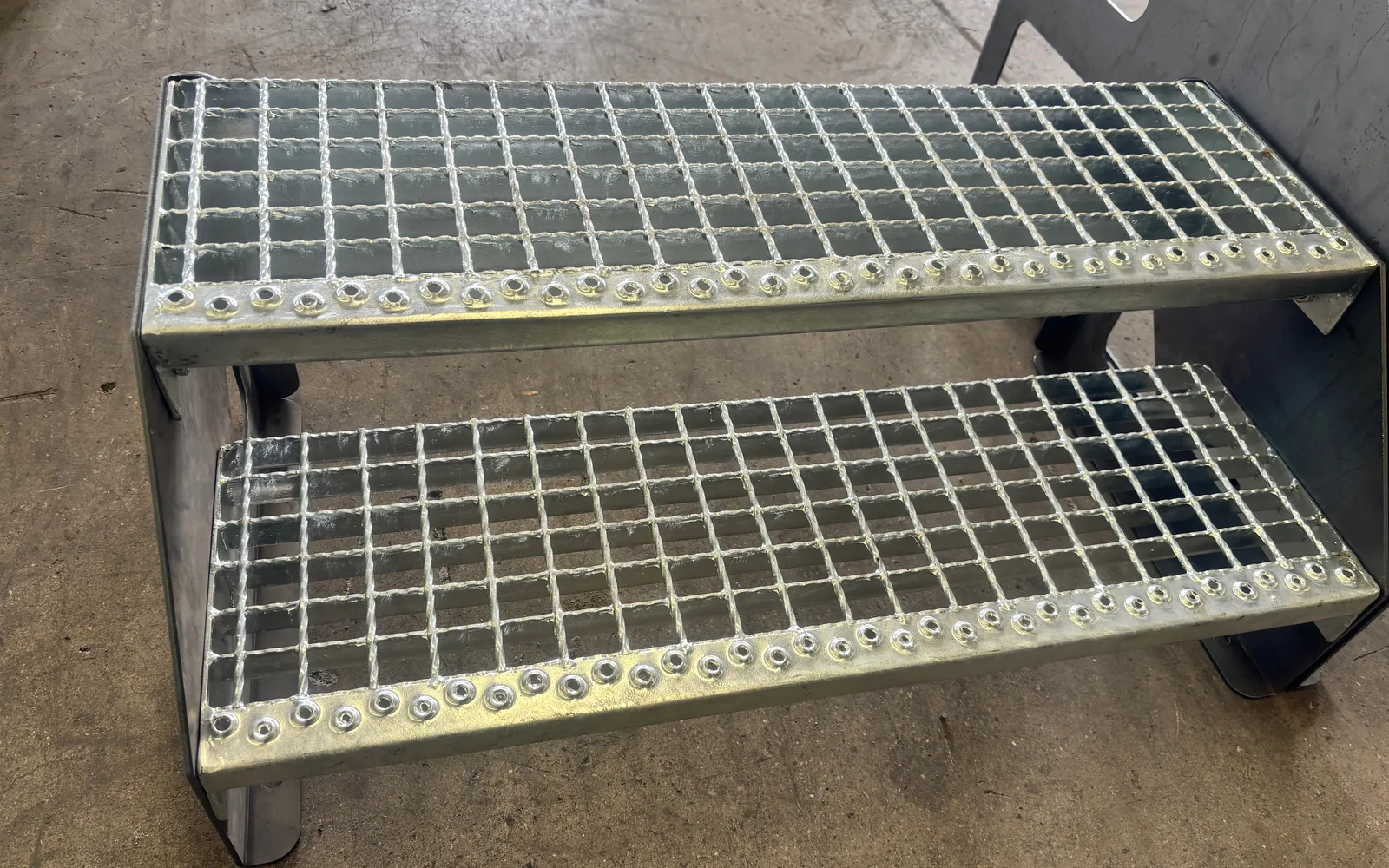
This is an economical, simple-structure anti-slip steel grating comprising a fixed frame and bearing bars and cross bars arranged in a grid within it; the bearing bars are inclined along the vertical direction of the frame. With the bars inclined, the sole contacts a larger area when walking, improving foot comfort and effectively increasing friction; while walking, the inclined bars act like reversed teeth, preventing the sole from slipping under force. As an optimization, adjacent bars are inclined in opposite directions so the surface is non-slip when walking in either direction. To prevent cross bars protruding above the bar surface from causing bumps, the highest point of the cross bars is below or flush with the bearing bars. The structure is simple, effectively enlarges sole-to-bar contact area, increases friction for an anti-slip effect, and the inclined bars act like reversed teeth to prevent slipping under force.
Steel grating quality is inseparable from raw material producers and suppliers, which require consistent, stable material quality. Using quality materials improves product quality, grade, reputation, and production efficiency to some extent, raises the performance-to-price ratio, and lowers relative costs. Domestically produced materials now match imported ones in both product quality and grade.
Only when control points of each process are implemented can dimensional accuracy and appearance quality of finished products be guaranteed.
From order to delivery, the main intermediate steps for steel grating manufacturing and platform steel grating are layout confirmation and surface treatment, both relatively fixed in time. If the schedule is tight, confirm the layout drawing first; production of welded steel grating can proceed in parallel.
Classification of Platform Steel Grating
Common classification methods are as follows:
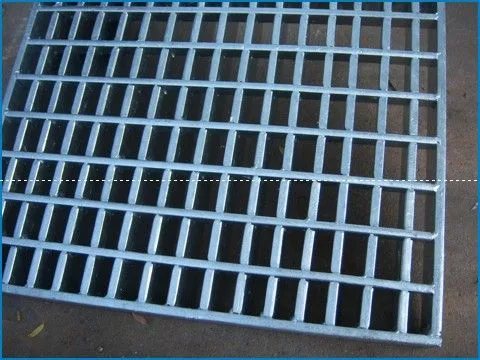
1 By welding method: press-welded platform steel grating, interlocked platform steel grating, lock-bar platform steel grating, and through-welded platform steel grating
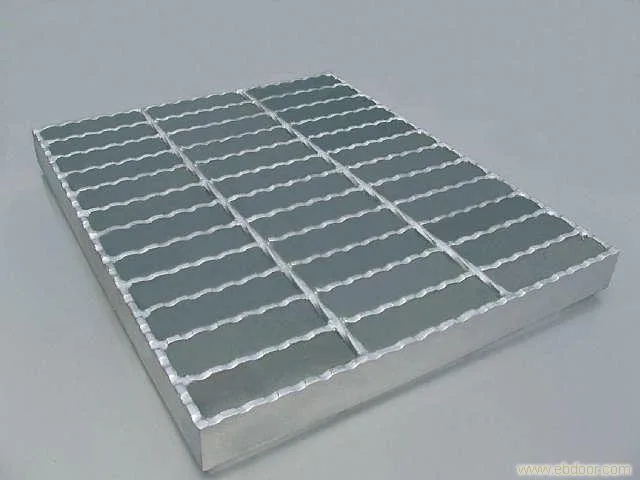
2 By the side-surface shape of the bearing bars: plain steel grating, serrated steel grating, and I-type steel grating
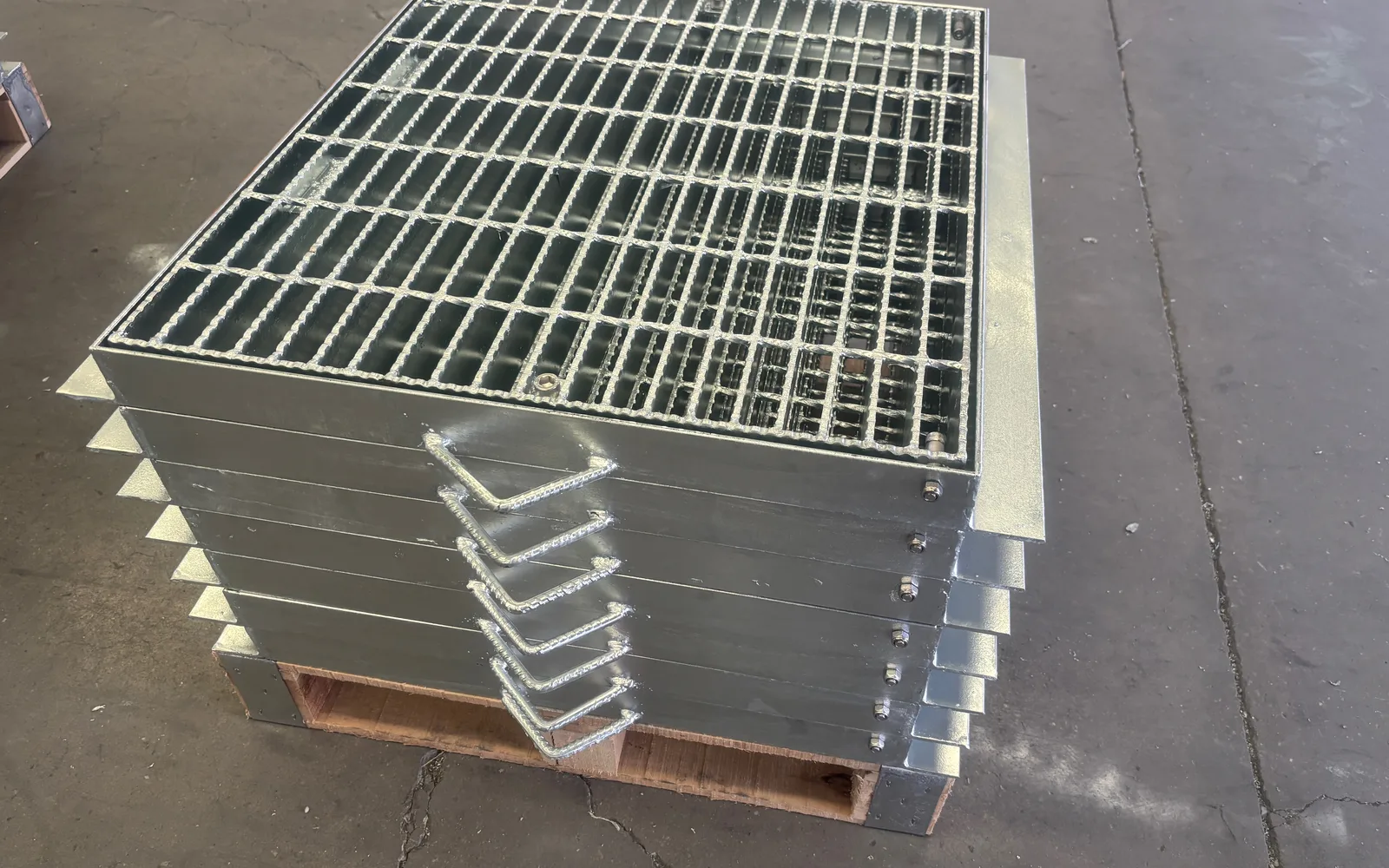
3 By use: general-purpose steel grating and special-purpose steel grating, such as trench covers, stair treads, etc.
4 By bearing bar pitch: the center distance between two adjacent bearing bars, commonly 30MM, 40MM and 60MM.
5 By cross bar pitch: the center pitch of adjacent cross bars is usually 50MM or 100MM, two types."
Determine the category first and then the specific model; this saves detours and makes comparison with other materials easier.
In process sequencing, steel grating manufacturing generally follows blanking, welding or press-locking, trimming, and surface treatment; each step affects final quality. Surface treatment is usually last; if secondary processing is needed in between, the coating protection of welded steel grating should be restored accordingly.
Further Reading: Selecting Welded Steel Grating and Steel Grating
Steel grating is often used together with the components mentioned in this article. The two differ in load-bearing mode and installation practice; when combining them, pay special attention to the connection of support conditions and fixing methods - the junction is where problems most often occur. If unified drawings are needed, submit the dimensions of both component types together for processing under the same layout logic.
- For all product specifications and theoretical weights by series, visit Steel Grating Product Center
- To estimate cost by size and quantity, use Instant Quote PageSubmit Requirements
- To see how similar projects were executed, refer to Project Cases field applications
FAQ
Why do different manufacturers quote different weights for the same specifications?
The main difference lies in the actual measured thickness and tolerance control of the bearing bars. When bars are supplied at the lower tolerance limit, weight per unit area falls below the theoretical value, and load capacity drops accordingly. We recommend specifying thickness tolerance clearly when purchasing.
What maintenance is required during daily use?
Maintenance mainly involves periodically checking whether fasteners are loose, whether touch-up paint has peeled off, and whether the panel surface shows obvious deformation or rust. Issues found should be dealt with promptly; overall maintenance is minimal.
How to choose between hot-dip galvanizing and cold galvanizing?
The two anti-corrosion mechanisms differ: hot-dip galvanizing immerses steel in molten zinc to form a metallurgically bonded coating, thick and long-lasting, suitable for outdoor and humid environments; cold galvanizing is electrochemical deposition with a thinner, more uniform appearance, suitable for dry indoor environments or applications requiring high dimensional precision.
The above is for sizing and construction reference. To verify specific parameters or request a quotation, please visitInstant Quote Page, or contact our technical staff.
Note that this article presents sizing approaches and general practice, and does not constitute a strength commitment for any specific project. For load-bearing safety-critical areas, the design drawings and on-site calculations shall prevail; contact our technical staff if in doubt.