







Many projects focus only on price when purchasing steel grating and overlook specification matching and anti-corrosion requirements, which often leads to rework later. Following the order of installation and construction points, typical applications, and basic concepts, this article lists the conditions that need to be confirmed one by one and explains how to choose under common working conditions. The parts relating to galvanized steel grating can be used directly as a reference for technical briefings.
Steel Grating Installation and Construction Key Points
On-site construction generally follows the steps and technical requirements below; complete the technical disclosure before starting work:
Steel grating installation clips are divided into three types by structure:Type A (upper clip)hooks the top edge of the flat bearing bar;Type B (lower clip / M clip)grips the steel beam from below;Type C (side clip)used for side fixing of stair treads. Together with bolts, the three types lock the grating onto the steel beam.
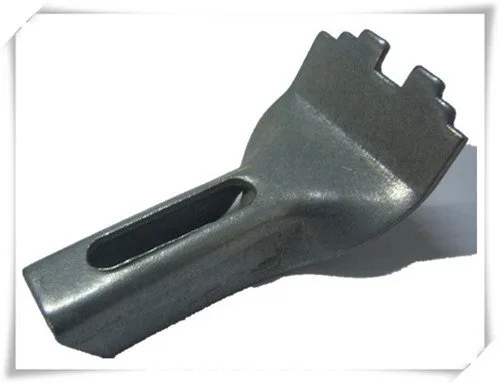
Matching parts:M8/M10 stainless steel or hot-dip galvanized bolts, spring washers for locking, and plastic bottom caps for finish. The advantage of installation clips is that they do not damage the zinc coating and can be removed for maintenance; each panel should be fixed at no fewer than 4 points, with additional fixings at ends and corners. In high-vibration areas, clips combined with welding are recommended for double security.
| Model | Function | Position |
|---|---|---|
| Model | Function | Position |
| Type A upper clip | Hooks the top edge of the bearing bar | Panel surface |
| Type B lower clip | Grips the steel beam | Below the beam |
| Type C side clip | Tread side fixing | Side edge |
After installation, check each panel's fixing points and flatness; put into use only after confirming no warping or looseness.
Choosing a surface treatment is essentially a trade-off between initial cost and later maintenance. Requirements for steel grating used in dry indoor environments can be relaxed somewhat, while outdoor or humid environments call for a higher grade. The same logic applies when selecting hot-dip galvanized steel grating.
Typical Applications
Typical applications mainly include the following categories, which can help you judge suitability for your project:
- Industrial Platforms & Maintenance Walkways: equipment platforms and inspection passages in power plants, chemical plants and steel-structure workshops;
- Municipal & Landscape: road drainage trench covers, rainwater grates, tree grates, park boardwalks;
- Transportation & Ports: wharf trestles, multi-story parking garage lanes, railway bridge walkways;
- Environmental & Water Treatment: walkways in wastewater treatment plants, tank platforms, screening machine platforms;
- Others: elevated tower platforms, stair treads, fences and railings, etc.
If your working conditions fall outside the above range, you can provide site photos and dimensions, and our technicians will help assess them.
To quickly judge whether steel grating is suitable for a given location, consider three aspects: whether corrosive media are present, whether pedestrian or vehicle traffic is involved, and the approximate span. Once these are clear, you can basically determine the required specifications and surface treatment for hot-dip galvanized steel grating.
Key Conditions to Confirm During Selection
- First clarify the span and support beam spacing to determine the required series;
- Then check load requirements by usage type (pedestrian, maintenance, vehicular);
- Finally, determine the surface treatment by service environment (dry indoor, outdoor, coastal, chemical).
What is most easily overlooked in spec tables are tolerances and end treatment. Steel grating usually has machining allowance in the length direction; if embedded installation is used on site, edge closing and corner notch requirements must be stated in advance. Hot-dip galvanized steel grating is handled similarly in these details; we recommend marking them clearly on the drawings as well.
Further notes: How to combine galvanized grating and hot-dip galvanized steel grating in use
Galvanized grating and hot-dip galvanized steel grating are different specification forms within the same product system. The selection logic is the same as described in this article: first the usage type, then span and load to determine specifications, and finally the environment to determine surface treatment. Their corrosion protection and anti-slip requirements may differ; state them separately when ordering rather than writing one general technical requirement.
- For all product specifications and theoretical weights by series, visit Steel Grating Product Center
- To estimate cost by size and quantity, use Instant Quote PageSubmit Requirements
- To see how similar projects were executed, refer to Project Cases field applications
FAQ
Where can I find specific specifications?
our websiteProductsCommon specifications and theoretical weights are organized by series, also available in Instant Quote PageEstimate by size, or contact us directly for sizing advice.
What information is needed for custom sizes?
Usually you need to provide the panel dimensions (length x width), bearing bar specs and direction, center-to-center pitch of bearing bars and cross bars, surface treatment, and special requirements such as cutouts, corner notches and banding. Site photos or sketches are even better.
Can the values in the article be applied directly?
Values in this article come from relevant standard clauses or common industry practice. For actual selection, recalculate based on site span, load class and service environment; direct copying is not recommended.
The above is for sizing and construction reference. To verify specific parameters or request a quotation, please visitInstant Quote Page, or contact our technical staff.
If you already have drawings or site dimensions, submit them directly and we will help verify specifications and layout, avoiding on-site cutting and rework caused by mismatched models. Without drawings, site photos and approximate dimensions are enough for an estimate.