







About steel grating, this article covers, item by item: standard installation procedure, precautions, and basic concepts, trying to give directly executable judgment methods rather than just principles. If you have drawings or site dimensions, check them against the key points; hot-dip galvanized steel grating can follow the same judgment sequence.
Standard installation procedure
The main standard clauses and acceptance requirements involved are as follows:
① Mark out and position to determine steel beam spacing; ② Lay panels one by one, keeping the panel end lapping the beam at least 25mm; ③ Fix with mounting clips (types A/B/C) or tack welding, at least 4 points per panel; ④ Add side plates and upright bolts for stair treads; ⑤ Grind cut edges and holes and touch up with zinc paint; ⑥ Check overall levelness and firmness.
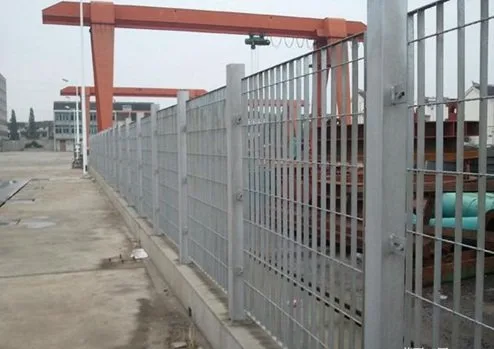
We recommend checking each clause above during acceptance and keeping the factory inspection records.
Actual parameters of the same model may vary slightly between manufacturers; acceptance shall be based on measured values. We recommend sampling key steel grating dimensions, especially for bulk deliveries. Corresponding parameters of galvanized grating can be checked the same way; communicate promptly if deviations are found.
Precautions
We recommend confirming the following factors in order according to service conditions during selection:
In areas with heavy vibration or heavy vehicle traffic, welding plus mounting clips for double fixing is recommended; welding damages the zinc layer, so weld points must be repainted; use stainless steel or hot-dip galvanized clip bolts to avoid rusting first.
| Method | Scenario | Features |
|---|---|---|
| Fixing Method | Application Scenarios | Pros and cons |
| Mounting clips | Most platforms, removable | No damage to zinc layer, anti-rust parts needed |
| Welding | Permanent fixing, high-vibration areas | Firm, weld points need repainting |
| Combined | Heavy-load / critical areas | Most reliable, higher cost |
Placing the order after confirming these items effectively avoids specification mismatch and on-site rework.
Material and surface treatment determine the on-site durability of steel grating. For the same steel grating, the treatment differs greatly between dry indoor use and coastal or chemical environments; service environment should be raised as the primary condition in selection. The same applies to galvanized grating.
Further reading: Selection points for hot-dip galvanized steel grating and galvanized grating
In engineering, galvanized grating is often used together with the components mentioned in this article. The two differ in load carrying and installation practices; when combining them, pay special attention to the connection of support conditions and fixing methods, as junction treatment is often where problems arise. For unified drawings, submit dimensions of both types and our technicians will process them under the same layout logic.
- For all product specifications and theoretical weights by series, visit Steel Grating Product Center
- To estimate cost by size and quantity, use Instant Quote PageSubmit Requirements
- To see how similar projects were executed, refer to Project Cases field applications
FAQ
What is most often overlooked during installation and acceptance?
First, bearing bars installed in the wrong direction reduce load capacity; second, insufficient fixing points or missing zinc touch-up paint; third, support beam spacing inconsistent with the layout drawing. These three items are most often overlooked on site.
Where can I find specific specifications?
our websiteProductsCommon specifications and theoretical weights are organized by series, also available in Instant Quote PageEstimate by size, or contact us directly for sizing advice.
Why do different manufacturers quote different weights for the same specifications?
The main difference lies in the actual measured thickness and tolerance control of the bearing bars. When bars are supplied at the lower tolerance limit, weight per unit area falls below the theoretical value, and load capacity drops accordingly. We recommend specifying thickness tolerance clearly when purchasing.
The above is for sizing and construction reference. To verify specific parameters or request a quotation, please visitInstant Quote Page, or contact our technical staff.
If you already have drawings or site dimensions, submit them directly and we will help verify specifications and layout, avoiding on-site cutting and rework caused by mismatched models. Without drawings, site photos and approximate dimensions are enough for an estimate.