
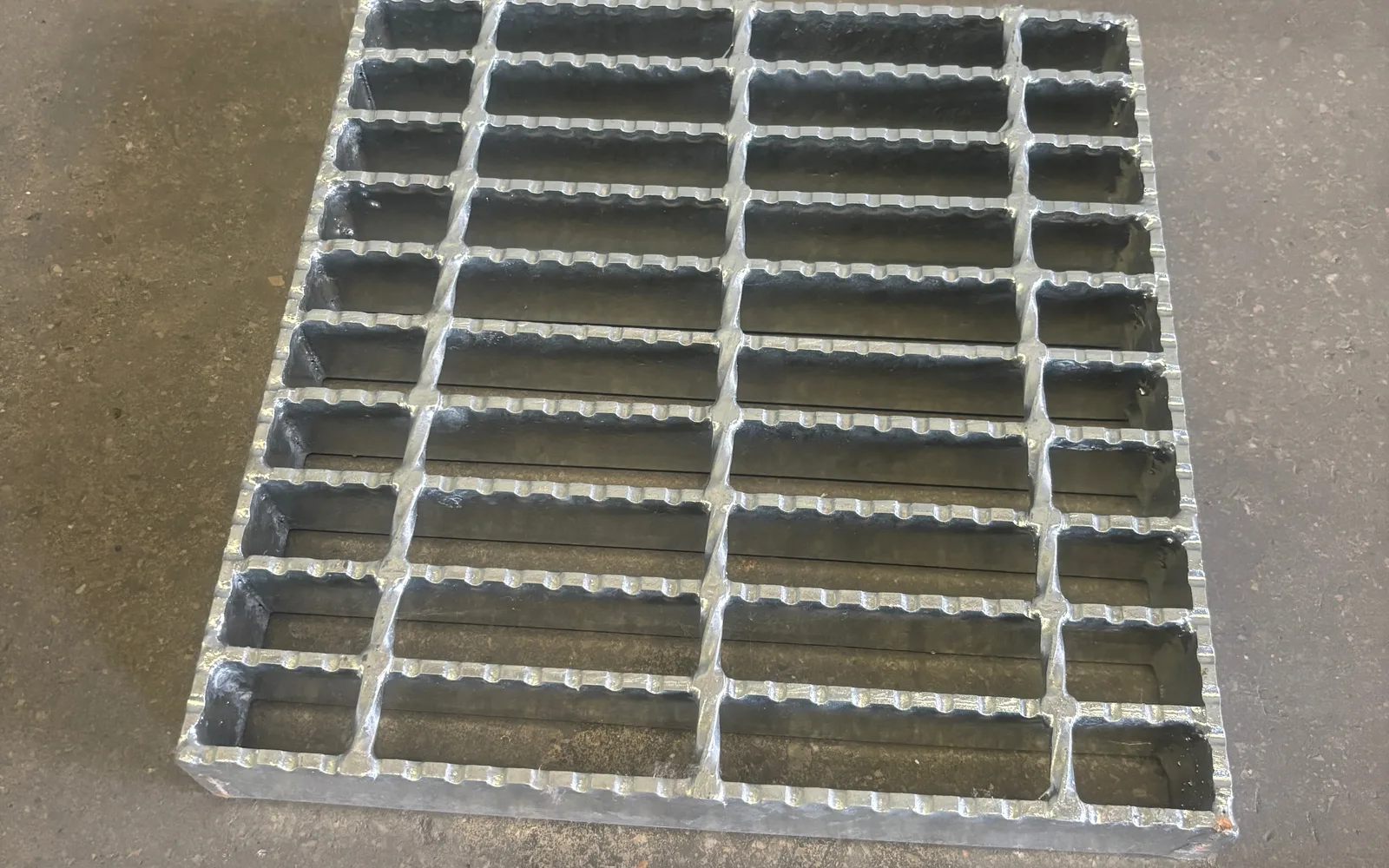
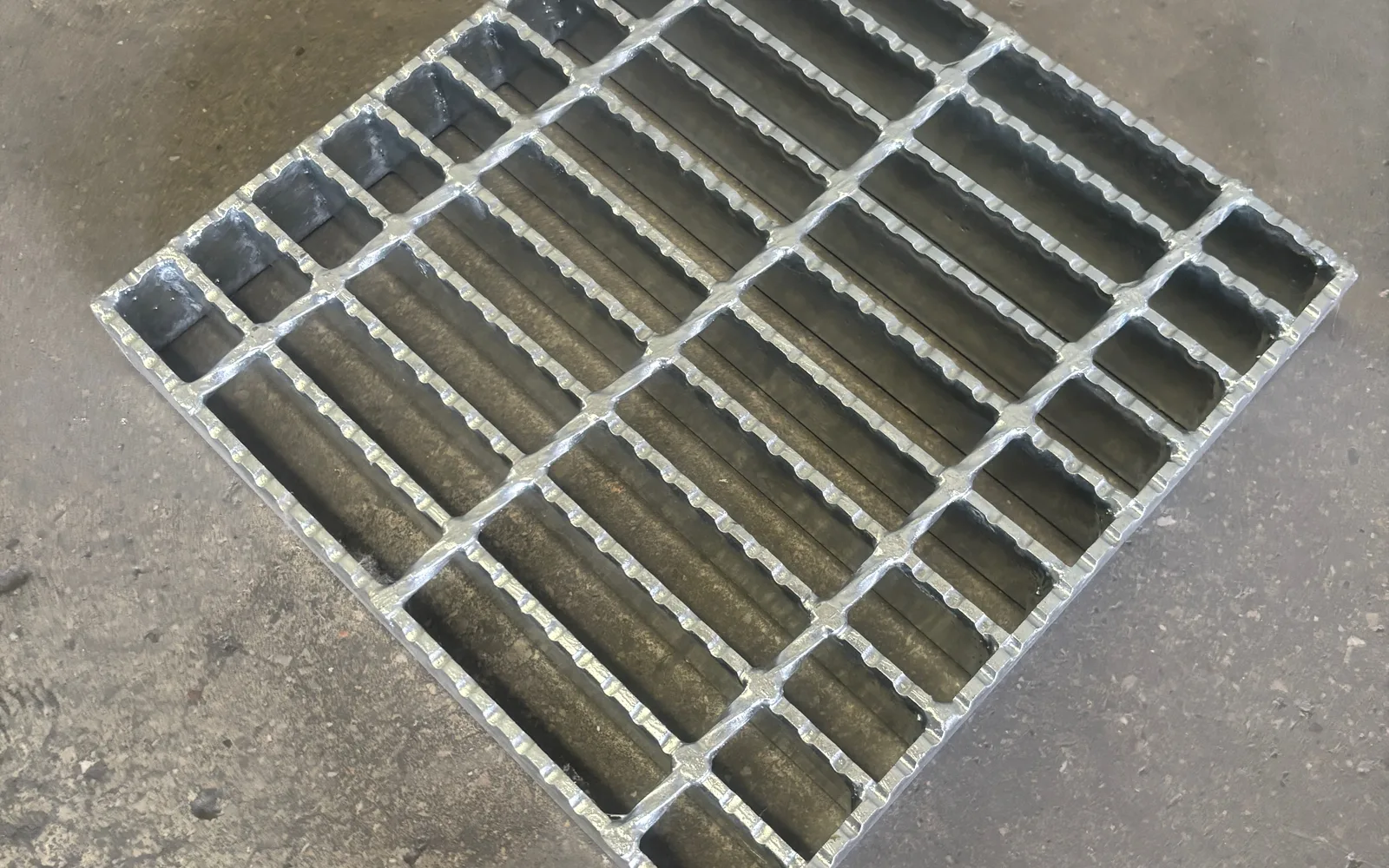
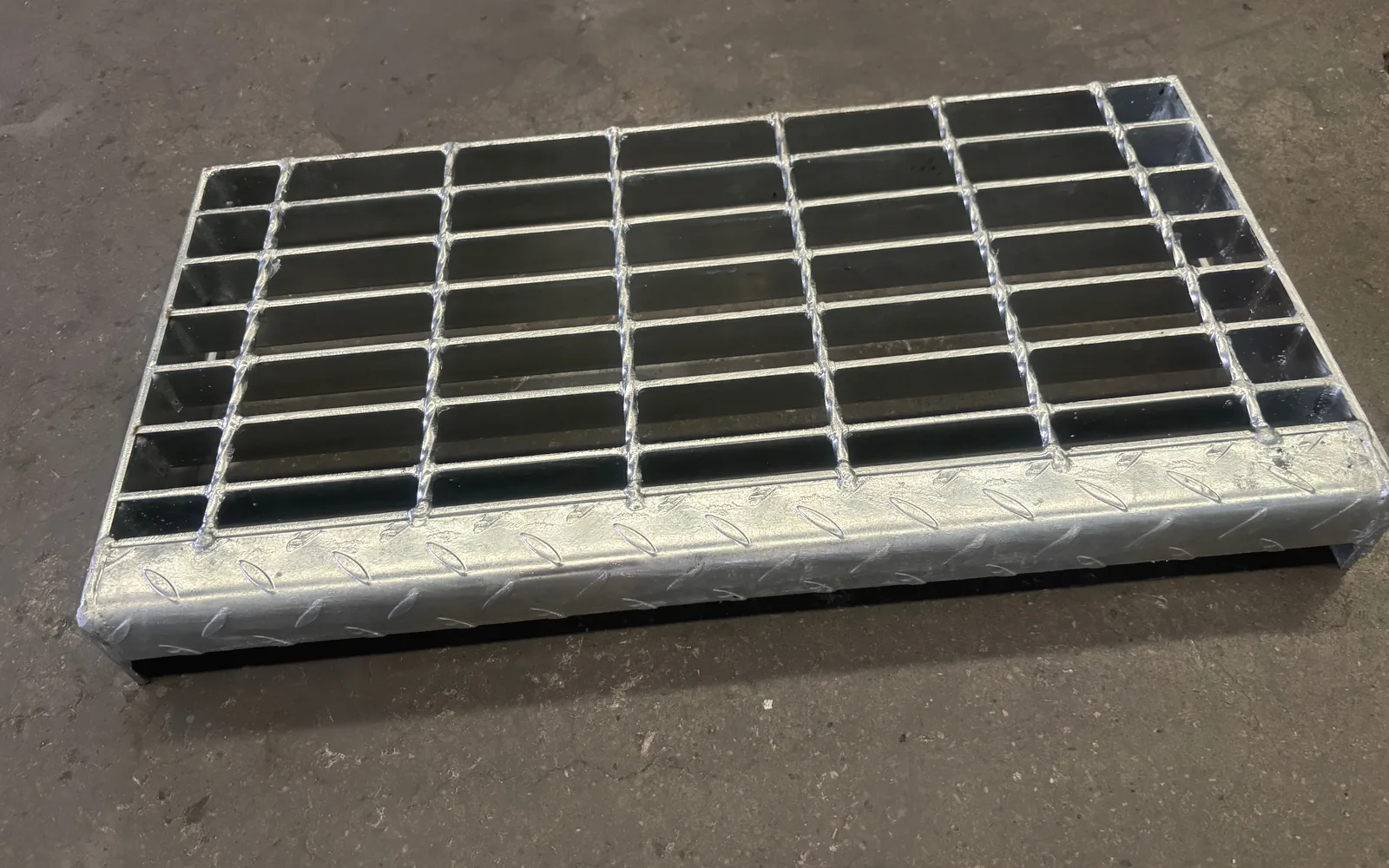




Whether steel grating stays flat and firmly seated over time depends largely on choosing the right installation clips and fitting them correctly. This page covers the matching panel type, fixing point layout, corrosion protection class and anti-theft options, with configuration advice for different scenarios that can be written directly into method statements and procurement lists.
Items to Confirm When Selecting Steel Grating Installation Clips
This page does not list a fixed specification table, as such products are usually custom-fabricated to site conditions. We recommend confirming each item in the table above before inquiry: once mismatched with actual site conditions, refabrication is often required later.ProductsCommon specifications are organized by series for reference.
| Items to Confirm | What Needs to Be Clarified | Common Practices |
|---|---|---|
| Matching panel type | Grating series and bearing bar height | Clip size must match the panel type |
| Material and corrosion protection | Keep the same corrosion protection class as the panel surface | Hot-dip galvanizing recommended for outdoor and humid environments |
| Removal requirements | Whether later maintenance access or removal is needed | Use removable clips at access points; welding is acceptable elsewhere |
| Quantity Summary | Calculate from the laying area and number of panels | Allow a small number of spare clips based on panel count |
| Installation tools | Whether a special wrench or jig is required | Special tools are recommended for bulk installation |
| Acceptance inspection | Check each panel for flatness and tightness after installation | Re-secure or adjust any loose clips promptly |
Steel Grating Accessories
To keep steel grating installation clips secure, flat and easy to remove for later maintenance, site work should follow these requirements:
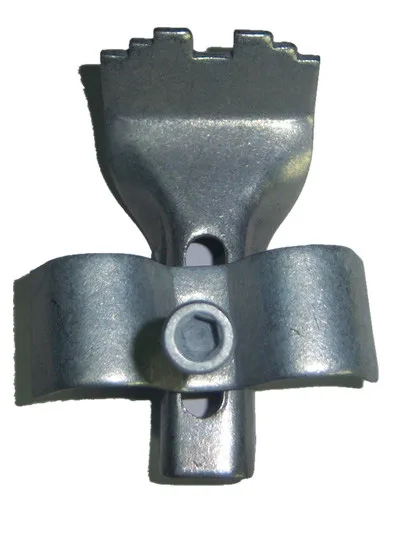
After installation, check each panel's fixing points and flatness; put into use only after confirming no warping or looseness.
Key Points in Selecting Steel Grating Installation Clips
Confirm each item in the order below during selection to avoid most later rework. Record the conclusion of each step and submit it with your inquiry:
- Step 1 - Confirm the matching panel type and bearing bar height: The clip specification must match the bearing bar height of the steel grating; clips from different panel series must not be mixed.
- Step 2 - Confirm the number of fixing points per panel: Decide based on panel length and traffic; longer panels and heavier traffic need more fixing points.
- Step 3 - Confirm the material and corrosion protection class: For outdoor or damp environments, match the panel surface protection class so the clips do not rust before the panels do.
- Step 4 - Confirm whether anti-theft clips are needed: In public areas, choose types that require a special tool for removal to reduce the risk of loss or tampering.
Once the above conditions are confirmed, proceed to Instant Quote PageEstimate quantities by dimensions, or send the condition list to customer service for model recommendations from our technicians.
Typical Applications of Steel Grating Installation Clips
Steel grating installation clips are used across industrial and municipal projects. The most typical applications are listed below to help you judge quickly whether they suit your project:
- Industrial Platforms & Maintenance Walkways: equipment platforms and inspection passages in power plants, chemical plants and steel-structure workshops;
- Municipal & Landscape: road drainage trench covers, rainwater grates, tree grates, park boardwalks;
- Transportation & Ports: wharf trestles, multi-story parking garage lanes, railway bridge walkways;
- Environmental & Water Treatment: walkways in wastewater treatment plants, tank platforms, screening machine platforms;
- Others: elevated tower platforms, stair treads, fences and railings, etc.
If your working conditions fall outside the above range, you can provide site photos and dimensions, and our technicians will help assess them.
Key Conditions to Confirm During Selection
- First clarify the span and support beam spacing to determine the required series;
- Then check load requirements by usage type (pedestrian, maintenance, vehicular);
- Finally, determine the surface treatment by service environment (dry indoor, outdoor, coastal, chemical).
Working Condition Comparison for Steel Grating Installation Clips
The same specifications last very differently in different environments. The table below gives recommended practices by common service environment for your selection reference:
| Operating Environment | Recommended Practices | Note: |
|---|---|---|
| Indoor Dry Environments | Made of standard carbon steel with surface treatment as required | Focus on span and load; environmental impact is minimal |
| Humid or Water Treatment Environments | Use a higher corrosion protection grade with matching fasteners | Regularly inspect fixing points and surface corrosion |
| Chemical or Coastal Environments | Confirm material and anti-corrosion scheme per medium | Avoid galvanic corrosion from direct contact between different metals |
| Vehicle Traffic Areas | Check load class against vehicle types | Note that bearing bars must run parallel to traffic direction |
| Pedestrian and Maintenance Walkways | Choose standard series, balancing walking comfort | Focus on surface flatness and end banding |
| Clean Rooms and Food & Pharmaceutical | Prioritize surface treatment and cleaning convenience | Avoid dust-collecting structures and cleaning dead corners |
Custom Fabrication & Quotation
Common specifications are usually in stock; lead times for shaped parts and bulk orders are determined by specification and production scheduling. For projects needing site measurement and layout design, provide photos and dimensions and we will assist with drawings to reduce on-site cutting. For practices on similar projects, seeProject Cases, for model comparison see Products.
FAQ
Can it be custom-made to site dimensions?
Yes. Bearing bar specs, pitch, panel dimensions and banding forms can all be custom-made to drawings; cutouts, corner notches and shaped cutting are also supported. For bulk orders, a layout drawing can be confirmed before production.
Which surface treatment should I choose?
Hot-dip galvanizing is recommended for outdoor or humid environments; for dry indoor environments, untreated or painted is fine; coastal, chemical and other strongly corrosive environments need thicker zinc coatings or stainless steel, depending on the expected service life.
What Are the Common Specifications of Steel Grating Installation Clips?
Common specifications are determined by combinations of bearing bar width and thickness, bearing bar pitch, and cross bar pitch; different combinations correspond to different load capacities and theoretical weights. Our Products section lists common models by series; you can also send span and load requirements to customer service for sizing help.
Once the clip specifications and surface treatment are confirmed, a quotation can be provided. For custom fabrication to drawings or load calculations, please contact us viaInstant Quote PageSubmit dimensions, or contact us directly for technical support.