







This article introduces steel grating in the order of what steel grating is, its scope of application and engineering fields, and its specification parameters. Each section gives executable judgment methods as far as possible; if you only need quick conclusions, read the key points at the start of each section. The same approach applies to hot-dip galvanized steel grating.
What Is Steel Grating
Below we first briefly explain the relevant concepts and basic construction to make the following parameters and sizing content easier to understand.
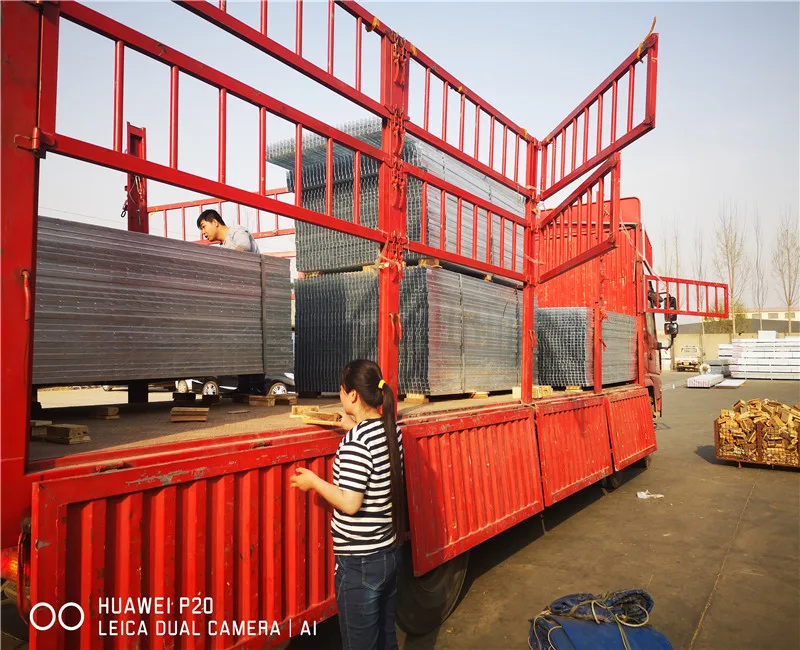
A. Steel grating, also called steel grid, is mainly used for trench covers, steel structure platform panels, steel stair treads, etc. Cross bars are generally made of twisted square steel. Steel grating is generally made of carbon steel with a hot-dip galvanized finish to prevent oxidation; it can also be made of stainless steel. Steel grating consists of bearing flat bars and cross bars arranged longitudinally and transversely at a certain pitch, welded into original panels on high-pressure resistance welding machines, then deep-processed by cutting, notching, hole opening, binding, and other processes into finished products as required by customers.
Once you grasp these basic concepts, the specifications and sizing recommendations that follow will be much easier to understand.
What is most easily overlooked in spec tables are tolerances and end treatment. Steel grating usually has machining allowance in the length direction; if embedded installation is used on site, edge closing and corner notch requirements must be stated in advance. Hot-dip galvanized steel grating is handled similarly in these details; we recommend marking them clearly on the drawings as well.
Scope of Application & Engineering Fields
Typical applications mainly include the following categories, which can help you judge suitability for your project:
B. Its features: high strength, light structure - the firm mesh pressure-welded structure gives high load capacity, light weight, and easy hoisting; attractive appearance and durability - hot-dip galvanizing provides excellent corrosion resistance and a glossy, attractive surface; good ventilation, lighting, heat dissipation, explosion-proof, and anti-slip performance; dirt does not accumulate. Widely used for platforms, walkways, trestles, trench covers, manhole covers, ladders, fences, and railings in petrochemicals, power plants, waterworks, sewage treatment plants, municipal engineering, sanitation engineering, and other fields. Various steel gratings are manufactured according to the YB/T 4001-2007 standard.
The product is used for industrial platforms, footbridges, stair treads, inner cover plates, etc.
If your working conditions fall outside the above range, you can provide site photos and dimensions, and our technicians will help assess them.
For material selection, simply pursuing the highest grade is not recommended. The material of steel grating should match the load requirements and service environment; over-specifying causes unnecessary cost increases. The corresponding treatment of galvanized grating can refer to the product page description, selected according to actual working conditions.
Specification Parameters of Steel Grating
Common specifications and corresponding parameters are summarized below; confirm each item before ordering:
C. Grating is a steel product made of flat bars arranged crosswise at a certain pitch with cross bars and welded into a mesh with square openings in the middle, mainly used for trench covers, steel structure platform panels, steel stair treads , etc. Cross bars are generally made of twisted square steel. Steel grating is generally made of carbon steel with a hot-dip galvanized finish to prevent oxidation; it can also be made of stainless steel. Steel grating has properties of ventilation, lighting, heat dissipation, anti-slip, and explosion protection.
The above are common specifications; actual ordered dimensions and tolerance requirements shall be confirmed against the layout drawing.
The actual parameters of the same model may differ slightly between manufacturers, so acceptance should be based on actual measurement. Spot checks of the key dimensions of steel grating are recommended, especially for bulk deliveries. The corresponding parameters of hot-dip galvanized steel grating can be checked in the same way; communicate promptly if deviations are found.
D. Features of Steel Grating
1: High strength, lightweight structure
Clarifying the definition is mainly to avoid deviations in later communication. Steel grating may be named differently by different manufacturers and regions; when ordering, it is advisable to clearly specify the structural form, material, and surface treatment rather than just the name. Hot-dip galvanized steel grating also has such naming differences; it is best to attach drawings or photos in technical exchanges.
2: Strong corrosion resistance, durable
3: Attractive appearance, bright surface
Regarding corrosion protection, one thing is easily overlooked: on-site cutting and welding damage the original coating, and these areas need zinc touch-up after construction, otherwise rust often starts from the cut edges. Hot-dip galvanized steel grating has the same issue; it is best to include this in the technical requirements at the construction disclosure.
4: No dirt accumulation, no rain or snow buildup, no water pooling; self-cleaning and easy to maintain
5: Good ventilation, lighting, heat dissipation, anti-slip and explosion-proof performance
Maintenance is actually not complicated. Daily inspection of steel grating mainly looks at three things: whether the fasteners are loose, whether the surface coating is damaged, and whether the panel surface is obviously deformed. Handle problems promptly and the overall maintenance workload is not large; the maintenance requirements of hot-dip galvanized steel grating are basically the same.
6. Easy to install and dismantle
In terms of installation sequence, lay out first and then fix; avoid making changes while laying. Once the layout drawing of the steel grating is confirmed, try not to cut panels at will on site; if adjustment is really needed, the fixing and edge treatment of the hot-dip galvanized steel grating should be adjusted at the same time to avoid leaving hidden loosening risks.
Further notes: Common combinations of hot-dip galvanized steel grating and galvanized grating
Besides what this article covers, hot-dip galvanized steel grating is also common in actual projects. It shares similarities with this article's subject in structure and fabrication; for selection, check span, load and service environment in the same order. If both types of components are used in the same project, we recommend unifying material and surface treatment to avoid later galvanic corrosion or inconsistent appearance.
- For all product specifications and theoretical weights by series, visit Steel Grating Product Center
- To estimate cost by size and quantity, use Instant Quote PageSubmit Requirements
- To see how similar projects were executed, refer to Project Cases field applications
FAQ
Where can I find specific specifications?
our websiteProductsCommon specifications and theoretical weights are organized by series, also available in Instant Quote PageEstimate by size, or contact us directly for sizing advice.
How to choose between hot-dip galvanizing and cold galvanizing?
The two anti-corrosion mechanisms differ: hot-dip galvanizing immerses steel in molten zinc to form a metallurgically bonded coating, thick and long-lasting, suitable for outdoor and humid environments; cold galvanizing is electrochemical deposition with a thinner, more uniform appearance, suitable for dry indoor environments or applications requiring high dimensional precision.
What information is needed for custom sizes?
Usually you need to provide the panel dimensions (length x width), bearing bar specs and direction, center-to-center pitch of bearing bars and cross bars, surface treatment, and special requirements such as cutouts, corner notches and banding. Site photos or sketches are even better.
The above is for sizing and construction reference. To verify specific parameters or request a quotation, please visitInstant Quote Page, or contact our technical staff.
Note that this article presents sizing approaches and general practice, and does not constitute a strength commitment for any specific project. For load-bearing safety-critical areas, the design drawings and on-site calculations shall prevail; contact our technical staff if in doubt.