







Many projects purchase steel grating on price alone and ignore specification matching and anti-corrosion requirements, which often leads to rework. This article lists, in order, the selection advice, material and anti-corrosion requirements and basic concepts for rust prevention, and explains how to weigh them under common working conditions; content related to hot-dip galvanized steel grating can be used directly as a technical disclosure reference.
Selection and Purchasing Advice for Preventing Steel Grating Rust
We recommend confirming the following factors in order according to service conditions during selection:
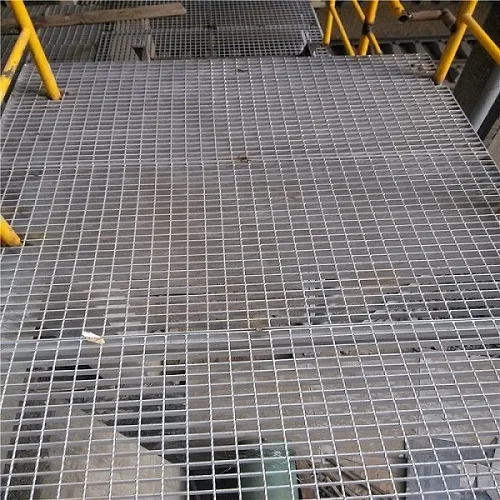
Steel gratings are familiar to most people, especially in factories and construction sites, as well as in nearby parks, stations, car washes and other places. During the use of steel gratings, how to prevent them from rusting is the issue we care about most, so the following content explains how to prevent steel gratings from rusting.
Placing the order after confirming these items effectively avoids specification mismatch and on-site rework.
It is recommended to fix the selection sequence as: first determine the span and support conditions, then the load requirements, and finally the surface treatment. Following this order, the specifications for rust-prevention grating can basically be determined; picking a model first and then fitting conditions tends to cause repeated revisions. The same sequence applies to hot-dip galvanized steel gratings.
Material and Anti-Corrosion Requirements
Common materials and surface treatments are as follows:
Steel gratings are made from carbon steel. To prevent rust, the finished product needs hot-dip galvanizing - the hot-dip galvanized steel grating sold on the market today - which effectively prevents oxidation and rust caused by outside air and other substances.
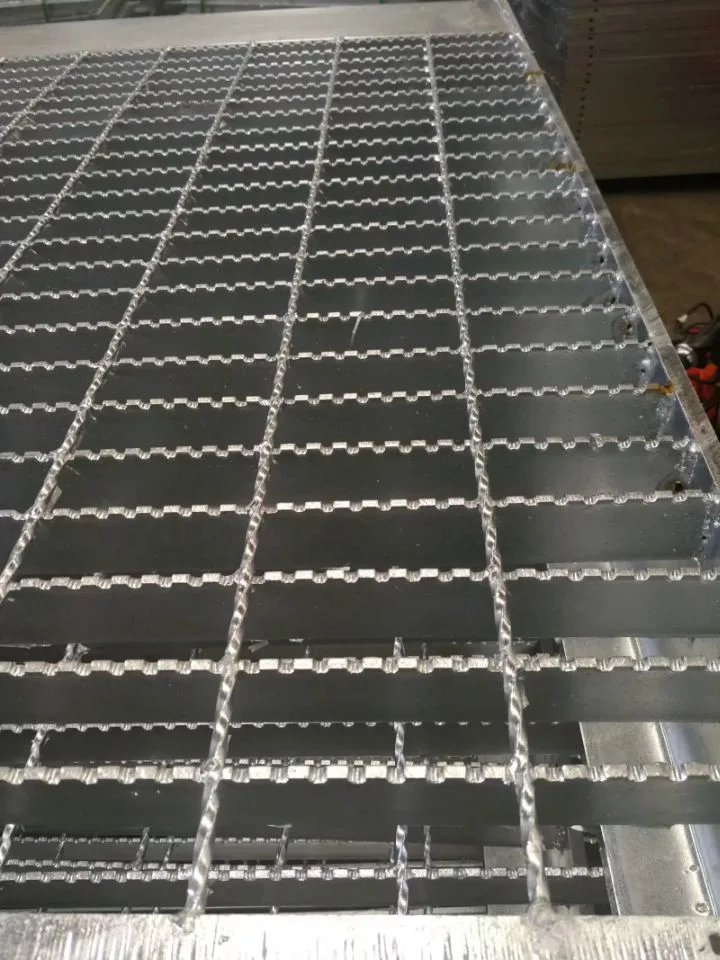
Once material and surface treatment are decided, we recommend writing zinc coating thickness and appearance requirements into the technical agreement.
For material selection, blindly pursuing high grades is not recommended. The material should match the load requirements and service environment; over-specifying causes unnecessary cost increases. Corresponding treatments for hot-dip galvanized steel gratings can be found on the product pages; choose by actual working conditions.
Performance Characteristics of Rust Prevention for Steel Grating
Store galvanized grating panels in well-ventilated places; in seasons with high humidity or large temperature differences, use dryers or drying furnaces to prevent condensation. Avoid soaking; if wet by dew or water, dry it promptly, or open the packaging and blow-dry with fans. Store in well-ventilated areas and avoid spots prone to condensation caused by large hot-cold temperature differences.
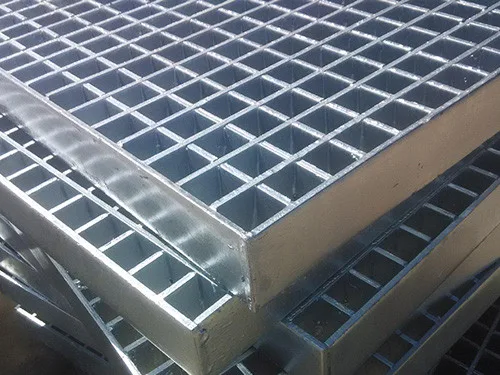
Choosing a surface treatment is essentially balancing initial investment against later maintenance. Requirements can be relaxed appropriately for indoor dry environments and raised for outdoor or humid environments. Hot-dip galvanized steel grating can be judged the same way.
Materials and Surface Treatment for Rust Prevention
Alternatively, steel gratings can be made of stainless steel; the anti-rust effect is good, but the price is slightly higher. To prevent rusting, painting can also be used: spraying or brushing anti-rust paint forms a protective layer against rust.
Regarding corrosion protection, one thing is easily overlooked: on-site cutting and welding damage the original coating, and these areas need zinc touch-up after construction, otherwise rust often starts from the cut edges. Hot-dip galvanized steel grating has the same issue; it is best to include this in the technical requirements at the construction disclosure.
How to Choose Suitable Rust-Prevention Steel Grating
That completes the explanation of how to prevent steel gratings from rusting. The above methods come from the experience of several manufacturers, shared here to help you avoid unnecessary trouble in future use of steel gratings.
It is recommended to fix the selection sequence as: first determine the span and support conditions, then the load requirements, and finally the surface treatment. Following this order, the specifications can basically be determined; picking a model first and then fitting conditions tends to cause repeated revisions. The same sequence applies to hot-dip galvanized steel grating.
Further notes: Common combinations of hot-dip galvanized steel grating and hot-dip galvanized steel grating
In engineering, hot-dip galvanized steel grating is often used together with the components mentioned in this article. The two differ in load carrying and installation practices; when combining them, pay special attention to the connection of support conditions and fixing methods, as junction treatment is often where problems arise. For unified drawings, submit dimensions of both types and our technicians will process them under the same layout logic.
- For all product specifications and theoretical weights by series, visit Steel Grating Product Center
- To estimate cost by size and quantity, use Instant Quote PageSubmit Requirements
- To see how similar projects were executed, refer to Project Cases field applications
FAQ
What maintenance is required during daily use?
Maintenance mainly involves periodically checking whether fasteners are loose, whether touch-up paint has peeled off, and whether the panel surface shows obvious deformation or rust. Issues found should be dealt with promptly; overall maintenance is minimal.
Where can I find specific specifications?
our websiteProductsCommon specifications and theoretical weights are organized by series, also available in Instant Quote PageEstimate by size, or contact us directly for sizing advice.
Why do different manufacturers quote different weights for the same specifications?
The main difference lies in the actual measured thickness and tolerance control of the bearing bars. When bars are supplied at the lower tolerance limit, weight per unit area falls below the theoretical value, and load capacity drops accordingly. We recommend specifying thickness tolerance clearly when purchasing.
The above is for sizing and construction reference. To verify specific parameters or request a quotation, please visitInstant Quote Page, or contact our technical staff.
The above is general guidance. For a specific project, we still recommend submitting span, load class and service environment to our technicians for review. Steel grating is a load-bearing component; rework caused by wrong specification choices costs far more than the time spent on upfront calculation.