







This article covers stainless steel grating in three parts - its advantages in rain and snow, basic concepts and specifications - with practical advice after each section. If you are comparing options or preparing a purchase, work through the points in order, cross-check the parts concerning galvanized steel grating against the same list, and adjust anything that conflicts with actual site conditions.
Material and Surface Treatment for the Advantages of Stainless Steel Grating in Rain and Snow
Common materials and surface treatments are as follows:
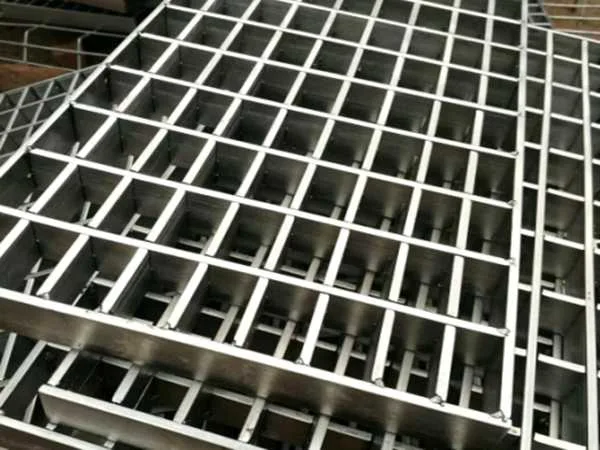
In recent years stainless steel grating has been used more and more widely, with complete specifications and many varieties, such as stainless steel grating stair treads and stainless steel drainage trench covers. Because it resists corrosion and rust and offers strong ventilation and drainage, the advantages of stainless steel grating are especially clear in many outdoor locations.
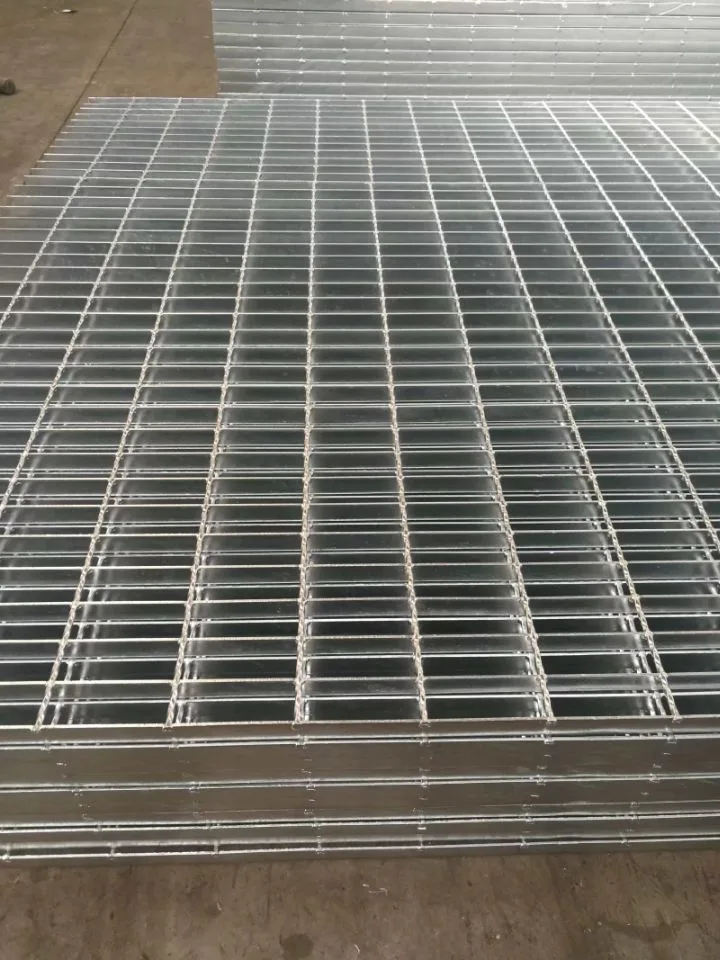
Once material and surface treatment are decided, we recommend writing zinc coating thickness and appearance requirements into the technical agreement.
Actual parameters for the same model may vary slightly between manufacturers, so acceptance should be based on measured values. Spot-check the key dimensions of stainless steel grating, especially on bulk deliveries. The corresponding parameters of galvanized bar grating can be verified the same way; report any deviation promptly.
Basic Concepts of the Advantages of Stainless Steel Grating in Rain and Snow
This section first clarifies the basic concepts, structural forms and common names, laying the groundwork for what follows.
In rainy summers, installing stainless steel grating is extremely necessary. After rain, water in low-lying road sections can rise above the knee, and the greatest need is fast drainage to restore traffic and make walking safe. We recommend a product that filters rainwater quickly - stainless steel drainage trench cover grating - installed at road drains to carry rainwater away as fast as possible.
Once you grasp these basic concepts, the specifications and sizing recommendations that follow will be much easier to understand.
Material and surface treatment determine the on-site durability of stainless steel grating. For the same steel grating, the treatment differs greatly between dry indoor use and coastal or chemical environments; service environment should be raised as the primary condition in selection. The same applies to galvanized grating.
Application Scenarios for the Advantages of Stainless Steel Grating in Rain and Snow
In many industrial plants - power plant platform grating, open-air walkway grating and steel stair treads - stainless steel grating does not hold rainwater, is easier to clean, and installs with reliable slip resistance, which makes it very popular.
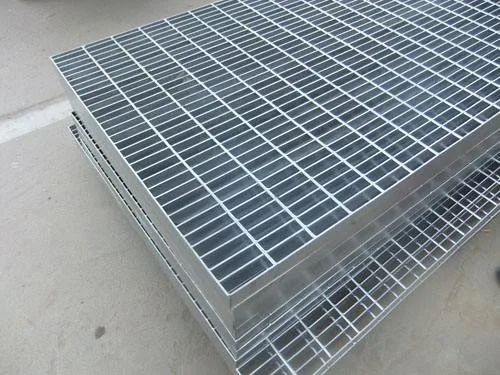
Regarding corrosion protection, one thing is easily overlooked: on-site cutting and welding damage the original coating, and these areas need zinc touch-up after construction, otherwise rust often starts from the cut edges. Hot-dip galvanized steel grating has the same issue; it is best to include this in the technical requirements at the construction disclosure.
What Are the Advantages of Stainless Steel Grating in Rain and Snow?
Stainless steel grating is a press-welded product made from metal plate. It withstands rain washout, resists corrosion and the acidity or alkalinity of rainwater, giving it a longer service life. It is a highly efficient, long-lasting and excellent filtering product.
Do not simply chase higher grades when choosing material. The material of stainless steel grating should match the load requirements and service environment; over-specifying adds unnecessary cost. The corresponding treatment for hot-dip galvanized steel grating can be found on the product page - select according to actual working conditions.
Further reading: Sizing reference for galvanized grating and hot-dip galvanized steel grating
Galvanized grating and hot-dip galvanized steel grating are different specification forms within the same product system. The selection logic is the same as described in this article: first the usage type, then span and load to determine specifications, and finally the environment to determine surface treatment. Their corrosion protection and anti-slip requirements may differ; state them separately when ordering rather than writing one general technical requirement.
- For all product specifications and theoretical weights by series, visit Steel Grating Product Center
- To estimate cost by size and quantity, use Instant Quote PageSubmit Requirements
- To see how similar projects were executed, refer to Project Cases field applications
FAQ
How to choose between hot-dip galvanizing and cold galvanizing?
The two anti-corrosion mechanisms differ: hot-dip galvanizing immerses steel in molten zinc to form a metallurgically bonded coating, thick and long-lasting, suitable for outdoor and humid environments; cold galvanizing is electrochemical deposition with a thinner, more uniform appearance, suitable for dry indoor environments or applications requiring high dimensional precision.
What is most often overlooked during installation and acceptance?
First, bearing bars installed in the wrong direction reduce load capacity; second, insufficient fixing points or missing zinc touch-up paint; third, support beam spacing inconsistent with the layout drawing. These three items are most often overlooked on site.
Where can I find specific specifications?
our websiteProductsCommon specifications and theoretical weights are organized by series, also available in Instant Quote PageEstimate by size, or contact us directly for sizing advice.
The above is for sizing and construction reference. To verify specific parameters or request a quotation, please visitInstant Quote Page, or contact our technical staff.
If you already have drawings or site dimensions, submit them directly and we will help verify specifications and layout, avoiding on-site cutting and rework caused by mismatched models. Without drawings, site photos and approximate dimensions are enough for an estimate.