







On stainless steel grating, this article explains how to judge its quality, basic concepts and specifications, with practical, actionable checks rather than theory alone. If you have drawings or site dimensions at hand, verify them point by point; the same sequence also applies to hot-dip galvanized steel grating.
Material and Surface Treatment When Judging the Quality of Stainless Steel Grating
Material and surface treatment are key to service life. Common practices and suitable environments are as follows:
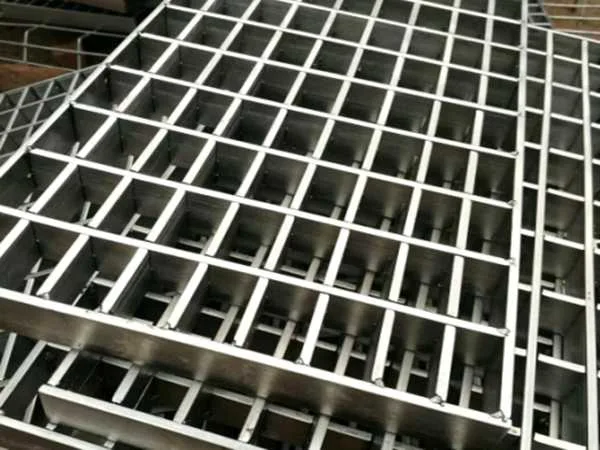
Stainless steel grating is used in specific environments, but how do you judge whether it is good quality? Several methods are described below:
Once material and surface treatment are decided, we recommend writing zinc coating thickness and appearance requirements into the technical agreement.
Choosing a surface treatment is essentially a trade-off between upfront cost and later maintenance. Requirements can be relaxed when stainless steel grating is used indoors in dry conditions, but should be raised outdoors or in damp environments. The same logic applies when selecting galvanized bar grating.
Additional Notes on Judging the Quality of Stainless Steel Grating
The following aspects most need to be confirmed in advance in actual procurement and use:
(1) Identification by Color
The acid pickling method can be used:
The above points can serve as a pre-purchase checklist; confirm each item before moving to the quotation stage.
Do not simply chase higher grades when choosing material. The material of stainless steel grating should match the load requirements and service environment; over-specifying adds unnecessary cost. The corresponding treatment for hot-dip galvanized steel grating can be found on the product page - select according to actual working conditions.
Material and Anti-Corrosion Requirements
Pickled stainless steel: a bright, silvery-white surface:
Chromium-nickel stainless steel: silvery white with a jade-like tone;
Chromium stainless steel: whitish, slightly grey, with weak luster;
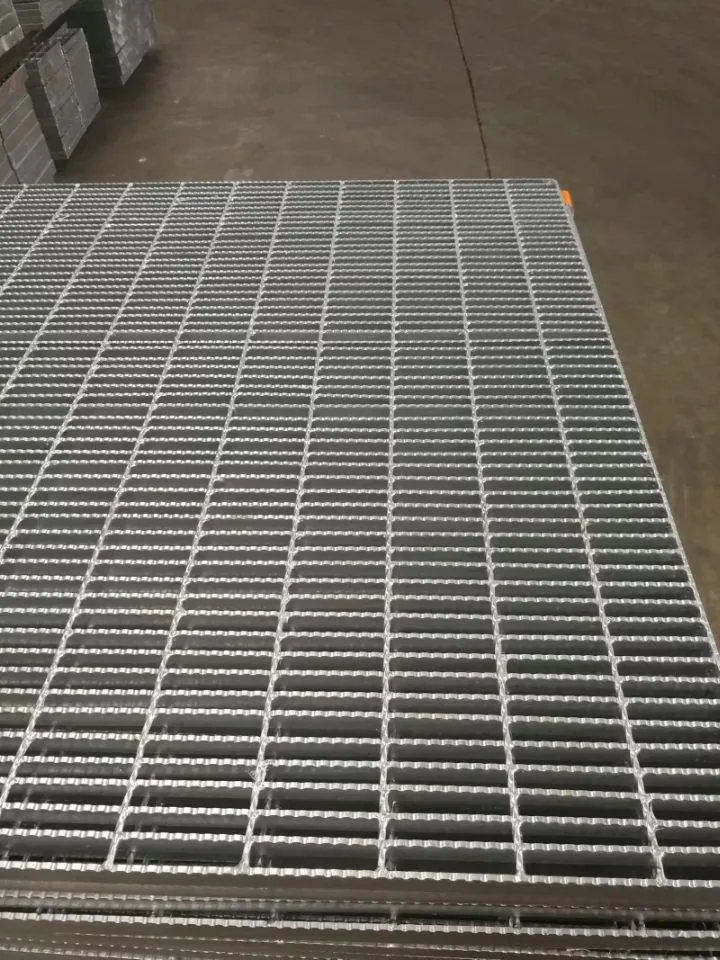
Chromium-manganese-nitrogen stainless steel: similar to chromium-nickel steel but slightly paler. Steel grating. Unpickled
Regarding corrosion protection, one thing is easily overlooked: on-site cutting and welding damage the original coating, and these areas need zinc touch-up after construction, otherwise rust often starts from the cut edges. Galvanized grating has the same issue; it is best to include this in the technical requirements at the construction disclosure.
Key Points on Judging the Quality of Stainless Steel Grating
Chromium-nickel steel: brownish white,
Chromium steel: brownish black; chromium-manganese-nitrogen: black
(2) Identification with a Magnet
Material and surface treatment determine the on-site durability of stainless steel grating. For the same steel grating, the treatment differs greatly between dry indoor use and coastal or chemical environments; service environment should be raised as the primary condition in selection. The same applies to galvanized grating.
Material and Surface Treatment When Judging the Quality of Stainless Steel Grating (Continued)
(1) Chromium stainless steel is attracted by a magnet at all times, whether heated to high temperature or cooled, and is magnetic;
(2) Chromium-nickel stainless steel is non-magnetic when heated to high temperature, but some grades become magnetic after cooling.
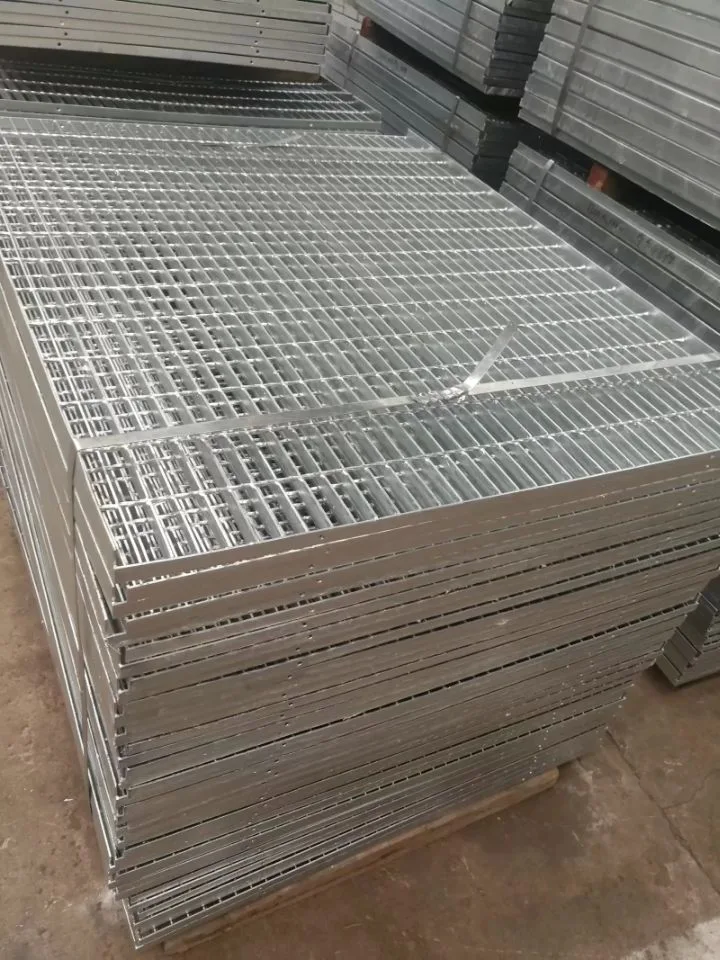
Regarding corrosion protection, one thing is easily overlooked: on-site cutting and welding damage the original coating, and these areas need zinc touch-up after construction, otherwise rust often starts from the cut edges. Hot-dip galvanized steel grating has the same issue; it is best to include this in the technical requirements at the construction disclosure.
Additional Notes on Judging the Quality of Stainless Steel Grating (Continued)
(3) High-manganese steel with a high manganese content is non-magnetic;
Regarding corrosion protection, one thing is easily overlooked: on-site cutting and welding damage the original coating, and these areas need zinc touch-up after construction, otherwise rust often starts from the cut edges. Hot-dip galvanized steel grating has the same issue; it is best to include this in the technical requirements at the construction disclosure.
Material and Surface Treatment When Judging the Quality of Stainless Steel Grating (Continued)
(4) Chromium-nickel-nitrogen stainless steel may be non-magnetic, may be magnetic, or may be non-magnetic lengthwise but magnetic crosswise.
(3) Rub off the oxide layer on the steel, place a drop of water on it and wipe with copper sulfate. If the color does not change, it is generally stainless steel; if it turns purplish red, a non-magnetic sample is high-manganese steel, while a magnetic one is generally ordinary steel or low-alloy steel.
Regarding corrosion protection, one thing is easily overlooked: on-site cutting and welding damage the original coating, and these areas need zinc touch-up after construction, otherwise rust often starts from the cut edges. Hot-dip galvanized steel grating has the same issue; it is best to include this in the technical requirements at the construction disclosure.
Further reading: Sizing reference for hot-dip galvanized steel grating and galvanized grating
Besides what this article covers, hot-dip galvanized steel grating is also common in actual projects. It shares similarities with this article's subject in structure and fabrication; for selection, check span, load and service environment in the same order. If both types of components are used in the same project, we recommend unifying material and surface treatment to avoid later galvanic corrosion or inconsistent appearance.
- For all product specifications and theoretical weights by series, visit Steel Grating Product Center
- To estimate cost by size and quantity, use Instant Quote PageSubmit Requirements
- To see how similar projects were executed, refer to Project Cases field applications
FAQ
Why do different manufacturers quote different weights for the same specifications?
The main difference lies in the actual measured thickness and tolerance control of the bearing bars. When bars are supplied at the lower tolerance limit, weight per unit area falls below the theoretical value, and load capacity drops accordingly. We recommend specifying thickness tolerance clearly when purchasing.
How to choose between hot-dip galvanizing and cold galvanizing?
The two anti-corrosion mechanisms differ: hot-dip galvanizing immerses steel in molten zinc to form a metallurgically bonded coating, thick and long-lasting, suitable for outdoor and humid environments; cold galvanizing is electrochemical deposition with a thinner, more uniform appearance, suitable for dry indoor environments or applications requiring high dimensional precision.
What maintenance is required during daily use?
Maintenance mainly involves periodically checking whether fasteners are loose, whether touch-up paint has peeled off, and whether the panel surface shows obvious deformation or rust. Issues found should be dealt with promptly; overall maintenance is minimal.
The above is for sizing and construction reference. To verify specific parameters or request a quotation, please visitInstant Quote Page, or contact our technical staff.
If you already have drawings or site dimensions, submit them directly and we will help verify specifications and layout, avoiding on-site cutting and rework caused by mismatched models. Without drawings, site photos and approximate dimensions are enough for an estimate.