
This article covers steel grating in three parts - the standard's mandatory requirements for serrations, when to use serrated type, and basic concepts - with practical advice after each part. If you are comparing solutions or preparing for procurement, check item by item in the order presented; parts involving platform steel grating can be confirmed against the same list, adjusting for actual site conditions.
The Standard's Mandatory Requirements for Serrations
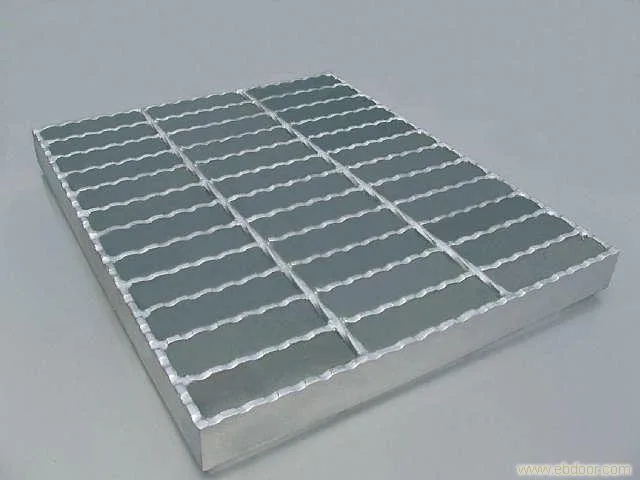
Clause 7.1.1.4 of YB/T 4001.1-2019 states clearly: serrated bearing bars must have no fewer than 5 serrations within any 100mm length, with serration depth not less than 1.5mm and not more than 2.5mm.
▲ Serrated flat bar surface - dense serrations are the key to anti-slip performance
There is sound reasoning behind these numbers. Teeth too shallow (under 1.5mm) offer poor anti-slip effect, no different from a flat surface; teeth too deep (over 2.5mm) weaken the flat bar. The density of 5 serrations per 100mm is the best balance between anti-slip effect and structural strength.
When understanding this content, read it together with the later chapters: the subject itself is explained first, followed by specifications and installation. If you only need quick conclusions, start with the key points of this section; for procurement, the related requirements for hot-dip galvanized steel grating should also be written into the technical agreement.
When Should Serrated Type Be Used?
Scenarios where serrated flat bars are recommended:
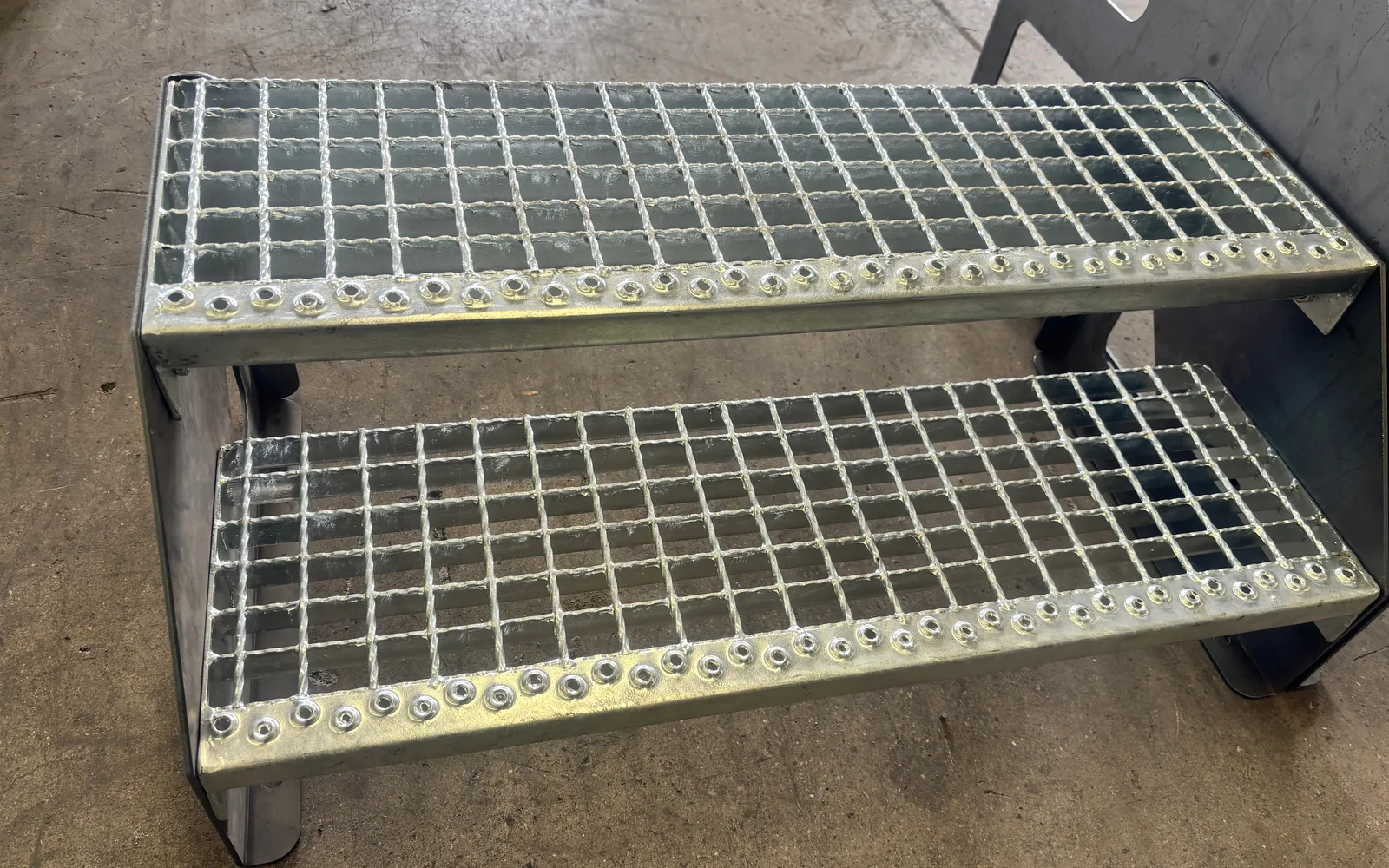
Sloped walkways, steel stair treads, platforms in humid environments, oily environments (e.g. machining workshops), outdoor platforms in ice and snow conditions, and emergency routes with anti-slip safety requirements.
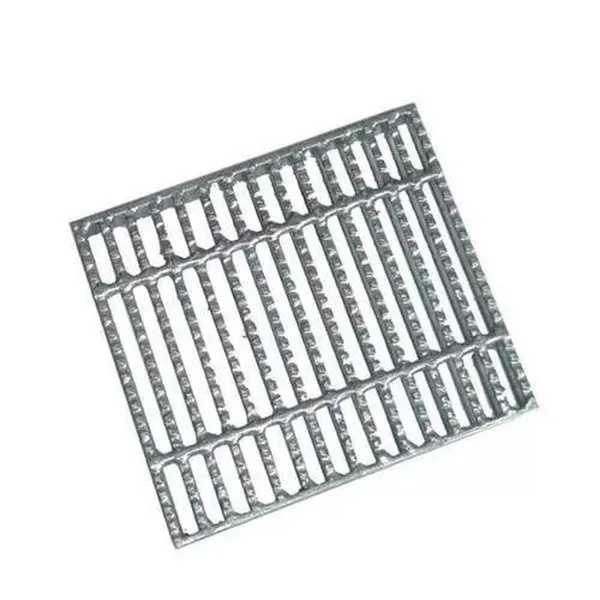
In the model marking, the serrated cross-section is indicated by the letter Sitself denotes the serrated type. For example, G325/30/100S is serrated flat bar steel grating. When purchasing, be sure to specify serrated or plain - the two differ by a whole level in anti-slip effect but look almost identical, hard to tell apart on delivery.
One more detail: serrated flat bars cost 10%-15% more to process than plain ones because of the extra punching step. But it is money well spent - a grating panel may serve over a decade, and while the serrations may eventually wear flat, the first years are the most dangerous run-in period, and serrations mean one more safeguard.
-- Lao Liang @ Anping Steel Grating Factory, July 2026
What is easiest to overlook in spec sheets are tolerances and end treatment. Steel grating usually leaves machining allowance along the length; if field installation is recessed, state the edge banding and corner-notching requirements in advance. Platform steel grating is handled similarly in these details; mark them clearly on the drawings.
Further notes: How to combine platform steel grating and hot-dip galvanized steel grating in use
Beyond what this article introduces, actual projects often also involve platform steel grating. It shares structural forms and processing methods with the topic of this article; when selecting, check span, load, and service environment in the same three steps. If both component types are used together in one project, unify material and surface treatment to avoid later galvanic corrosion or inconsistent appearance.
- For all product specifications and theoretical weights by series, visit Steel Grating Product Center
- To estimate cost by size and quantity, use Instant Quote PageSubmit Requirements
- To see how similar projects were executed, refer to Project Cases field applications
The above is general guidance. For a specific project, we still recommend submitting span, load class and service environment to our technicians for review. Steel grating is a load-bearing component; rework caused by wrong specification choices costs far more than the time spent on upfront calculation.