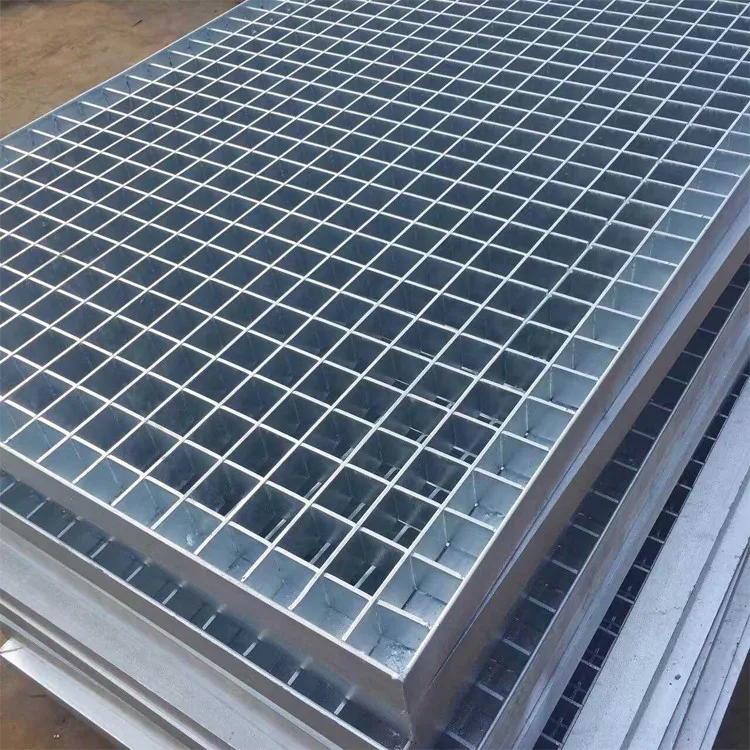
Industry News · Technical Support · Product Cases
A veteran engineer with 30 years of experience explains the YB/T 4001.1 standard, sizing calculations and installation essentials, helping you purchase scientifically and avoid detours.
WhatsApp & E-mail support | Free sizing & quotation



The raw materials - bearing bars, cross bars and edging bars - are generally made of carbon structural steel or stainless steel. The mechanical properties and chemical composition of carbon structural steel shall comply with the relevant provisions for Q235-A in GB/T700-1988; those of stainless steel shall meet the specified materials in GB1220-1992. With the development of China's petrochemical and energy industries, demand for steel grating has grown accordingly. The industries are closely linked and need to...
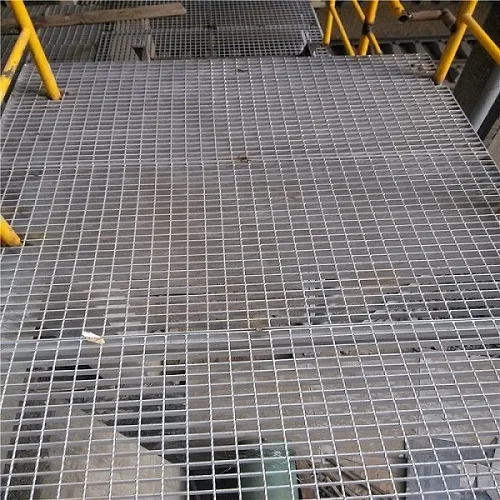
Secure installation prevents the risk of walkway platform grating dropping. To prevent the risk of falling, access platform grating should be installed by welding. Walkway platform grating is installed on steel structural members and must not move laterally or leave the supports after installation. The bearing length of the grating on the supports at both ends of the flat bars must not be less than 25mm. Besides preventing objects from falling through the openings, the grating should also be checked for evenness and stability...
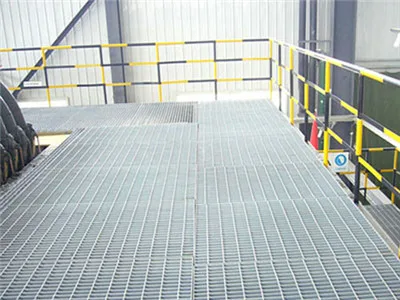
Steel grating must pass quality inspection before leaving the factory; only products that pass inspection may be sold on the market. The main purposes of inspection include: through quality inspection, the basic condition of hot-dip galvanized steel grating can be understood, accurately grasping whether the product materials are suitable, the production level, product quality, etc. Galvanized steel grating, with its superior performance, has very wide application fields...
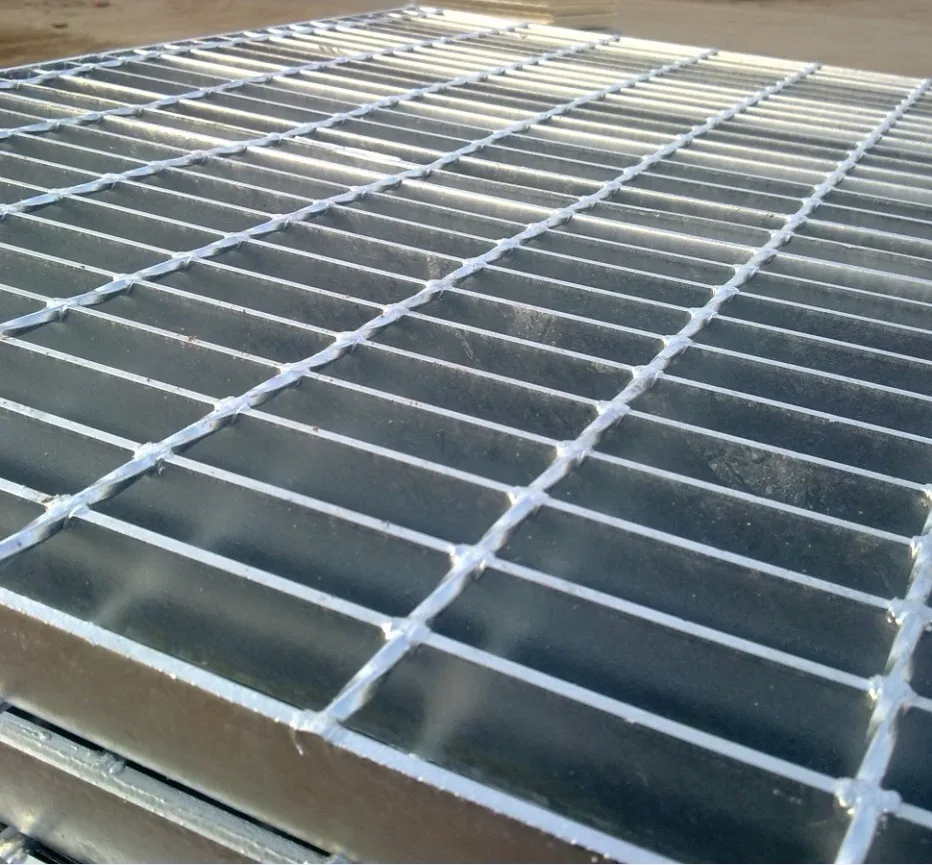
The weight of steel grating is calculated by the weight formula: Wt=(b1t1N1+b2t2N2+2b3t3)ρμ×10-6, where Wt - steel grating weight, unit: kilogram per square meter (kg/m²);
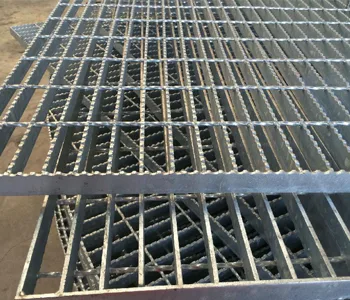
Steel grating trench covers used on sidewalks, carriageways, parking lots, docks or building floors of traffic roads require special consideration in design and selection due to different loads and driving directions. When used as transverse trench covers on roads (driving direction parallel to the bearing bars), not only wheel pressure and impact must be considered, but also the risk of the trench cover bouncing and shifting must be prevented; the cover must be fixed to the support frame or beam (by welding or bolting...)