
On steel grating, this article covers what the standard says, zinc coating thickness requirements, and basic concepts in turn, giving actionable criteria rather than theory alone. Those with drawings or site dimensions can check against the key points; hot-dip galvanized steel grating can follow the same order.
What Does the Standard Say?
The YB/T 4001.1-2019 technical requirements clearly state that hot-dip galvanizing shall follow GB/T 13912 (Metallic coatings - Hot dip galvanized coatings on fabricated iron and steel articles - Specifications and test methods). This standard covers all requirements for coating thickness, adhesion, appearance, and more.
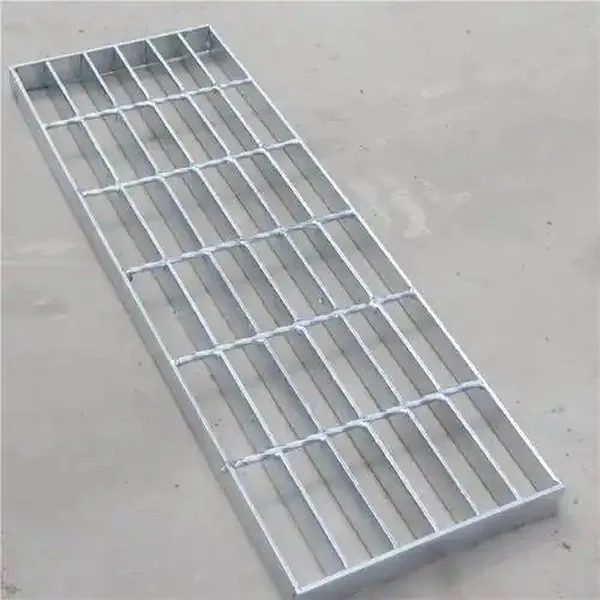
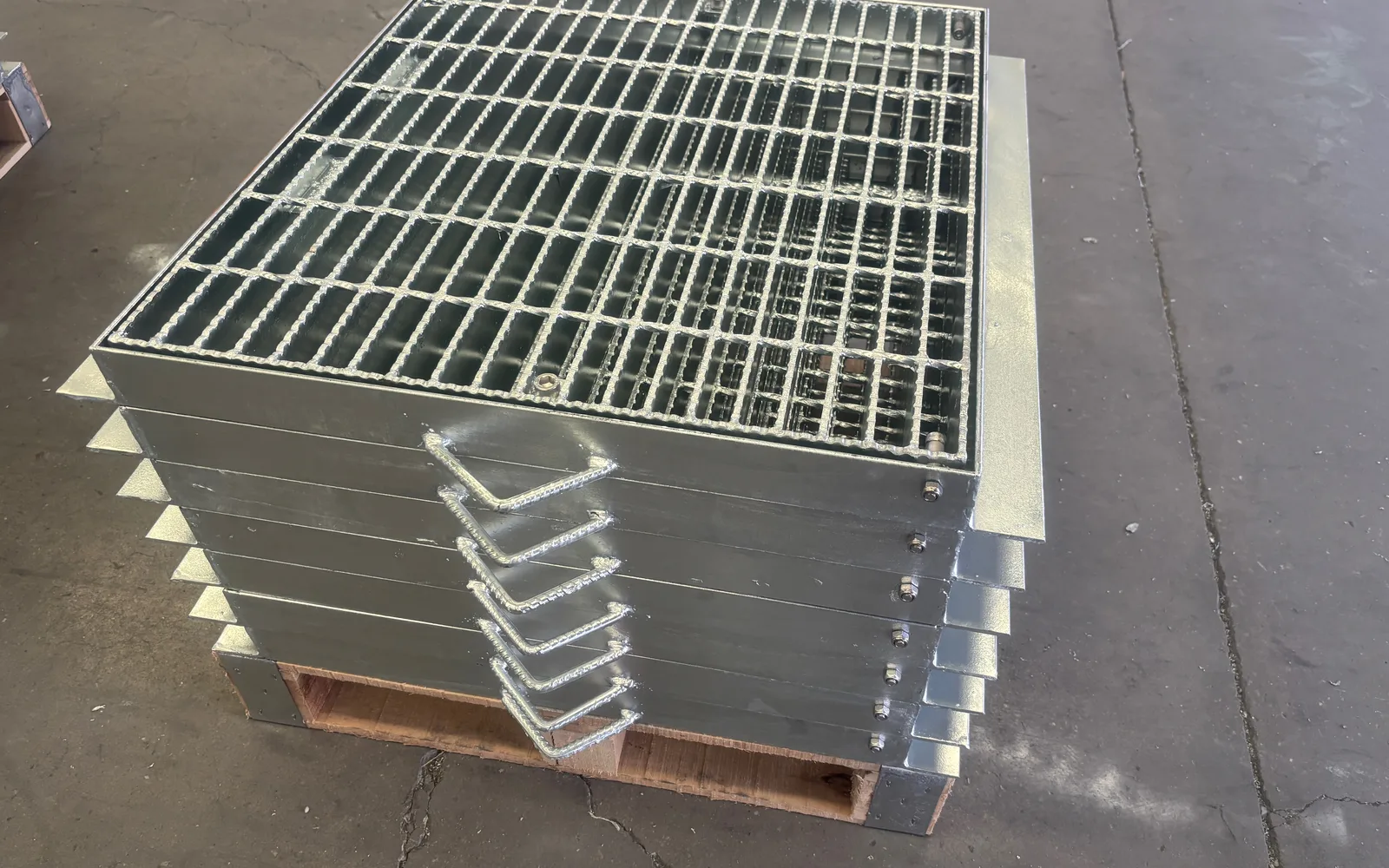
▲ Hot-dip galvanizing - steel grating is immersed in 450℃ zinc liquid, forming an alloy protective layer on the surface
Choosing a surface treatment is essentially balancing initial investment against later maintenance. Requirements can be relaxed somewhat for steel grating in dry indoor environments, but should be raised for outdoor or humid environments. The same reasoning applies to selecting hot-dip galvanized steel grating.
Zinc Coating Thickness Requirements
For articles with steel thickness of 6mm or more, GB/T 13912 requires an average coating thickness of no less than 85μm, with a local minimum of no less than 70μm. For the 3-5mm flat bars commonly used in steel grating, the requirement is an average of no less than 70μm, with a local minimum of no less than 55μm.
Three quick ways to judge galvanizing quality:
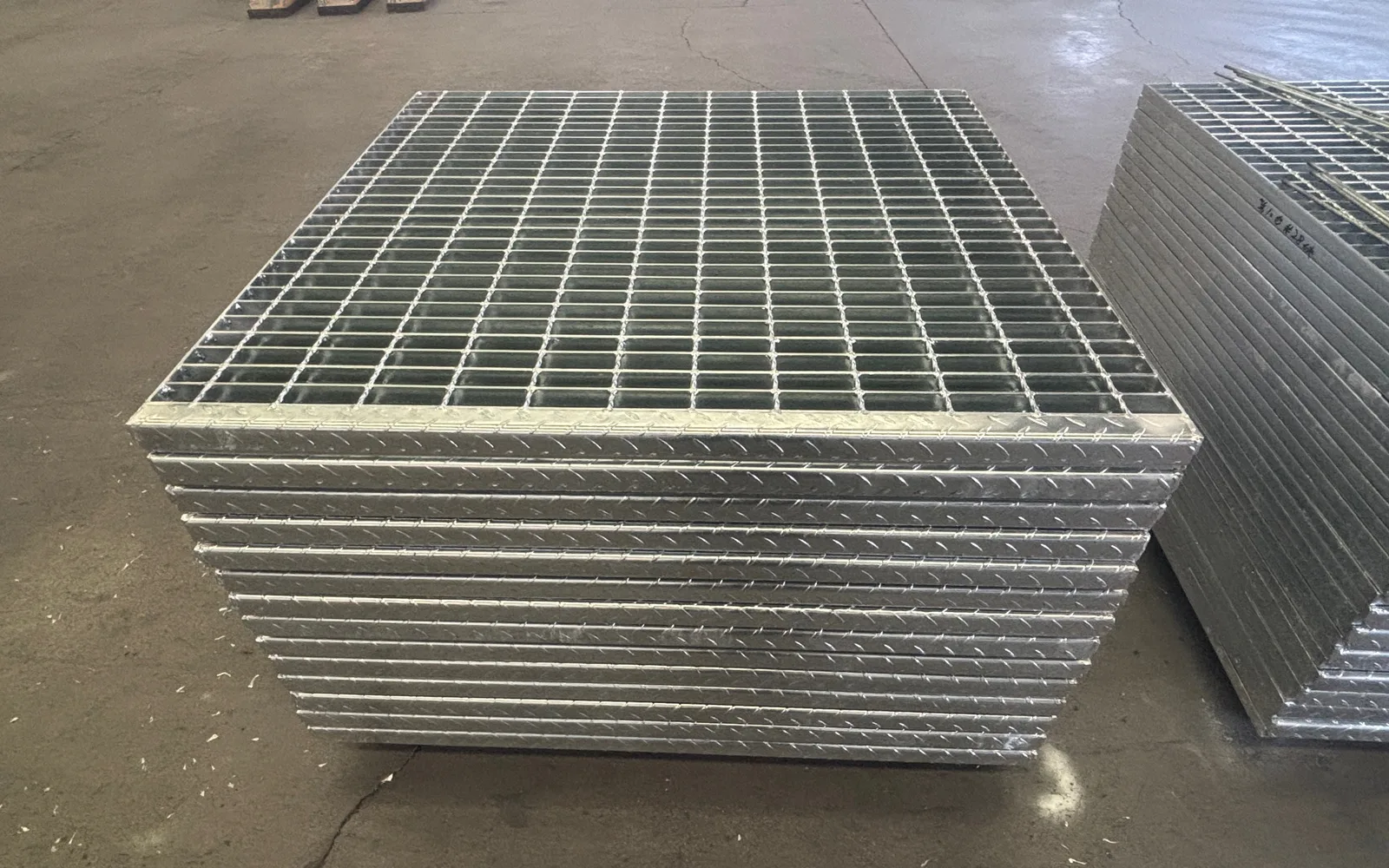
First, look at the color: good hot-dip galvanizing is silvery white with light gray; a dull or blackish surface means impure zinc liquid or wrong temperature.
Second, look at the surface: a few zinc icicles are normal, but peeling, blistering, or missed plating is absolutely unacceptable.
Third, look at the cut surfaces: weld points and cut ends are most prone to missed plating - shine a flashlight; bright is good.
In the model marking, hot-dip galvanizing is indicated by the letter G(which may be omitted), while no surface treatment is indicated by U. Most steel grating leaves the factory hot-dip galvanized by default; untreated is chosen only for dry indoor environments or where painting will follow.
Remember: for every extra 10μm of zinc coating, the anti-corrosion service life increases by roughly 3-5 years. Our factory actually controls an average of over 100μm, precisely to make steel grating last longer.
-- Lao Liang @ Anping Steel Grating Factory, July 2026
Material and surface treatment determine the on-site durability of steel grating. For the same steel grating, the treatment differs greatly between dry indoor use and coastal or chemical environments; service environment should be raised as the primary condition in selection. The same applies to hot-dip galvanized steel grating.
Further reading: Sizing reference for hot-dip galvanized steel grating and hot-dip galvanized steel grating
Besides what this article covers, hot-dip galvanized steel grating is also common in actual projects. It shares similarities with this article's subject in structure and fabrication; for selection, check span, load and service environment in the same order. If both types of components are used in the same project, we recommend unifying material and surface treatment to avoid later galvanic corrosion or inconsistent appearance.
- For all product specifications and theoretical weights by series, visit Steel Grating Product Center
- To estimate cost by size and quantity, use Instant Quote PageSubmit Requirements
- To see how similar projects were executed, refer to Project Cases field applications
The above is general guidance. For a specific project, we still recommend submitting span, load class and service environment to our technicians for review. Steel grating is a load-bearing component; rework caused by wrong specification choices costs far more than the time spent on upfront calculation.