
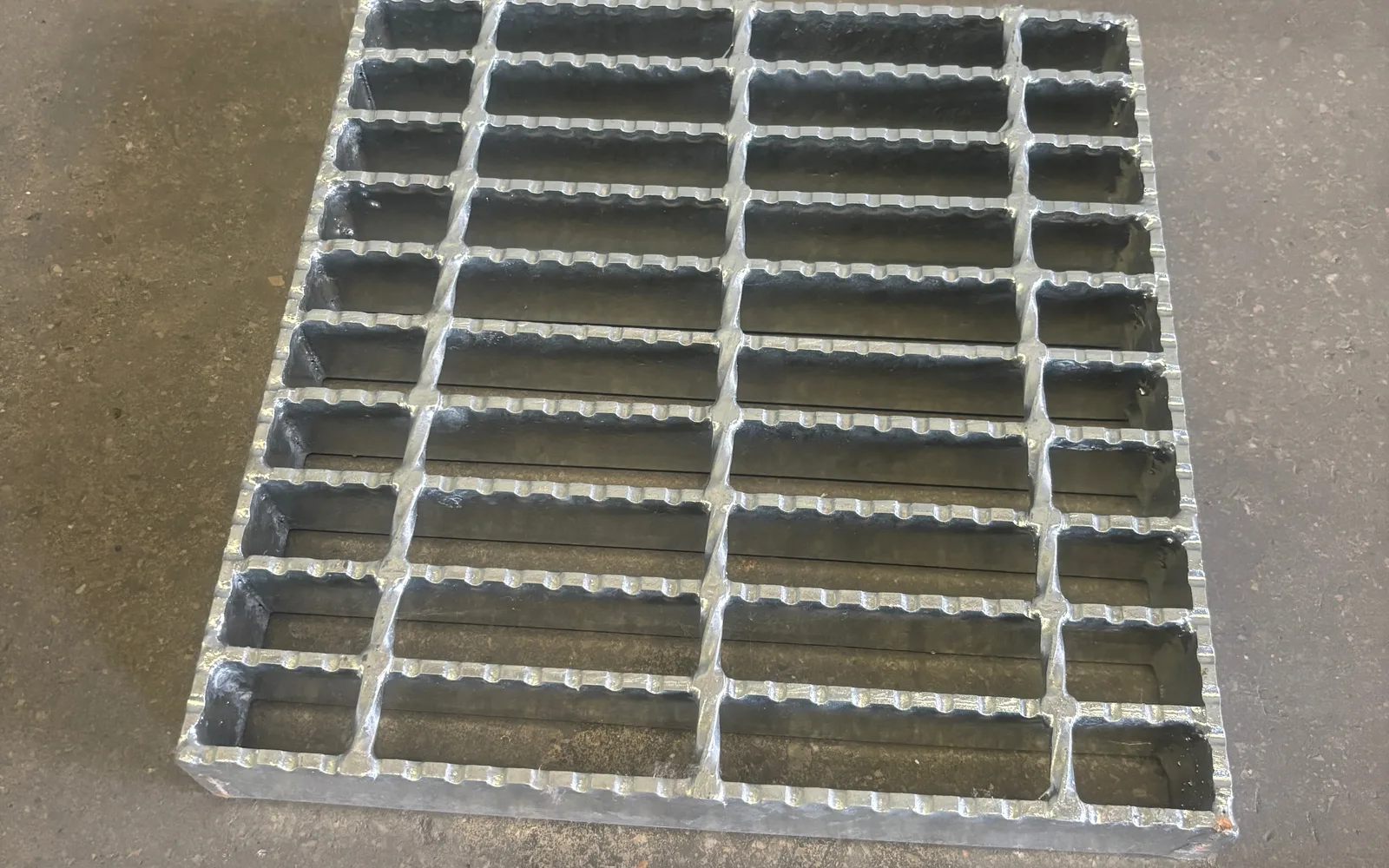
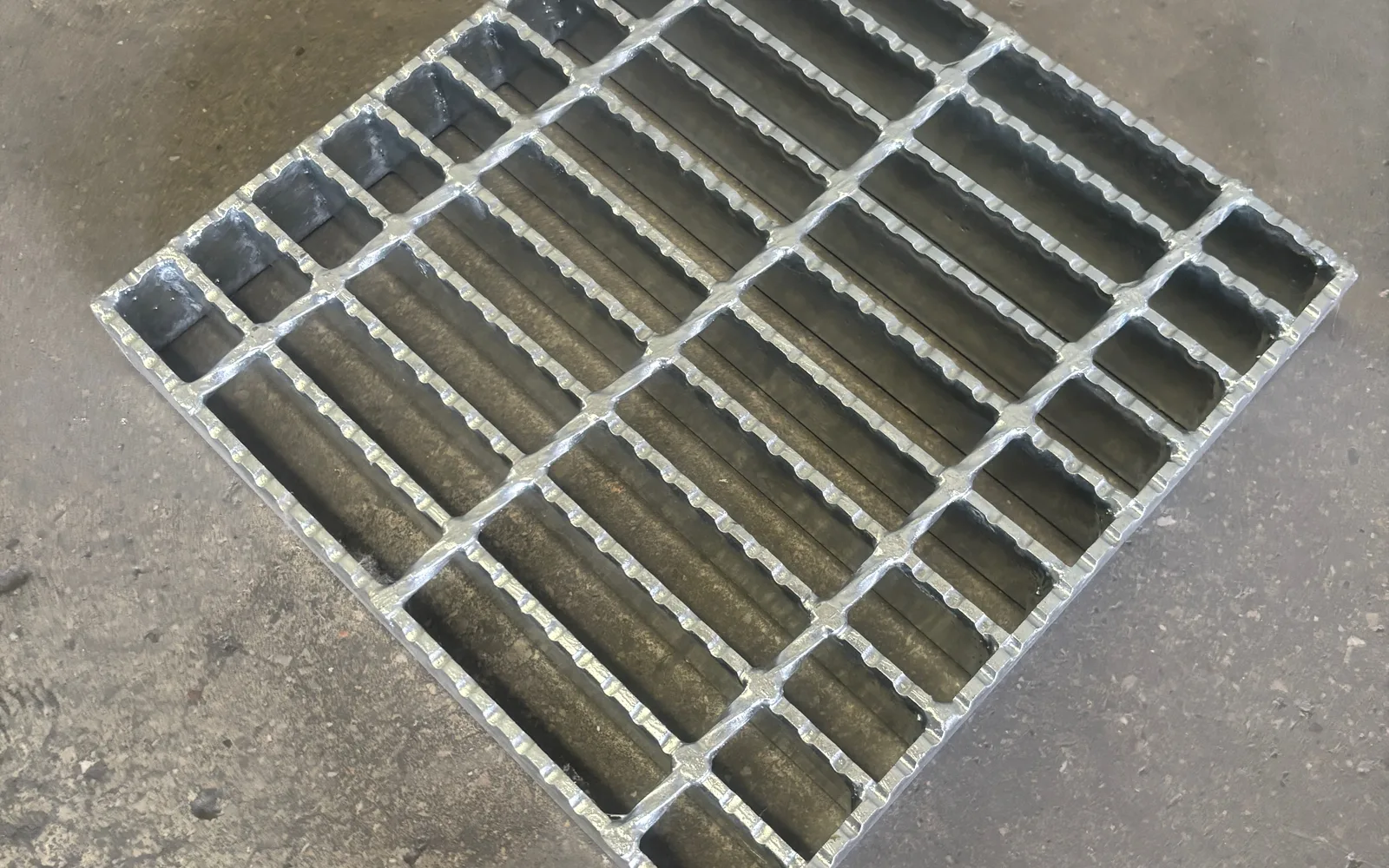
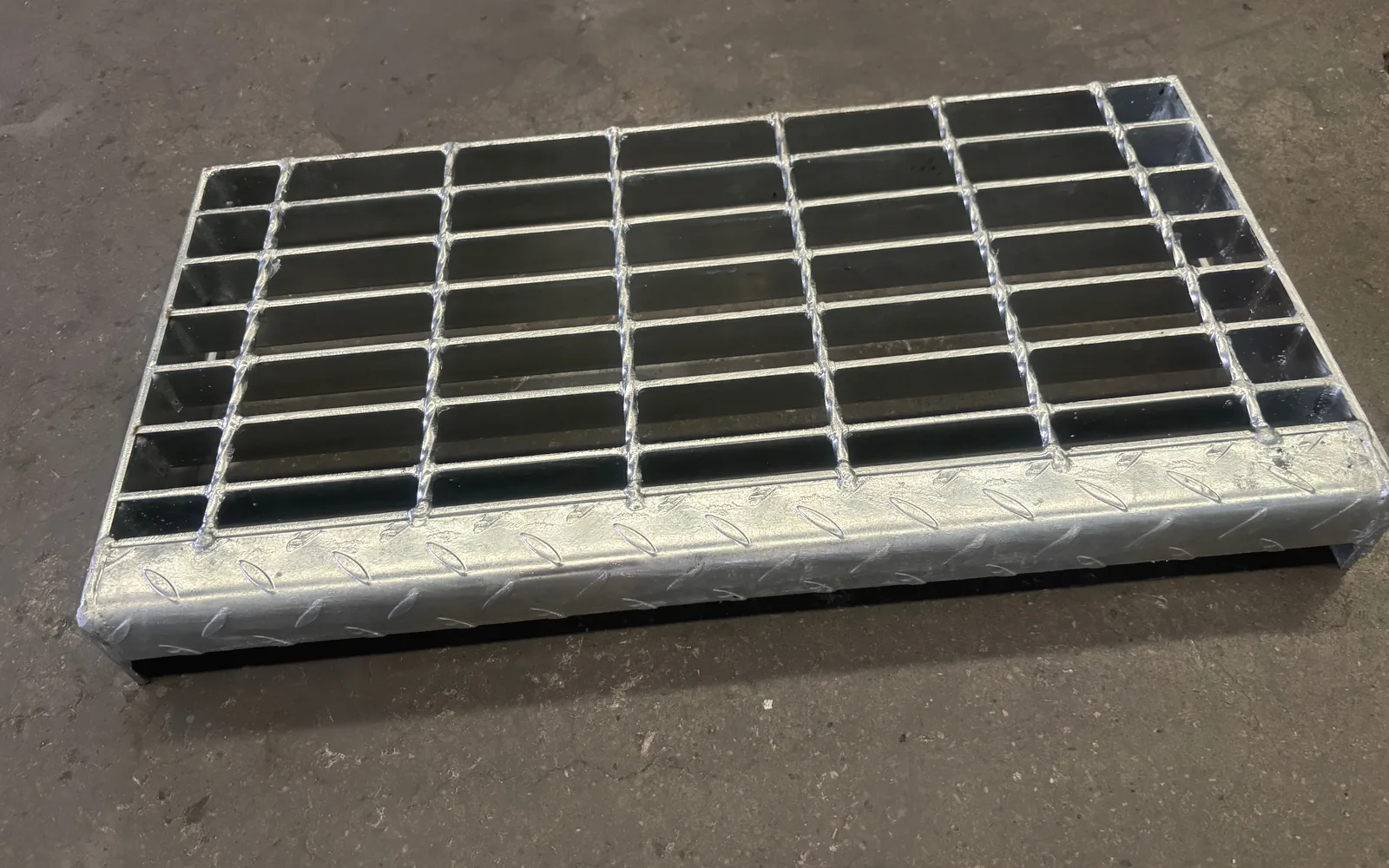




GU-type trench cover is the model code for "steel grating trench cover for U-shaped channels", suitable for most ordinary concrete-lined channels without lip edges. U-type trench covers are very simple to install and cost-saving, and the channel body does not need a special lip. This article explains the GU model naming rules, the difference from GT type, and key points of installation, fixing, and load selection.
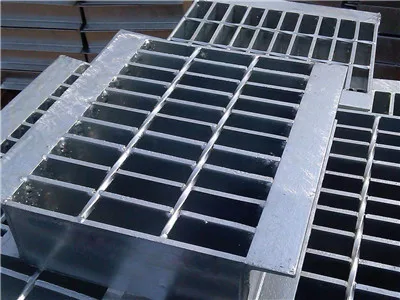
GU-type trench covers are used to cover channels, drainage ditches, and pits, and must meet both traffic load requirements and drainage and anti-theft needs. This page explains the channel form, load class, panel type distinction, and installation and fixing item by item, and gives selection suggestions for different traffic conditions; drainage trench covers can follow the same judgment order.
Items to Confirm When Selecting GU-Type Trench Covers
This page does not list a fixed specification table, as such products are usually custom-fabricated to site conditions. We recommend confirming each item in the table above before inquiry: once mismatched with actual site conditions, refabrication is often required later.ProductsCommon specifications are organized by series for reference.
| Items to Confirm | What Needs to Be Clarified | Common Practices |
|---|---|---|
| Traffic Type | Pedestrians, light vehicles or heavy vehicles | Determine load class by vehicle types |
| Trench Width and Direction | Clear trench width; bearing bars vs. traffic direction | Side trench covers and cross trench covers must not be mixed |
| Drainage Requirements | Whether drainage gaps need to be reserved | Determine by drainage volume and debris conditions |
| Dimensions and Quantity | Panel size and total quantity | Count after layout by trench length and width |
| Surface Treatment | Hot-dip galvanizing or other anti-corrosion methods | Hot-dip galvanizing recommended for outdoor and humid environments |
| Opening Method | Whether frequent opening for trench maintenance is needed | Handles or hinges recommended for frequent opening |
I. How to Read the Model Naming
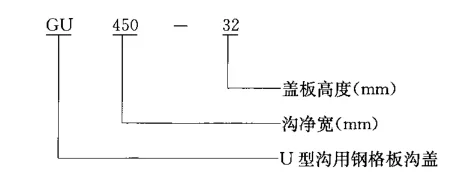
The model of a GU-type trench cover consists of three sections, taking GU-450-32 as an example:
- GU - steel grating trench cover for U-shaped channels;
- 450 - clear channel width (mm);
- 32 - cover height (mm).
II. How to Distinguish GU Type from GT Type
- GU type: for ordinary concrete-lined channels without lip edges, no special channel lip required, simple and economical installation;
- GT type: for channels with support lips (T-shaped channels), where the lip is usually lined with angle steel;
- Roadway trench covers are divided by driving direction into side trench covers and cross trench covers: when the bearing flat bars are perpendicular to the driving direction it is a side trench cover; when parallel, a cross trench cover.
III. Installation and Fixing Points
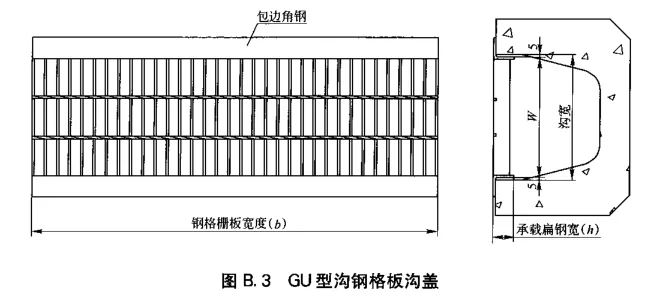
- The flat bar direction is the load-bearing (support) direction; determine the flat bar length L by leaving a gap according to the channel (well) width;
- Lay out along the channel (well) length, using standard panel widths of 995 mm conforming to the machining modulus, with a 5 mm gap between panels;
- For loads T6-14, it is recommended to embed angle steel on the channel edge; precast U-shaped channel blocks can also be used to build the ditch, effectively preventing sewage leakage into the ground;
- Fixing methods: it can be welded directly to the supporting structure (brush two coats of galvanized powder paint after welding), or steel grating installation clips can be used (each set includes one upper clip, one lower clip, one M8 round-head bolt, and one nut), which do not damage the galvanized layer and allow easy disassembly and assembly;
- The installation gap of steel grating is generally 100 mm; make sure it is firmly installed and check the installation clips regularly for looseness. For trench covers near vibration sources, welding or rubber pads are recommended.
IV. Load Class Reference
Trench covers are generally divided into three load classes - light, heavy, and extra-heavy - according to traffic load. When selecting, first confirm the type of passing vehicles, then choose the panel type and channel edge treatment accordingly:
| Load Class | Reference load | Applicable Occasions |
|---|---|---|
| Light-Duty | 25 t/m2 | Campuses and residential areas, parks, underground parking lots, etc. with cars and pedestrians |
| Heavy-Duty | 70 t/m2 | Factory areas, general roads, roadside of main roads, parking lots, etc. with vehicles under 20 t |
| Extra Heavy-Duty | 140 t/m2 | Main roads, mines, docks, airports with heavy trailers, container forklifts, cranes, aircraft, etc. |
Note:For vehicle traffic, GU-type steel grating trench covers are only suitable for side trenches; for cross-trench positions in the driving direction, special trench covers with anti-jump measures such as bolt fixing should be used to prevent the cover from bouncing and shifting.
Key Points for Selecting GU-Type Trench Covers
Confirm each item in the order below during selection to avoid most later rework. Record the conclusion of each step and submit it with your inquiry:
- Step 1 · Confirm Trench Type and Edge Detail: Concrete trenches without flanges and trenches with support flanges correspond to different panel types; whether the flange needs angle steel protection must be clarified in advance.
- Step 2 · Confirm Vehicle Types: Whether it carries pedestrians, light vehicles or heavy vehicles directly determines the panel type and load class.
- Step 3 · Confirm Trench Width and Laying Direction: Side trench covers and cross trench covers have different bearing bar orientations, which must match the traffic direction to avoid reversed installation affecting load capacity.
- Step 4 · Confirm Anti-Theft and Fixing Requirements: For outdoor public areas, hinged or bolted fixing is recommended to reduce displacement and theft risk.
Once the above conditions are confirmed, proceed to Instant Quote PageEstimate quantities by dimensions, or send the condition list to customer service for model recommendations from our technicians.
Working Conditions Comparison for GU-Type Trench Covers
The same specifications last very differently in different environments. The table below gives recommended practices by common service environment for your selection reference:
| Operating Environment | Recommended Practices | Note: |
|---|---|---|
| Humid or Water Treatment Environments | Use a higher corrosion protection grade with matching fasteners | Regularly inspect fixing points and surface corrosion |
| Chemical or Coastal Environments | Confirm material and anti-corrosion scheme per medium | Avoid galvanic corrosion from direct contact between different metals |
| Vehicle Traffic Areas | Check load class against vehicle types | Note that bearing bars must run parallel to traffic direction |
| Pedestrian and Maintenance Walkways | Choose standard series, balancing walking comfort | Focus on surface flatness and end banding |
| Clean Rooms and Food & Pharmaceutical | Prioritize surface treatment and cleaning convenience | Avoid dust-collecting structures and cleaning dead corners |
| Temporary or Short-Term Use | Can be configured with the light-duty series | For short schedules, prioritize easy disassembly and turnover |
Custom Fabrication & Quotation
Common specifications are usually in stock; lead times for shaped parts and bulk orders are determined by specification and production scheduling. For projects needing site measurement and layout design, provide photos and dimensions and we will assist with drawings to reduce on-site cutting. For practices on similar projects, seeProject Cases, for model comparison see Products.
V. Frequently Asked Questions
Can GU-type trench covers be used directly on channels without lip edges?
Yes. This is exactly the design scenario of the GU type - ordinary concrete-lined channels without lip edges can be paved directly. However, when the load reaches T6-14, it is recommended to embed angle steel on the channel edge for reinforcement.
How to determine the trench cover dimensions?
The length is set in the flat bar (load-bearing) direction with a gap according to the channel width; the panel width is taken as 995 mm by modulus with a 5 mm gap between panels. Standard sizes are recommended first; special sizes can be custom-made.
How to get a quotation?
Just provide three factors: clear channel width, channel length, and traffic load, and the calculation can be done. You can first Instant Quote Page for an estimate; for complex conditions, it is recommended to contact customer service for calculation based on the layout drawing.