







Many projects focus only on price when purchasing galvanized steel grating and overlook specification matching and anti-corrosion requirements, which often leads to rework later. This article lists the conditions to confirm one by one, in the order of load changes and long-term service, temperature differences causing cracking in members or connections, and basic concepts, and explains how to choose under common working conditions. The parts concerning galvanized steel grating can be used directly as a reference for technical briefings.
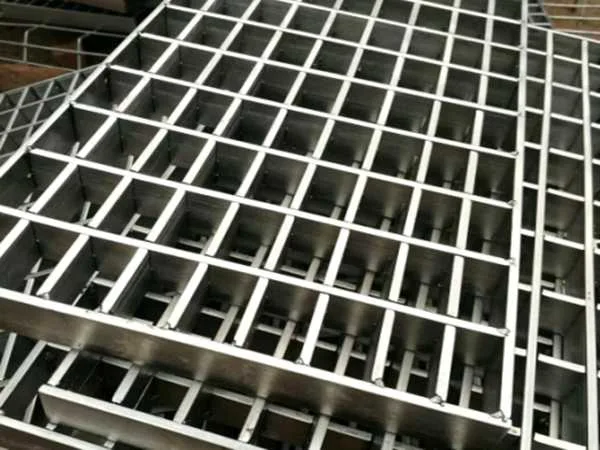
Main Causes of Damage to Galvanized Steel Grating!
Load changes and long-term service alter the grating specifications, resulting in insufficient structural load capacity;
Common specifications and corresponding parameters are summarized below; confirm each item before ordering:
2. Accidents of various kinds cause deformation, twisting and denting of the steel grating, weakening member sections, bowing bars and cracking connections;
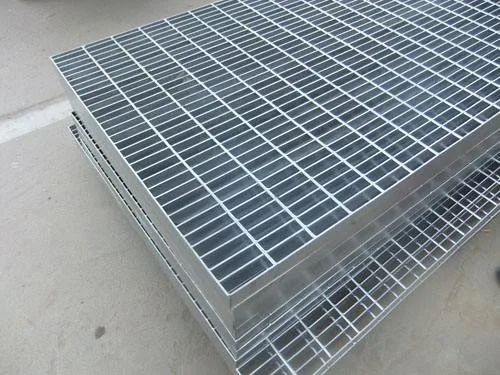
The above are common specifications; actual ordered dimensions and tolerance requirements shall be confirmed against the layout drawing.
Bigger specifications are not always better. Selection of galvanized steel grating should be as economical as possible while still meeting load requirements; over-thickening increases self-weight and cost and complicates installation. A more complete comparison of hot-dip galvanized steel grating is given on the product page and can be consulted before deciding.
Temperature differences cause cracking and warping of members or connections;
The following aspects most need to be confirmed in advance in actual procurement and use:
4. Chemical attack and electrochemical corrosion weaken the section of galvanized steel grating members, so surface treatment is recommended;
5. Others include mistakes in steel grating layout design, production processes and installation, as well as improper use and operation.
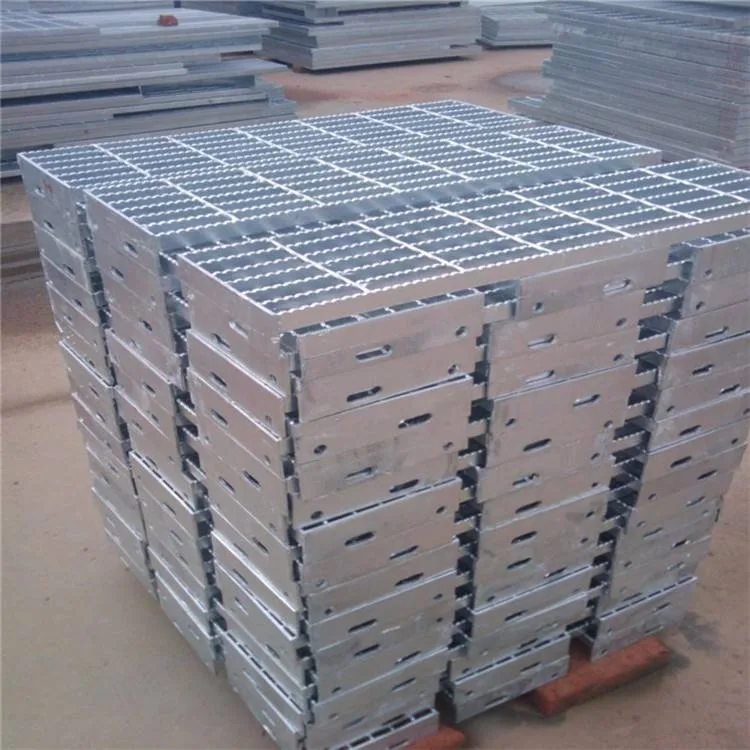
After long service, galvanized steel grating will show some damage. To keep it from being damaged, routine maintenance of the steel grating should be carried out. Maintenance of outdoor galvanized steel grating generally refers to rust prevention, corrosion protection and fire protection. Anti-rust paint has a limited service life, whereas galvanizing performs better, especially when steel members are enclosed and cannot be maintained.
The above points can serve as a pre-purchase checklist; confirm each item before moving to the quotation stage.
Regarding corrosion protection, one thing is easily overlooked: on-site cutting and welding damage the original coating, and these areas need zinc touch-up after construction, otherwise rust often starts from the cut edges. Hot-dip galvanized steel grating has the same issue; it is best to include this in the technical requirements at the construction disclosure.
Further reading: Sizing reference for galvanized grating and hot-dip galvanized steel grating
If a project uses both galvanized grating and hot-dip galvanized steel grating, we recommend planning them on the same layout drawing. This way edge closing, fixing and cutouts at junctions can be handled uniformly, avoiding dimension conflicts during installation and making later maintenance easier.
- For all product specifications and theoretical weights by series, visit Steel Grating Product Center
- To estimate cost by size and quantity, use Instant Quote PageSubmit Requirements
- To see how similar projects were executed, refer to Project Cases field applications
FAQ
Can the values in the article be applied directly?
Values in this article come from relevant standard clauses or common industry practice. For actual selection, recalculate based on site span, load class and service environment; direct copying is not recommended.
Why do different manufacturers quote different weights for the same specifications?
The main difference lies in the actual measured thickness and tolerance control of the bearing bars. When bars are supplied at the lower tolerance limit, weight per unit area falls below the theoretical value, and load capacity drops accordingly. We recommend specifying thickness tolerance clearly when purchasing.
What maintenance is required during daily use?
Maintenance mainly involves periodically checking whether fasteners are loose, whether touch-up paint has peeled off, and whether the panel surface shows obvious deformation or rust. Issues found should be dealt with promptly; overall maintenance is minimal.
The above is for sizing and construction reference. To verify specific parameters or request a quotation, please visitInstant Quote Page, or contact our technical staff.
Note that this article presents sizing approaches and general practice, and does not constitute a strength commitment for any specific project. For load-bearing safety-critical areas, the design drawings and on-site calculations shall prevail; contact our technical staff if in doubt.