







Using galvanized steel grating in real projects is not complicated; the challenge is matching specifications, material and service environment. This article explains, in turn, how galvanized steel grating is priced, the 1.06 weight gain factor for hot-dip galvanizing, and basic concepts, giving you a complete framework for judging hot-dip galvanized steel grating.
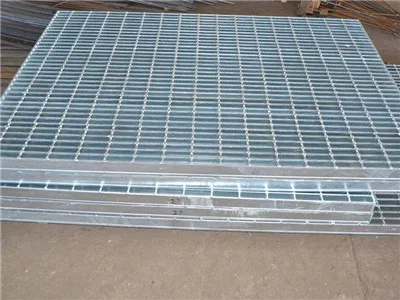
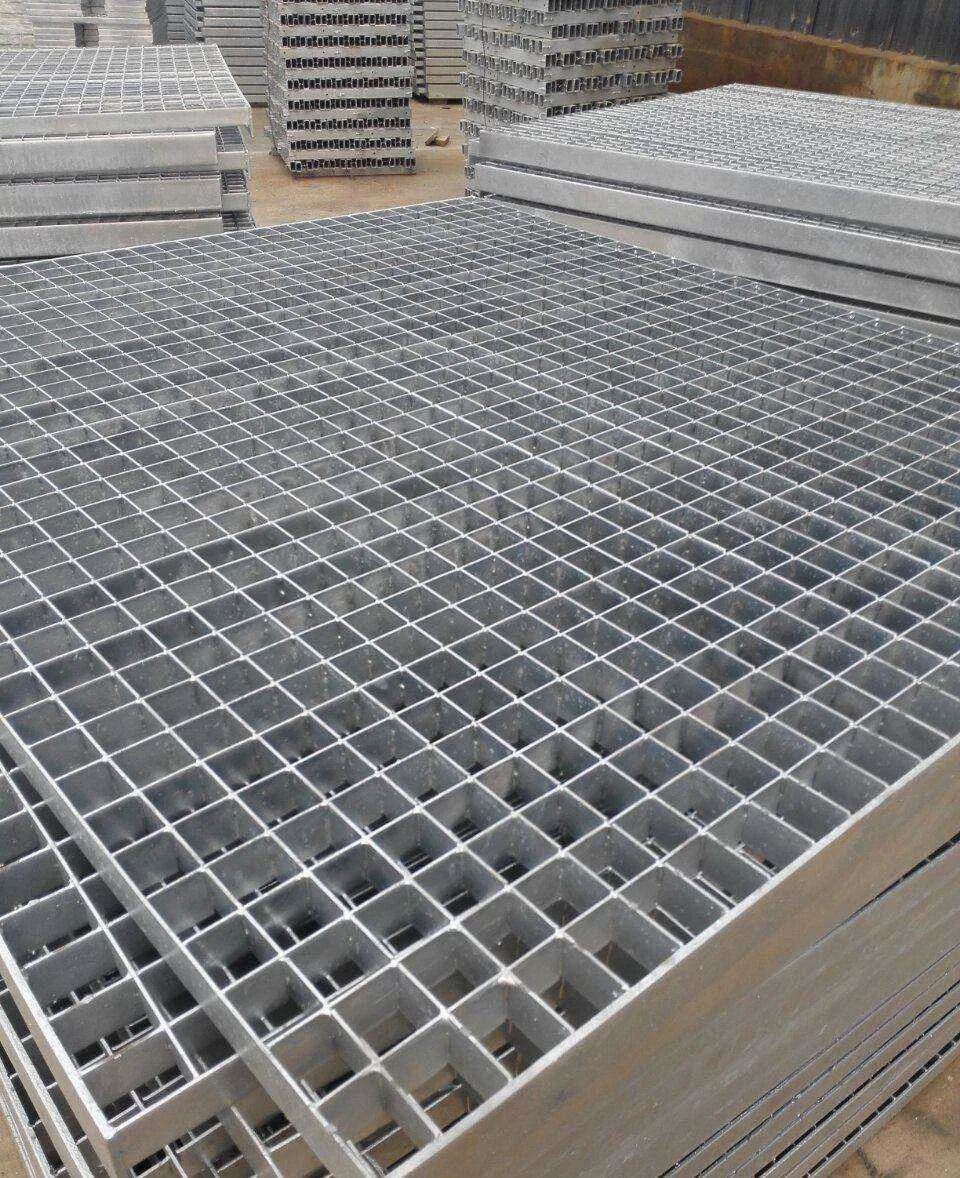
How Is Galvanized Steel Grating Priced?
The main factors affecting quotation are as follows:
Galvanized steel grating can be calculated either by weight or by area. Differences in openings, cut-outs and surface treatment cause the actual weight to differ from the theoretical weight. In delivery settlement for steel grating, the theoretical weight is used uniformly as the basis of calculation.
Wt=(b1t1N1+b2t2N2+2b3t3)ρ?×10-6
Wt - weight of the steel grating, in kilograms per square meter (kg/m2);
t1 - width of the flat bearing bar, in millimetres (mm);
b1 - thickness of the flat bearing bar, in millimetres (mm);
N1 - number of flat bearing bars per meter of grating;
t2 - width of the cross bar, in millimetres (mm);
b2 - thickness of the cross bar, in millimetres (mm);
N2 - number of cross bars per meter of grating;
t3 - width of the edge-banding flat bar, in millimetres (mm);
b3 - thickness of the edge-banding flat bar, in millimetres (mm);
rho - material density, in kilograms per cubic meter (kg/m3);
The steel density is calculated as 7850kg/m3;
? - weight gain factor for surface treatment;
Confirm the above items before requesting a quote; the quotation will be more accurate and back-and-forth communication reduced.
The details most often overlooked in a specification table are tolerances and end treatment. Galvanized steel grating usually leaves a machining allowance along the length; for recessed installation, edge sealing and corner cutting requirements must be stated in advance. Hot-dip galvanized steel grating is handled similarly in such details, so mark them clearly on the drawings.
Hot-dip galvanizing weight gain is calculated at 1.06.
Common materials and surface treatments are as follows:
Once material and surface treatment are decided, we recommend writing zinc coating thickness and appearance requirements into the technical agreement.
Material and surface treatment determine how galvanized steel grating performs on site. For the same steel grating, the treatment for a dry indoor setting differs greatly from that for a coastal or chemical environment, so the service environment should be stated as the primary condition during selection. The same holds true for hot-dip galvanized steel grating.
Further reading: Sizing reference for hot-dip galvanized steel grating and hot-dip galvanized steel grating
Hot-dip galvanized steel grating and hot-dip galvanized steel grating are different specification forms within the same product system. The selection logic is the same as described in this article: first the usage type, then span and load to determine specifications, and finally the environment to determine surface treatment. Their corrosion protection and anti-slip requirements may differ; state them separately when ordering rather than writing one general technical requirement.
- For all product specifications and theoretical weights by series, visit Steel Grating Product Center
- To estimate cost by size and quantity, use Instant Quote PageSubmit Requirements
- To see how similar projects were executed, refer to Project Cases field applications
FAQ
What is most often overlooked during installation and acceptance?
First, bearing bars installed in the wrong direction reduce load capacity; second, insufficient fixing points or missing zinc touch-up paint; third, support beam spacing inconsistent with the layout drawing. These three items are most often overlooked on site.
Where can I find specific specifications?
our websiteProductsCommon specifications and theoretical weights are organized by series, also available in Instant Quote PageEstimate by size, or contact us directly for sizing advice.
Can the values in the article be applied directly?
Values in this article come from relevant standard clauses or common industry practice. For actual selection, recalculate based on site span, load class and service environment; direct copying is not recommended.
The above is for sizing and construction reference. To verify specific parameters or request a quotation, please visitInstant Quote Page, or contact our technical staff.
The above is general guidance. For a specific project, we still recommend submitting span, load class and service environment to our technicians for review. Steel grating is a load-bearing component; rework caused by wrong specification choices costs far more than the time spent on upfront calculation.