
On galvanized steel grating for the petrochemical industry, this article explains specifications, common models and sizes, and basic concepts, with practical, actionable checks rather than theory alone. If you have drawings or site dimensions at hand, verify them point by point; the same sequence also applies to hot-dip galvanized steel grating.
Galvanized Steel Grating Specifications
Common specifications and corresponding parameters are summarized below; confirm each item before ordering:
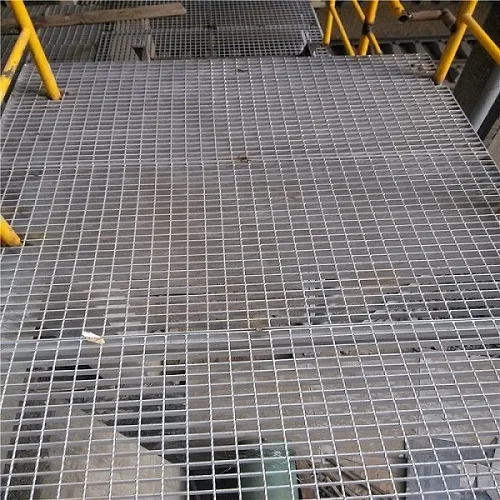
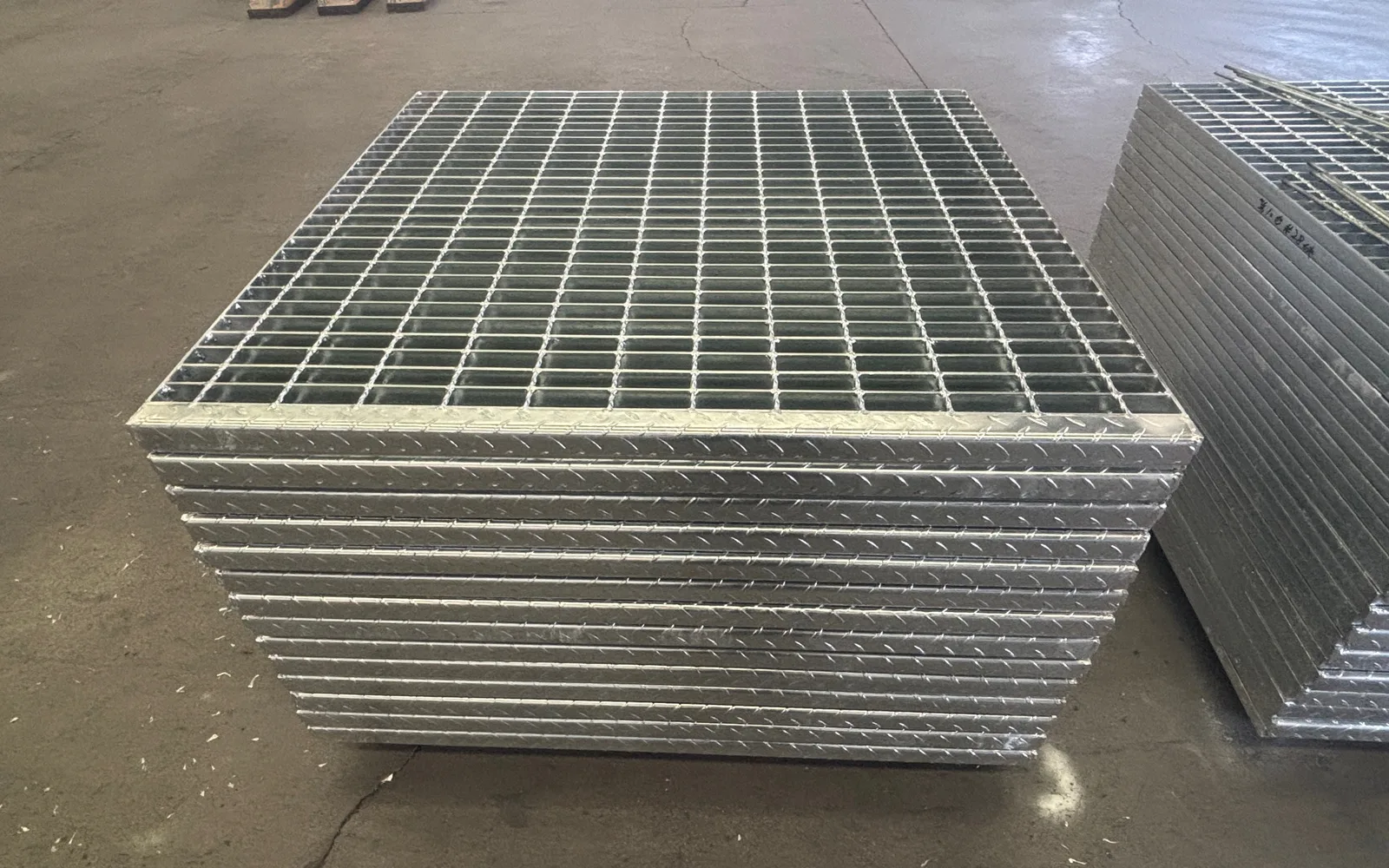
What are the technical requirements for galvanized steel grating in the petrochemical industry? Material requirements: load-bearing bars, cross bars and edge banding are generally made of carbon structural steel or stainless steel. The mechanical properties and chemical composition of carbon structural steel shall comply with the relevant provisions for Q-A in GB/T700-988; those of stainless steel shall satisfy the specified material in GB0-99. Layout requirements: the manufacturer shall plan the grating layout based on the drawing of structural members and openings on the steel platform. The manufacturer's layout drawing shall follow the designer's intent and be approved by the design organization before production begins.
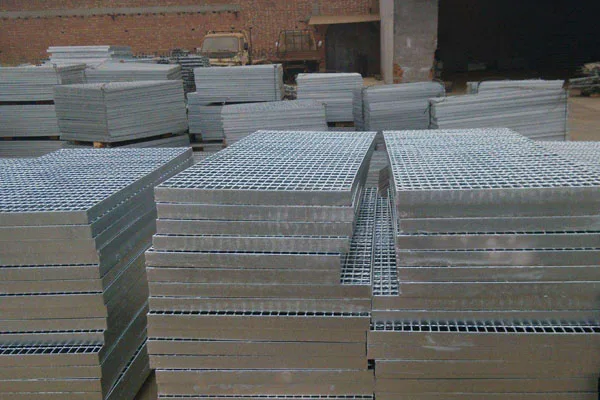
The above are common specifications; actual ordered dimensions and tolerance requirements shall be confirmed against the layout drawing.
Bigger specifications are not always better. Selection of galvanized steel grating for the petrochemical industry should be as economical as possible while still meeting load requirements; over-thickening adds dead weight and cost and complicates installation. The product page has a fuller comparison for galvanized bar grating - consult it before deciding.
Common Models and Sizes of Galvanized Steel Grating
Common specifications and corresponding parameters are summarized below; confirm each item before ordering:
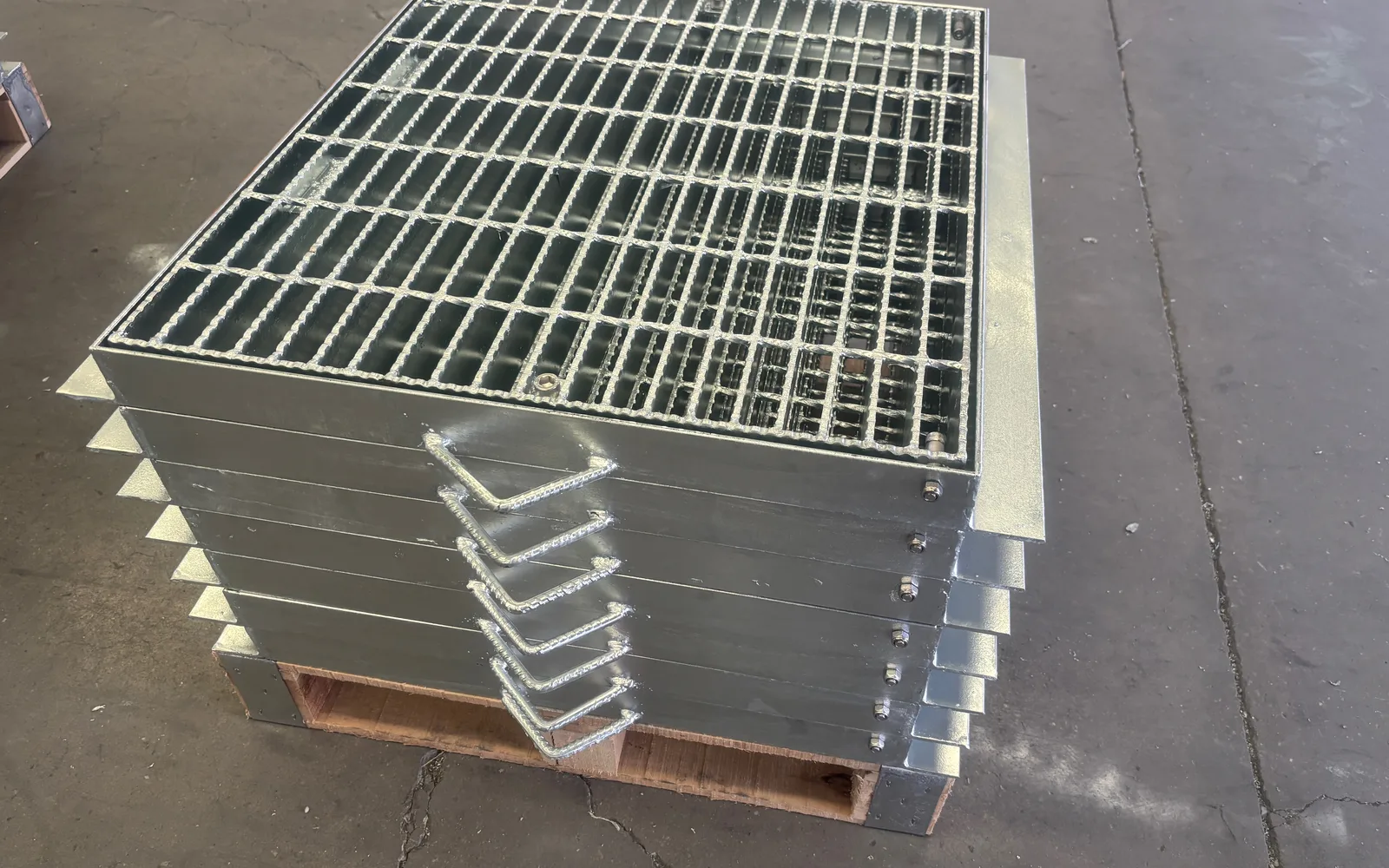
Edge banding uses a single-sided fillet weld with a leg height not less than the thickness of the load-bearing bar, and the weld length shall not be less than the required multiple of the load-bearing bar thickness. Where the banding plate carries no load, welding at intervals to the load-bearing bars is permitted, but the spacing shall not exceed 80mm; where the banding plate does carry load, it shall be fully welded to the load-bearing bars and intermittent welding is not permitted.
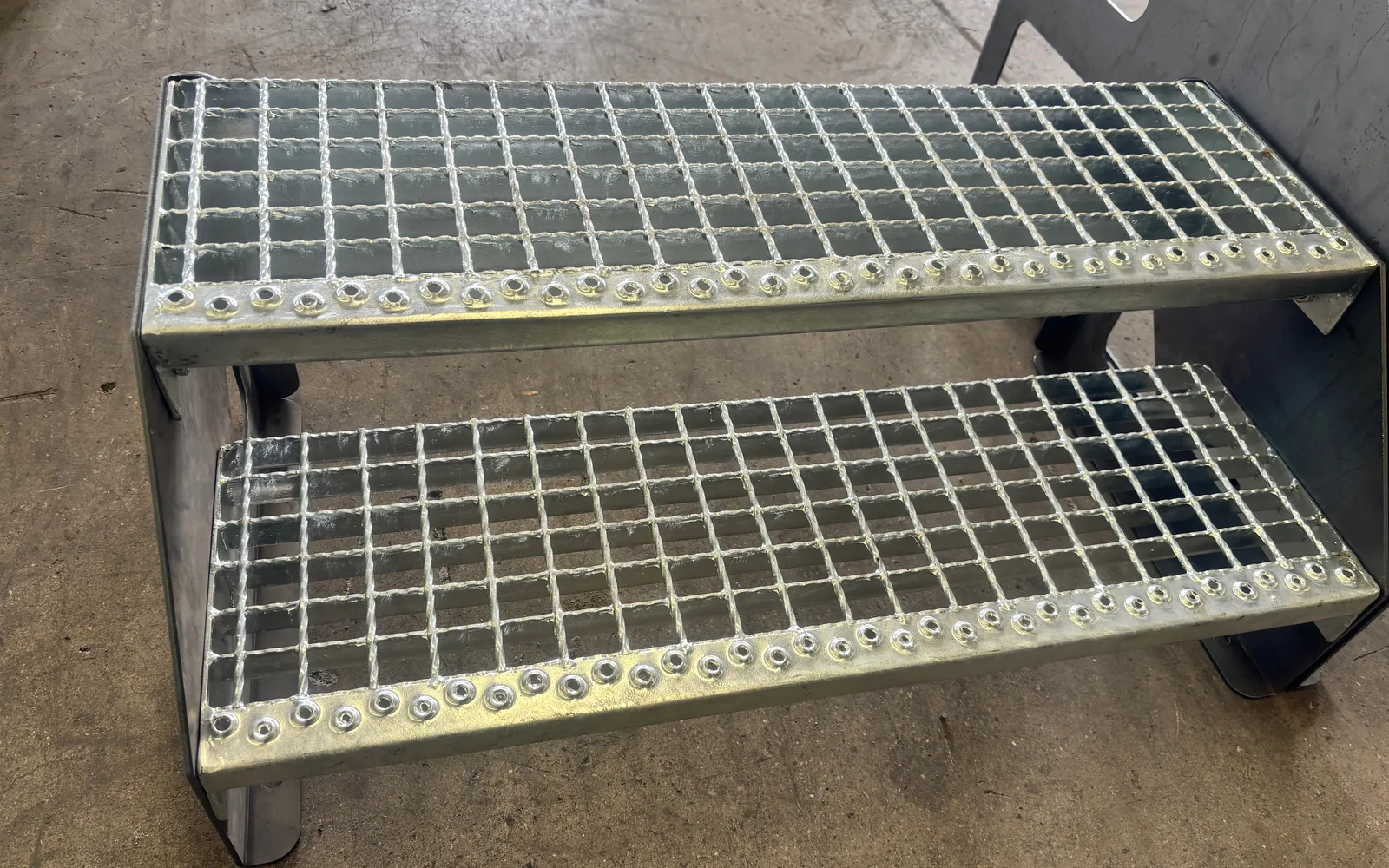
Manufacturing requirements: steel grating shall be made by pressure resistance welding, with cross bars pressed into the load-bearing bars by a press. Edge banding plates running parallel to the bearing bars shall be welded to every cross bar. The end plates of stair treads shall be fully welded on one side. At the ends of the bearing bars, edge banding shall generally use flat bars or sections of the same specification as the bearing bars. If a stair tread has a front edge protective plate, it shall run across the full tread.
The above are common specifications; actual ordered dimensions and tolerance requirements shall be confirmed against the layout drawing.
A practical tip for confirming specifications: put the bearing bar size, bearing bar pitch, cross bar pitch and overall dimensions in the purchase list together - listing only one or two often leads to a delivery mismatch. The full specification notation for petrochemical galvanized steel grating is on the product page; before ordering, number each panel against the layout drawing. The same applies to hot-dip galvanized steel grating.
Further reading: Selection points for hot-dip galvanized steel grating and galvanized grating
In engineering, galvanized grating is often used together with the components mentioned in this article. The two differ in load carrying and installation practices; when combining them, pay special attention to the connection of support conditions and fixing methods, as junction treatment is often where problems arise. For unified drawings, submit dimensions of both types and our technicians will process them under the same layout logic.
- For all product specifications and theoretical weights by series, visit Steel Grating Product Center
- To estimate cost by size and quantity, use Instant Quote PageSubmit Requirements
- To see how similar projects were executed, refer to Project Cases field applications
FAQ
What maintenance is required during daily use?
Maintenance mainly involves periodically checking whether fasteners are loose, whether touch-up paint has peeled off, and whether the panel surface shows obvious deformation or rust. Issues found should be dealt with promptly; overall maintenance is minimal.
How to choose between hot-dip galvanizing and cold galvanizing?
The two anti-corrosion mechanisms differ: hot-dip galvanizing immerses steel in molten zinc to form a metallurgically bonded coating, thick and long-lasting, suitable for outdoor and humid environments; cold galvanizing is electrochemical deposition with a thinner, more uniform appearance, suitable for dry indoor environments or applications requiring high dimensional precision.
What is most often overlooked during installation and acceptance?
First, bearing bars installed in the wrong direction reduce load capacity; second, insufficient fixing points or missing zinc touch-up paint; third, support beam spacing inconsistent with the layout drawing. These three items are most often overlooked on site.
The above is for sizing and construction reference. To verify specific parameters or request a quotation, please visitInstant Quote Page, or contact our technical staff.
If you already have drawings or site dimensions, submit them directly and we will help verify specifications and layout, avoiding on-site cutting and rework caused by mismatched models. Without drawings, site photos and approximate dimensions are enough for an estimate.