
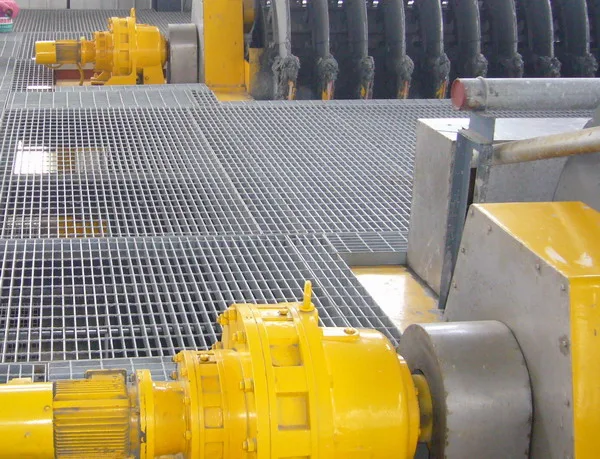
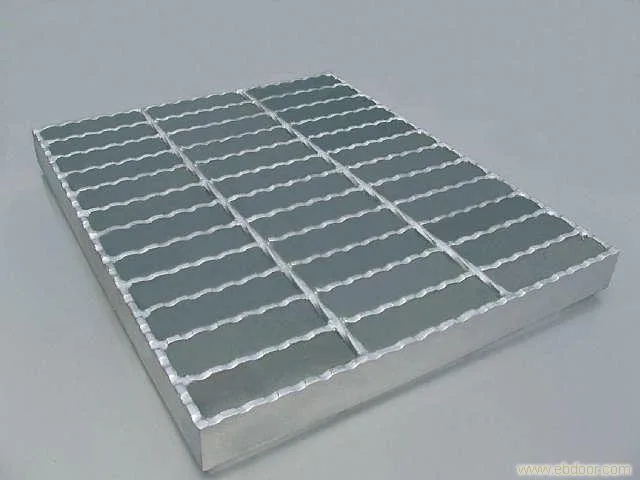
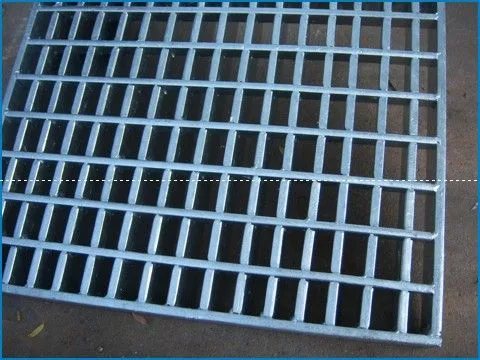
This article presents hot-dip galvanized steel grating in order - installation and construction points, basic concepts and general concepts - with actionable checks in each part. If you only need a quick answer, read the opening point of each section; the same method applies to hot-dip galvanized steel grating.
Installation and Construction Points for Hot-Dip Galvanized Steel Grating
On-site construction generally follows the steps and technical requirements below; complete the technical disclosure before starting work:
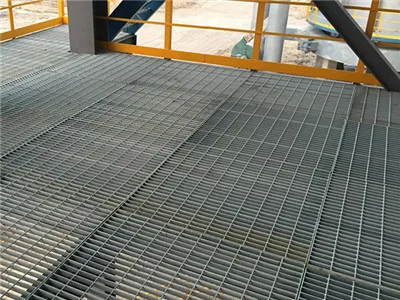
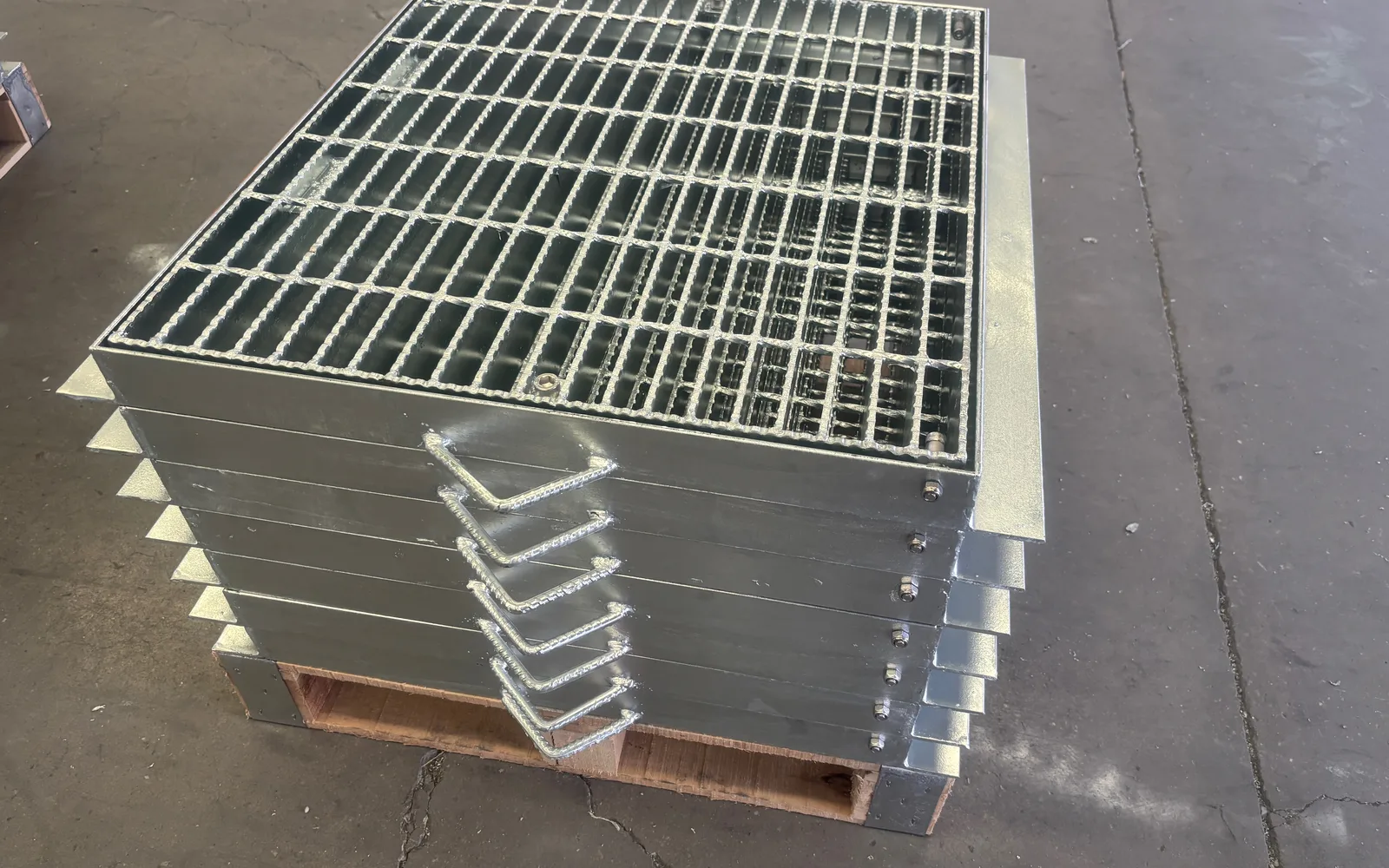
Steel grating fixing methods: welding or fastening with installation clips. Welding gives permanent fixation that will not work loose; clips do not damage the hot-dip galvanized layer and are easy to remove. The safest method is to omit the lower clip and weld the screw head directly upside-down to the beam, ensuring the grating cannot slide off the beam if a clip loosens.
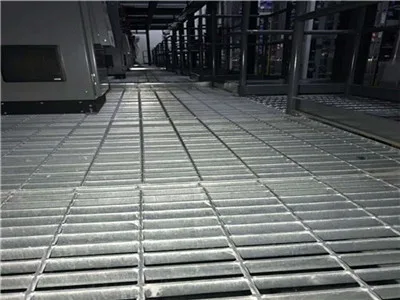
After installation, check each panel's fixing points and flatness; put into use only after confirming no warping or looseness.
Do not simply chase higher grades when choosing material. The material of hot-dip galvanized steel grating should match the load requirements and service environment; over-specifying adds unnecessary cost. The corresponding treatment for hot-dip galvanized steel grating can be found on the product page - select according to actual working conditions.
Basic Concepts of Hot-Dip Galvanized Steel Grating
Below we first briefly explain the relevant concepts and basic construction to make the following parameters and sizing content easier to understand.
If steel grating is exposed to air or submerged for a long time without effective protection, its surface will rust. Especially due to water level changes, grating often sits in alternating wet-dry environments, and various chemical media in air or water further promote electrochemical action. Meanwhile, as water is the corrosive medium, corrosion accelerates with higher flow velocity and temperature. Thus the working environment of the grating makes its rusting more severe. Damage from metal corrosion degrades the component material in appearance, color and performance, affecting normal use.
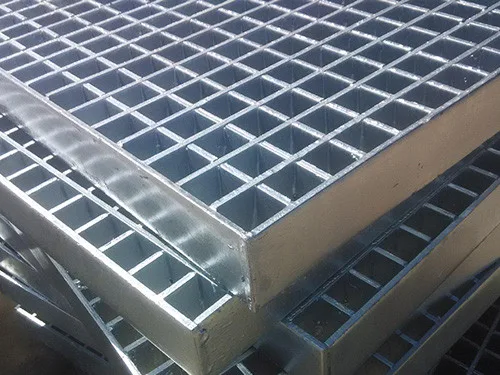
The anti-slip layer is bonded to the surface of the steel grating metal plate by a primer layer and consists of a sand grain layer. Sand is a widely available, low-cost material, so using it as the anti-slip medium greatly reduces production cost. At the same time, coating many sand grains onto the metal surface increases surface roughness, and the difference in grain size between particles creates the anti-slip function, so the slip resistance is good. The sand layer uses 60 ~ 120 mesh quartz sand. Quartz sand is a hard, wear-resistant, chemically stable silicate mineral that greatly improves the anti-slip performance of steel grating. Quartz sand in this particle size range gives good slip resistance and is comfortable underfoot; its uniform grain size also improves the appearance of the grating surface.
Once you grasp these basic concepts, the specifications and sizing recommendations that follow will be much easier to understand.
A practical tip for confirming specifications: put the bearing bar size, bearing bar pitch, cross bar pitch and overall dimensions in the purchase list together - listing only one or two often leads to a delivery mismatch. The full specification notation for hot-dip galvanized steel grating is on the product page; before ordering, number each panel against the layout drawing. The same applies to hot-dip galvanized steel grating.
Further Reading: Selection Reference for Hot-Dip Galvanized Steel Grating
Hot-dip galvanized steel grating and hot-dip galvanized steel bar grating are different specification forms within the same product system, and the selection logic matches what is described here: first consider the nature of use, then fix the specification by span and load, and finally choose the surface treatment by environment. The two may differ in corrosion and slip-resistance requirements, so specify them separately before ordering rather than lumping them under one generic technical requirement.
- For all product specifications and theoretical weights by series, visit Steel Grating Product Center
- To estimate cost by size and quantity, use Instant Quote PageSubmit Requirements
- To see how similar projects were executed, refer to Project Cases field applications
FAQ
Why do different manufacturers quote different weights for the same specifications?
The main difference lies in the actual measured thickness and tolerance control of the bearing bars. When bars are supplied at the lower tolerance limit, weight per unit area falls below the theoretical value, and load capacity drops accordingly. We recommend specifying thickness tolerance clearly when purchasing.
What information is needed for custom sizes?
Usually you need to provide the panel dimensions (length x width), bearing bar specs and direction, center-to-center pitch of bearing bars and cross bars, surface treatment, and special requirements such as cutouts, corner notches and banding. Site photos or sketches are even better.
How to choose between hot-dip galvanizing and cold galvanizing?
The two anti-corrosion mechanisms differ: hot-dip galvanizing immerses steel in molten zinc to form a metallurgically bonded coating, thick and long-lasting, suitable for outdoor and humid environments; cold galvanizing is electrochemical deposition with a thinner, more uniform appearance, suitable for dry indoor environments or applications requiring high dimensional precision.
The above is for sizing and construction reference. To verify specific parameters or request a quotation, please visitInstant Quote Page, or contact our technical staff.
The above is general guidance. For a specific project, we still recommend submitting span, load class and service environment to our technicians for review. Steel grating is a load-bearing component; rework caused by wrong specification choices costs far more than the time spent on upfront calculation.