







Steel grating is not complicated in practical engineering; the difficulty lies in matching specifications, material and service environment. This article covers, in order, the specifications, basic concepts and common models and sizes of common steel grating terms, giving you a complete approach to evaluating steel stair treads.
Specifications of Common Steel Grating Terms
Common specifications and corresponding parameters are summarized below; confirm each item before ordering:
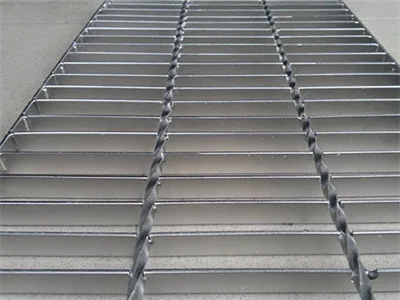
Bearing flat bar: the main material of steel grating, a uniform rolled flat bar used to carry loads, with both ends resting on steel beams.
Cross bar: a twisted square bar of square cross-section welded at right angles onto the bearing flat bars to fix them.
Binding bar (edge bar): a flat bar with the same cross-section as the bearing flat bars, welded to their ends; this edge bar is used to close edges at binding or notching.
Length: the overall dimension measured parallel to the bearing flat bars; even if shorter than the "width", it is always called length.
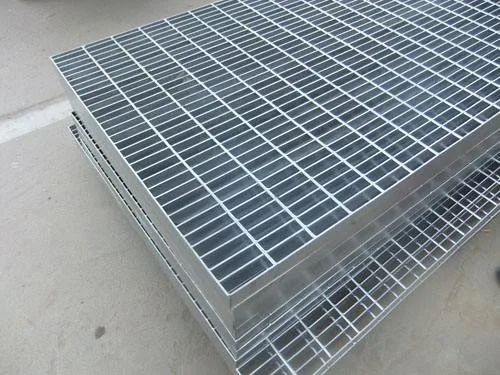
The above are common specifications; actual ordered dimensions and tolerance requirements shall be confirmed against the layout drawing.
Actual parameters of the same model may vary slightly between manufacturers; acceptance shall be based on measured values. Spot checks of key dimensions of steel grating are recommended, especially for bulk deliveries. Steel stair tread parameters can be checked the same way, and any deviation should be communicated promptly.
Basic Concepts of Common Steel Grating Terms
Below we first briefly explain the relevant concepts and basic construction to make the following parameters and sizing content easier to understand.
Width: the dimension of the steel grating measured parallel to the cross bars by Xiaodi Steel Grating Factory; even if longer than the "length", it is always called width.
Once you grasp these basic concepts, the specifications and sizing recommendations that follow will be much easier to understand.
Bigger specifications are not always better. The selection of steel grating should be as economical as possible while meeting load requirements; excessive thickening increases self-weight and cost and complicates installation. The product page provides more complete reference for steel stair treads; refer to it before making a decision.
Common Models and Sizes of Common Steel Grating Terms
Serrated bearing bars: small semi-circular notches stamped along the flat bars to further enhance anti-slip performance.
A practical tip for specification confirmation: write all four items - bearing bar specs, bearing bar center pitch, cross bar pitch and overall dimensions - into the purchase list; specifying only one or two often leads to mismatched deliveries. The specification notation of steel grating is fully mapped on the product page; number and check each panel against the layout drawing before ordering, and the same applies to welded steel grating.
Installation and Fixing Method
Nosing plate: welded to the front edge of the stair tread or stairway entrance to enhance anti-slip performance.
The installation quality of steel grating depends largely on preparation: whether the supporting surface is flat, whether beam spacing matches the layout, and whether fasteners are prepared in advance. With these in place, installation itself is not complicated. If on-site cutting is needed, the cut-edge treatment requirements for steel stair treads should also be clearly stated.
Key Points Related to Common Steel Grating Terms
Kick plate (toe plate): 100MM higher than the binding bar, welded to required edges or openings of the grating to prevent people or objects from falling; its height can be specified by the user.
Openings or notches: parts cut out of the grating to allow pipes, equipment, columns or railings to pass through, or to avoid obstacles.
Net area: the area excluding openings and notches.
This section covers common practice for steel grating in most projects. If your site conditions are special - corrosive media, large temperature differences or frequent disassembly - the treatment should be adjusted accordingly. Steel stair treads under such conditions also need separate confirmation; consult with site photos before deciding.
Common Models and Sizes of Common Steel Grating Terms (continued)
Gross area: the area calculated from the maximum overall dimensions of the grating (w X l), including openings and notches. Contract area is calculated by gross area.
The most easily overlooked items in a specification table are tolerances and end treatment. The length direction of steel grating usually retains machining allowance; if site installation is recessed, edge closing and corner-cutting requirements should be stated in advance. Steel stair treads are handled similarly in such details; mark them clearly on the drawings.
Further Notes: How to Combine Steel Stair Treads with Welded Steel Grating
In engineering, welded steel grating is often used together with the components described in this article. The two differ in load-bearing and installation practices; when combining them, pay special attention to the connection of support conditions and fixing methods - junction handling is where problems most often occur. For unified drawings, submit dimensions of both types so technicians can process them under the same layout logic.
- For all product specifications and theoretical weights by series, visit Steel Grating Product Center
- To estimate cost by size and quantity, use Instant Quote PageSubmit Requirements
- To see how similar projects were executed, refer to Project Cases field applications
FAQ
Where can I find specific specifications?
our websiteProductsCommon specifications and theoretical weights are organized by series, also available in Instant Quote PageEstimate by size, or contact us directly for sizing advice.
What is most often overlooked during installation and acceptance?
First, bearing bars installed in the wrong direction reduce load capacity; second, insufficient fixing points or missing zinc touch-up paint; third, support beam spacing inconsistent with the layout drawing. These three items are most often overlooked on site.
Why do different manufacturers quote different weights for the same specifications?
The main difference lies in the actual measured thickness and tolerance control of the bearing bars. When bars are supplied at the lower tolerance limit, weight per unit area falls below the theoretical value, and load capacity drops accordingly. We recommend specifying thickness tolerance clearly when purchasing.
The above is for sizing and construction reference. To verify specific parameters or request a quotation, please visitInstant Quote Page, or contact our technical staff.
If you already have drawings or site dimensions, submit them directly and we will help verify specifications and layout, avoiding on-site cutting and rework caused by mismatched models. Without drawings, site photos and approximate dimensions are enough for an estimate.