







This article focuses on stainless steel grating and introduces, in order, damage caused by load changes and long-term use, cracking and warping of members or connections under temperature effects, and basic concepts, with practical advice added after each section. If you are comparing options or preparing a purchase, you can check the items one by one in the order given. The parts concerning hot-dip galvanized steel grating can also be cross-checked against the entries here, and any points that conflict with site conditions should be adjusted accordingly.
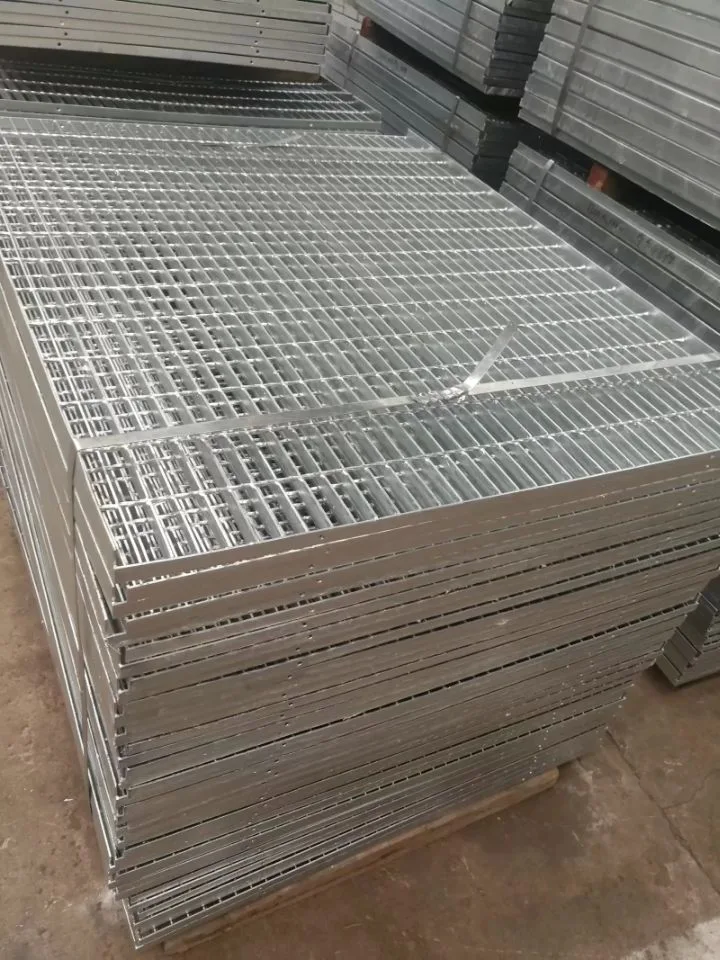
What are the causes of damage to stainless steel grating?
1. Load changes and long-term use alter the grating specifications, resulting in insufficient structural load capacity;
The standards and inspection items to check are as follows:
2. Accidental deformation, twisting, or denting of the grating weakens member sections, warps bars, and cracks connections;
We recommend checking each clause above during acceptance and keeping the factory inspection records.
After installation, a full inspection is recommended: check for panel warping, missing fasteners, and noticeable height differences between adjacent panels. Such issues with stainless steel grating are cheapest to fix at the acceptance stage, while rework after commissioning is far more troublesome. The acceptance points for hot-dip galvanized steel grating can follow the same standard.
3. Temperature differences cause cracking and warping of members or connections;
The following aspects most need to be confirmed in advance in actual procurement and use:
4. Chemical corrosion and electrochemical corrosion weaken the grating member sections, so a suitable surface treatment is recommended;
5. Others include mistakes in layout planning, production processes, and installation of stainless steel grating, as well as improper use and operation.
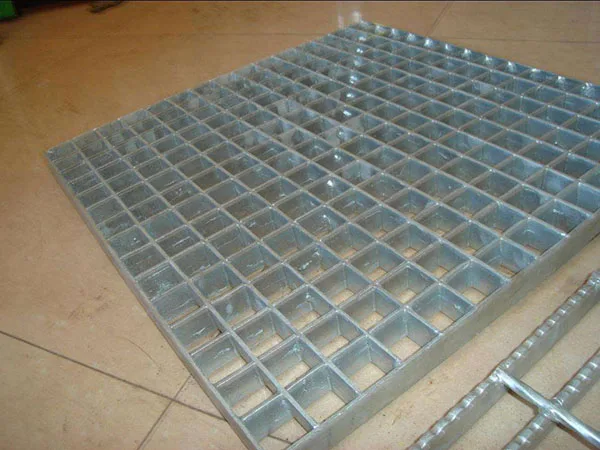
After long-term use, some damage is inevitable. To keep stainless steel grating as intact as possible, regular protection should be carried out. Protection of outdoor stainless steel grating generally covers rust, corrosion, and fire prevention. Anti-rust paint has a limited service life, while galvanizing is better, especially when steel members are enclosed and cannot be maintained.
The above points can serve as a pre-purchase checklist; confirm each item before moving to the quotation stage.
Choosing a surface treatment is essentially a trade-off between initial investment and later maintenance. Requirements for stainless steel grating in dry indoor environments can be relaxed somewhat, while outdoor or humid environments call for a higher grade. The selection of hot-dip galvanized steel grating can be judged in the same way.
Further reading: Selection points for hot-dip galvanized steel grating and hot-dip galvanized steel grating
In engineering, hot-dip galvanized steel grating is often used together with the components mentioned in this article. The two differ in load carrying and installation practices; when combining them, pay special attention to the connection of support conditions and fixing methods, as junction treatment is often where problems arise. For unified drawings, submit dimensions of both types and our technicians will process them under the same layout logic.
- For all product specifications and theoretical weights by series, visit Steel Grating Product Center
- To estimate cost by size and quantity, use Instant Quote PageSubmit Requirements
- To see how similar projects were executed, refer to Project Cases field applications
FAQ
Where can I find specific specifications?
our websiteProductsCommon specifications and theoretical weights are organized by series, also available in Instant Quote PageEstimate by size, or contact us directly for sizing advice.
Why do different manufacturers quote different weights for the same specifications?
The main difference lies in the actual measured thickness and tolerance control of the bearing bars. When bars are supplied at the lower tolerance limit, weight per unit area falls below the theoretical value, and load capacity drops accordingly. We recommend specifying thickness tolerance clearly when purchasing.
What maintenance is required during daily use?
Maintenance mainly involves periodically checking whether fasteners are loose, whether touch-up paint has peeled off, and whether the panel surface shows obvious deformation or rust. Issues found should be dealt with promptly; overall maintenance is minimal.
The above is for sizing and construction reference. To verify specific parameters or request a quotation, please visitInstant Quote Page, or contact our technical staff.
If you already have drawings or site dimensions, submit them directly and we will help verify specifications and layout, avoiding on-site cutting and rework caused by mismatched models. Without drawings, site photos and approximate dimensions are enough for an estimate.