







When purchasing steel grating, many projects focus only on price and overlook specification matching and corrosion protection requirements, which often leads to rework later. This article lists, in order, the typical application scenarios, the conditions to confirm during selection, and the basic concepts, and explains how to make trade-offs under common working conditions. The parts related to galvanized steel grating can be used directly as a reference for technical disclosure.
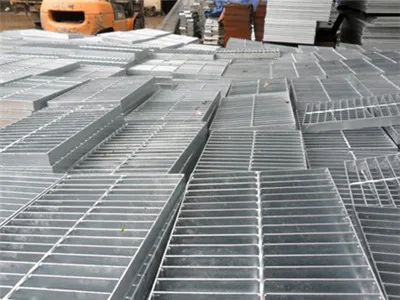
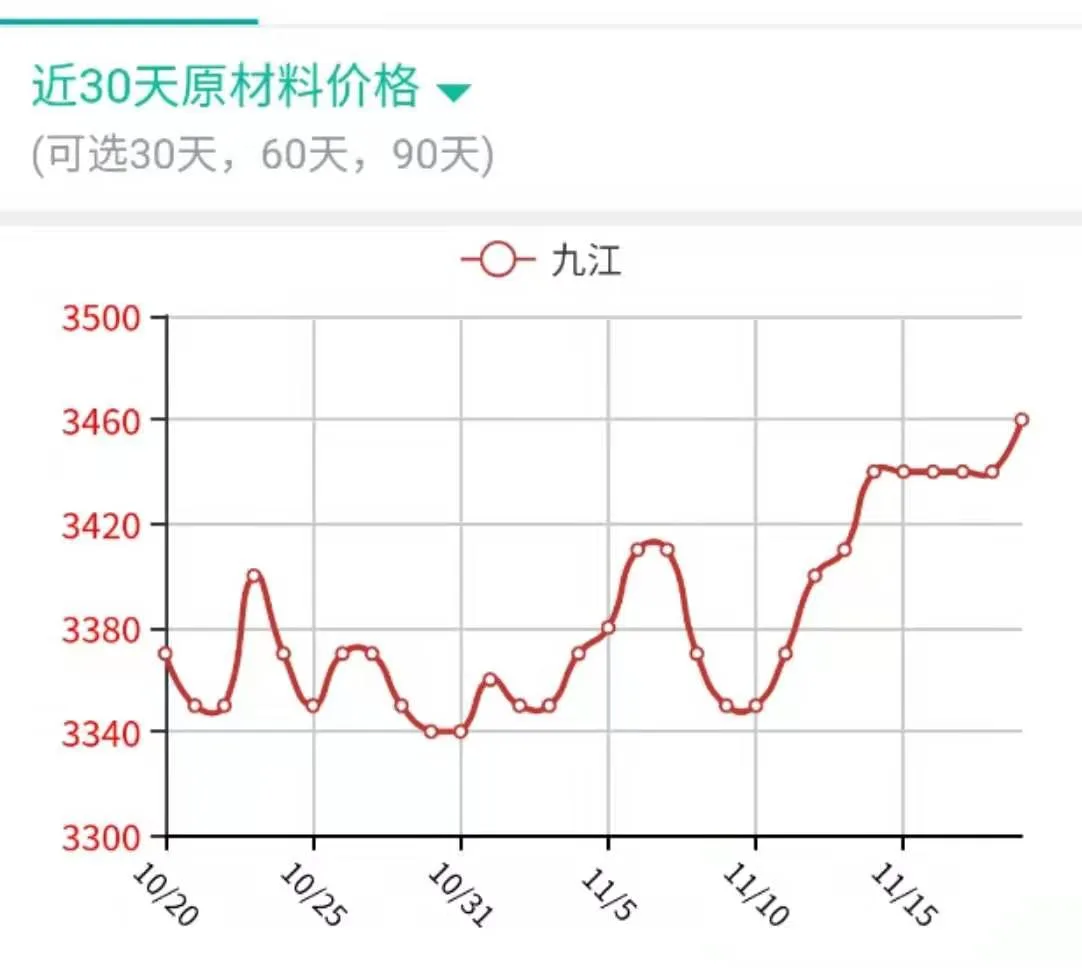
Wire rod and flat bar, the main raw materials for steel grating, have shown a slight upward price trend recently, but the increase is small and galvanizing prices remain stable, so steel grating prices are fairly stable. Buyers planning to order steel grating can order with confidence, and delivery can be completed on schedule.
Typical Applications
Main applications are as follows:
- Industrial Platforms & Maintenance Walkways: equipment platforms and inspection passages in power plants, chemical plants and steel-structure workshops;
- Municipal & Landscape: road drainage trench covers, rainwater grates, tree grates, park boardwalks;
- Transportation & Ports: wharf trestles, multi-story parking garage lanes, railway bridge walkways;
- Environmental & Water Treatment: walkways in wastewater treatment plants, tank platforms, screening machine platforms;
- Others: elevated tower platforms, stair treads, fences and railings, etc.
If your working conditions fall outside the above range, you can provide site photos and dimensions, and our technicians will help assess them.
Different applications have different priorities for steel grating: pedestrian walkways value anti-slip and comfort, vehicle areas value panel stiffness and fixing reliability, and drainage trench covers value open area and theft resistance. Clarify the usage type before looking at specifications to save detours; the same applies to galvanized grating.
Key Conditions to Confirm During Selection
We recommend confirming the following factors in order according to service conditions during selection:
- First clarify the span and support beam spacing to determine the required series;
- Then check load requirements by usage type (pedestrian, maintenance, vehicular);
- Finally, determine the surface treatment by service environment (dry indoor, outdoor, coastal, chemical).
Placing the order after confirming these items effectively avoids specification mismatch and on-site rework.
What is most easily overlooked in spec tables are tolerances and end treatment. Steel grating usually has machining allowance in the length direction; if embedded installation is used on site, edge closing and corner notch requirements must be stated in advance. Galvanized grating is handled similarly in these details; we recommend marking them clearly on the drawings as well.
Further reading: Sizing reference for galvanized grating and hot-dip galvanized steel grating
Besides what this article covers, galvanized grating is also common in actual projects. It shares similarities with this article's subject in structure and fabrication; for selection, check span, load and service environment in the same order. If both types of components are used in the same project, we recommend unifying material and surface treatment to avoid later galvanic corrosion or inconsistent appearance.
- For all product specifications and theoretical weights by series, visit Steel Grating Product Center
- To estimate cost by size and quantity, use Instant Quote PageSubmit Requirements
- To see how similar projects were executed, refer to Project Cases field applications
FAQ
Why do different manufacturers quote different weights for the same specifications?
The main difference lies in the actual measured thickness and tolerance control of the bearing bars. When bars are supplied at the lower tolerance limit, weight per unit area falls below the theoretical value, and load capacity drops accordingly. We recommend specifying thickness tolerance clearly when purchasing.
What information is needed for custom sizes?
Usually you need to provide the panel dimensions (length x width), bearing bar specs and direction, center-to-center pitch of bearing bars and cross bars, surface treatment, and special requirements such as cutouts, corner notches and banding. Site photos or sketches are even better.
Where can I find specific specifications?
our websiteProductsCommon specifications and theoretical weights are organized by series, also available in Instant Quote PageEstimate by size, or contact us directly for sizing advice.
The above is for sizing and construction reference. To verify specific parameters or request a quotation, please visitInstant Quote Page, or contact our technical staff.
If you already have drawings or site dimensions, submit them directly and we will help verify specifications and layout, avoiding on-site cutting and rework caused by mismatched models. Without drawings, site photos and approximate dimensions are enough for an estimate.